

SHARE THIS ARTICLE
Juvederm
Juvederm and Botox: Distinctions in Facial Aesthetic Treatments
Apr 18, 2024
A recent survey published in the New York Post revealed that 59% of the 2,000 respondents admitted they were uncomfortable with their skin. This discomfort has led many to seek confidence-boosting treatments like facial injections, which help them feel more positive and confident about their appearance.
Juvederm and Botox are two established options in facial aesthetics, but they address aging through different mechanisms. Juvéderm is a family of hyaluronic acid (HA) dermal fillers that can restore or add volume in specific areas, while Botox is a botulinum toxin type A neuromodulator that temporarily reduces targeted muscle activity. Their appropriate use depends on the patient’s anatomy, treatment goals, and the particular product or indication being considered.
This article explores how Juvederm and Botox work, compares their approaches to facial rejuvenation, and outlines factors practitioners may consider when selecting between these treatment modalities.
Key Takeaways
- Juvederm and Botox use fundamentally different mechanisms: Juvéderm provides volume through HA filler, while Botox temporarily reduces targeted muscle activity.
- Juvéderm can improve the appearance of selected wrinkles, folds, and areas of facial volume loss, depending on the formulation.
- Botox is primarily used for dynamic lines associated with muscle contraction and has established cosmetic and therapeutic indications.
- Longevity varies considerably between Juvéderm formulations and treatment areas; Botox effects also vary according to the product, dose, treated muscle, and individual response.
- Patient selection should consider facial anatomy, treatment goals, wrinkle type, medical history, previous procedures, and the specific product being used.
- A qualified healthcare professional should assess the patient and discuss expected benefits, limitations, adverse effects, and appropriate alternatives before treatment.
About: Trusted by over 2,000+ global clients since 2014, Direct Doctor Supply has become a leading supplier of cosmetic, skincare, and orthopedic products for medical and aesthetic professionals. Direct Doctor Supply offers a wide range of authentic brand-name products at competitive wholesale prices, sourced from around the world. If you’re looking to buy Juvederm wholesale, contact our sales team for guidance.
Mechanisms of Action of Juvederm and Botox
Dermal fillers and Botox are popular non-surgical treatments for reducing signs of aging. The hyaluronic acid in Juvederm fillers adds volume to the skin, plumps up areas, and smooths out wrinkles, especially around the mouth and nose.
This effect is achieved by drawing water to the injection site, providing long-lasting results. On the other hand, Botox blocks signals from the nerves to muscles, making them unable to contract, leading to fewer wrinkles. It’s a quick and effective treatment that targets facial muscles linked to expressions, smoothing out signs of aging caused by these movements.
Botox works on marionette lines and nasal folds. The effect lasts around 3-4 months, after which muscles gradually return to their usual activities. These treatments offer a way to refresh your appearance without surgery, providing a versatile solution for various facial areas needing a little boost.
Indications and Treatment Modalities
Specific Applications of Juvederm Fillers
Juvederm fillers, a popular choice for facial rejuvenation, offer a range of benefits.[1] This naturally occurring substance in the skin attracts and retains moisture, plumping and smoothing wrinkles like nasolabial folds and marionette lines. Juvederm comes in various formulations, each tailored to specific concerns.

Thinner fillers address delicate areas like lips and under-eyes, while thicker options provide lift and volume to cheeks and jawlines. Juvederm’s versatility extends beyond anti-aging. It can subtly enhance lips and define the chin, creating a more balanced and youthful facial profile. With its ability to address various aesthetic goals, Juvederm is a powerful tool for achieving a refreshed and radiant appearance.
Muscle Relaxing Effects of Botox
Botox is a popular cosmetic treatment that injects a particular substance into facial muscles to relax them temporarily. The therapy explicitly targets areas where muscle movements cause wrinkles and lines, aiming to make them look smoother and less noticeable. When injected, Botox stops the signals that make muscles contract too much, reducing wrinkles and fine lines.
The effects of Botox typically last up to four months before they begin to fade. Due to its effectiveness, many patients opt for repeat treatments to maintain their youthful appearance. However, it is essential to note that a qualified medical professional should always administer Botox in a safe and regulated environment.
Juvederm and Botox Patient Selection Criteria
When evaluating Juvederm and Botox, practitioners should first determine what is causing the patient’s aesthetic concern rather than selecting a product based solely on age or skin type. Important considerations include:

- Skin Type: Patients with thinner skin may benefit more from Juvederm fillers, while those with thicker skin may be best for Botox.
- Age: Younger patients may benefit more from Juvederm fillers, as they can add volume and fullness to areas that may have lost elasticity due to aging. Older patients may prefer Botox to address wrinkles that result from muscle movements.
- Desired Results: Patients looking for a more subtle improvement may prefer Juvederm, while those who want a more dramatic change may opt for Botox.
- Wrinkle Type: Botox may be more effective for dynamic wrinkles that appear due to muscle movements. At the same time, Juvederm may be better for static wrinkles (wrinkles that are present even when the face is at rest).
- Cost: Juvederm and Botox are both popular cosmetic treatments for wrinkles. Juvederm is more expensive but offers longer-lasting results for up to 12 months. Botox is less costly but requires regular injections.
It’s crucial to consult with a qualified healthcare professional to determine the best treatment option for you, considering your unique needs and goals. Some patients may benefit from combining both treatments, offering a comprehensive and refreshed look without surgery.
Injection Techniques
When seeking cosmetic procedures like Botox or Juvederm, choose an experienced doctor. For your safety and satisfaction, trained professionals will properly inject Juvederm fillers after cleaning and preparing your skin to prevent infection.

For an appropriate Juvederm injection technique, the practitioner should first assess the face at rest and during movement, identify the relevant anatomical structures, and select the formulation and injection plane according to the treatment objective. Filler should be introduced conservatively and reassessed throughout treatment rather than assuming that a larger volume will necessarily produce a better result.
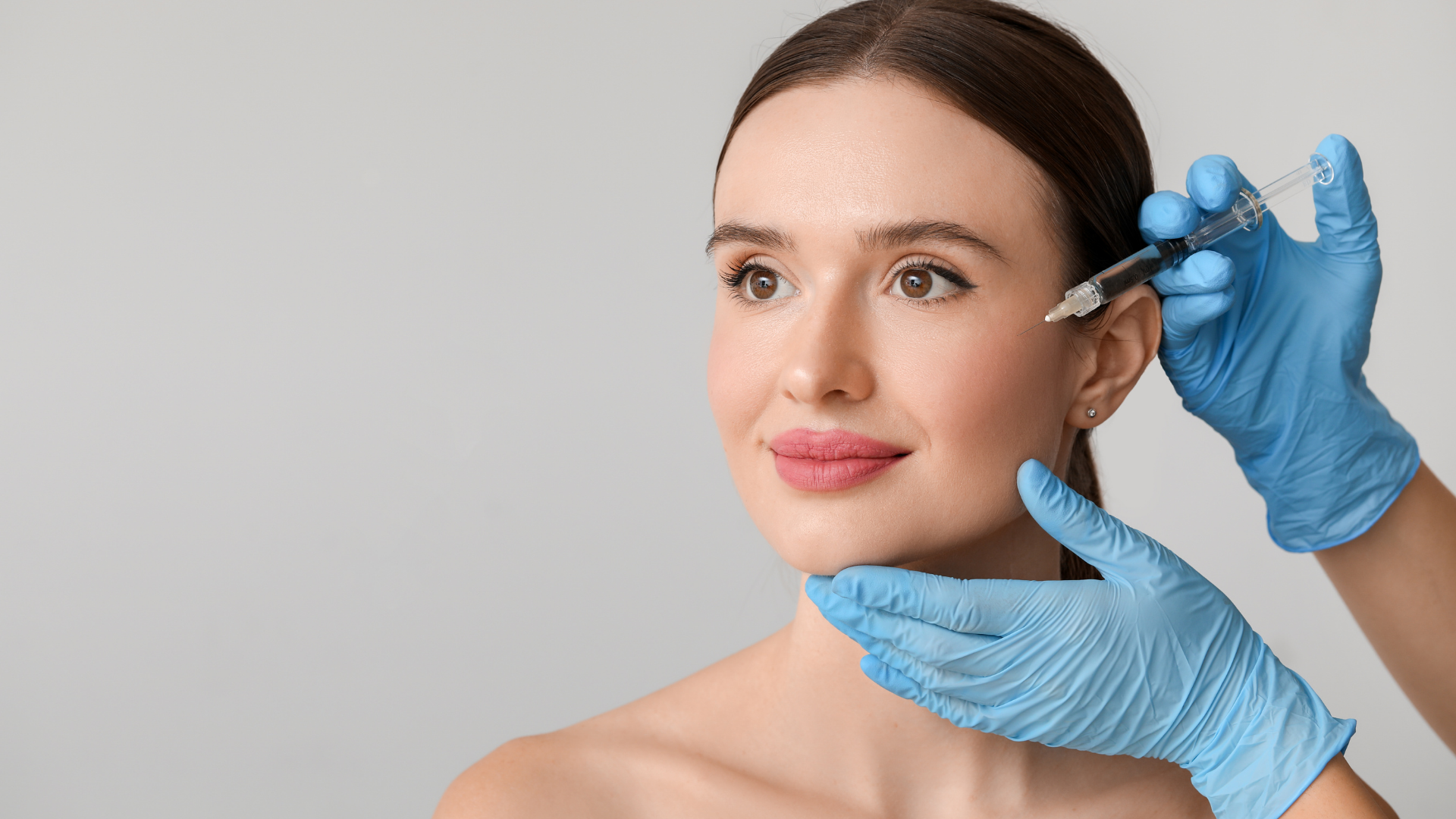
Aftercare is essential. Monitor swelling and bruising and avoid heavy exercise or extreme heat for 24 hours post-injection. Botox injections work by temporarily freezing muscles to reduce wrinkles. Doctors target specific facial muscles using a fine needle to achieve a natural look that retains movement while lowering lines.
With precise targeting, Botox can smooth out wrinkles without affecting facial expressions. With these guidelines and the help of the right doctor, you can achieve safe and satisfying results from cosmetic procedures like Juvederm fillers or Botox injections.
Potential Adverse Effects
Juvederm fillers and Botox have risks, so it’s important to discuss these risks with a qualified medical professional before deciding on a treatment. Telling your doctor about your allergies before the procedure is essential. This will help ensure the safety and effectiveness of the treatment.
Risks and Side Effects Associated with Juvederm Fillers
While effective for adding volume and minimizing wrinkles, Juvederm fillers have risks and side effects. Common issues include redness, swelling, and bruising at the injection site. These usually go away in a few days. Sometimes, people might get lumps or bumps under the skin. More severe reactions, like allergic responses or infection, could occur in rare cases.
Experts handle Juvederm injections carefully to reduce these risks. Still, patients must follow aftercare instructions closely to support a smooth recovery. It’s also crucial to discuss any concerns with a professional before deciding on Juvederm for marionette lines or nasolabial folds.
Potential Adverse Effects of Botox Treatment
It’s important to note that while Botox injections are generally safe, they can pose risks if administered incorrectly. That’s why it’s essential to receive Botox only from a trained and licensed medical professional with experience with the treatment.
In addition to the potential side effects, some people may experience flu-like symptoms, dry mouth, or difficulty swallowing. However, these are usually temporary and resolve within a few days. It’s also important to remember that Botox is not a permanent solution. The effects of the treatment typically last for three to six months, requiring repetition for continued results.
Overall, Botox can be a safe and effective treatment for reducing the appearance of wrinkles and fine lines. However, it’s crucial to weigh the potential risks and benefits and discuss them with a medical professional before deciding.
2026 Study Update
A narrative review in Anais Brasileiros de Dermatologia provides a broader look at complications associated with aesthetic botulinum toxin and dermal filler treatments, emphasizing that adverse effects can range from common, short-lived reactions to less frequent but more significant complications. For botulinum toxin, the review discusses pain, swelling, bruising, headache, and unwanted muscle weakness, while filler-related complications can include nodules, inflammatory reactions, vascular occlusion, and tissue injury.[2]
Furthermore, the authors stress that understanding facial anatomy, selecting appropriate products and doses, and using precise injection techniques are central to prevention and management. For Juvéderm and Botox treatments, the review reinforces that the two modalities have different mechanisms and complication profiles, so patient assessment and follow-up should be tailored to the treatment being performed rather than applying the same expectations to both.
Conclusion
Juvederm and Botox represent two different approaches to facial rejuvenation. Juvéderm is a family of HA dermal fillers that can restore or add volume in selected areas, while Botox temporarily reduces muscle activity to soften certain dynamic wrinkles.
Neither treatment is universally appropriate for every facial concern. The relevant choice depends on the patient’s anatomy, treatment objective, specific product, medical history, and clinical assessment. Understanding these distinctions allows practitioners to explain expected outcomes more accurately and develop treatment plans that reflect the patient’s individual needs.
FAQs
1. What’s the difference between Juvederm and Botox?
Botox relaxes muscles to reduce wrinkles, while Juvederm smoothens folds and lines with a gel. It’s like choosing between a massage or a soft pillow for your face.
2. Can you use Juvederm for areas other than lips?
Juvederm not only plumps up your lips, but it also works wonders on smile lines around your mouth. It’s like giving your face a little hug where it needs it most.
3. Is there any aftercare needed with Juvederm?
After getting Juvederm, treat your face gently for a while. Avoid extreme temperatures and skip the gym for 24 hours, which will help ensure that everything stays just right.
4. How does Juvederm compare to other fillers like Sculptra or Restylane?
Different fillers have different benefits. Sculptra works gradually over time, while Restylane is great for the delicate skin under the eyes. Juvederm adds volume instantly. Each has its unique advantages, depending on what you’re looking for.
Citations
[1] Cazzaniga, Alex, et al. “Long-term Efficacy, Safety and Durability of Juvéderm® XC.” Clinical Cosmetic and Investigational Dermatology, vol. 6, Aug. 2013, p. 183. https://doi.org/10.2147/ccid.s33568.
[2] Di Santis, Érico Pampado, et al. “Adverse Effects of the Aesthetic Use of Botulinum Toxin and Dermal Fillers on the Face: A Narrative Review.” Anais Brasileiros De Dermatologia, vol. 100, no. 1, Nov. 2024, pp. 87–103. https://doi.org/10.1016/j.abd.2024.04.007.
[3] Pinsky, M., et al. “Juvéderm Injectable Gel: A Multicenter, Double-blind, Randomized Study of Safety and Effectiveness.” Aesthetic Surgery Journal, vol. 28, no. 1, Jan. 2008, pp. 17–23. https://doi.org/10.1016/j.asj.2007.09.005.
Sourcing and accuracy for this article follow our Editorial policy: claims are cross-checked against clinical literature, regulatory filings, and manufacturer specifications before anything is published