Botulinum Toxin
Showing all 16 results
-
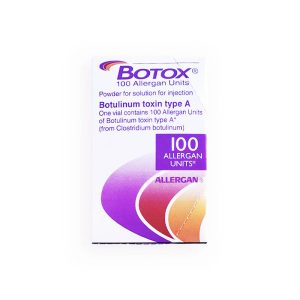

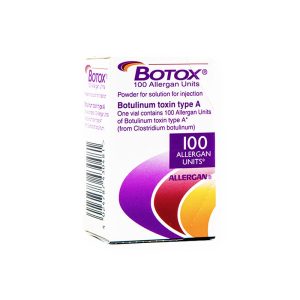
BOTOX® 100u
$ 439.00 Read More-+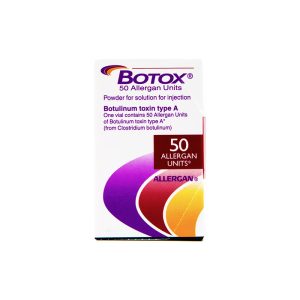
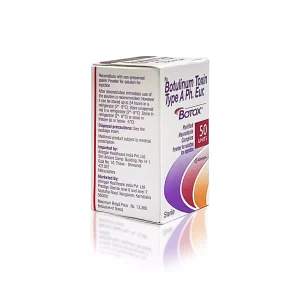
BOTOX® 50u
$ 359.00 Read More-+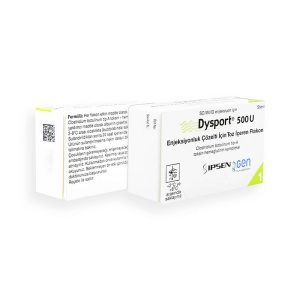
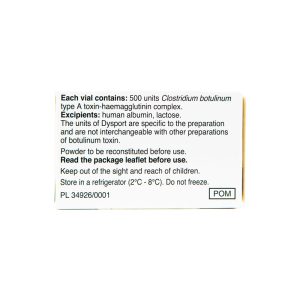
Dysport® 500U Non English
$ 419.00 Read More-+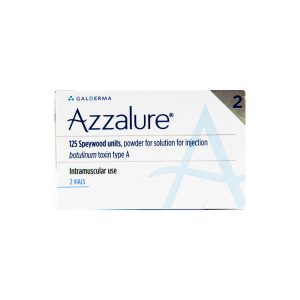
AZZALURE® 2 vials
$ 349.00 Read More-+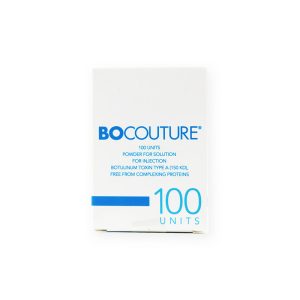
BOCOUTURE® 100u (XEOMIN®) 1 vial
$ 399.00 Read More-+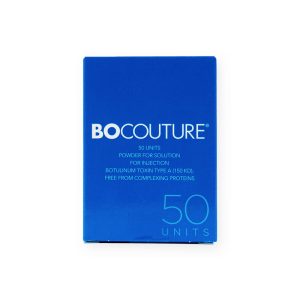
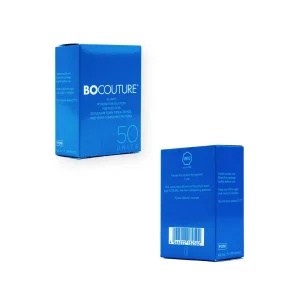
BOCOUTURE® 50u (XEOMIN®)
$ 219.00 Read More-+
BOCOUTURE® 50u (XEOMIN®) 2 vials
$ 359.00 Read More-+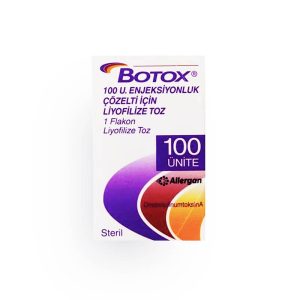
BOTOX® 100u (Non-English)
$ 419.00 Read More-+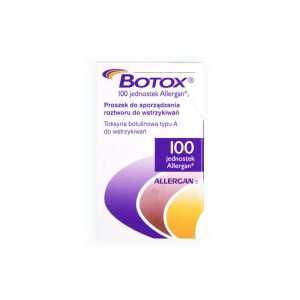
BOTOX® 100u (Polish)
$ 419.00 Read More-+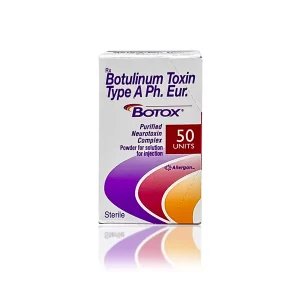
BOTOX® 50u (English Alternative)
$ 359.00 Read More-+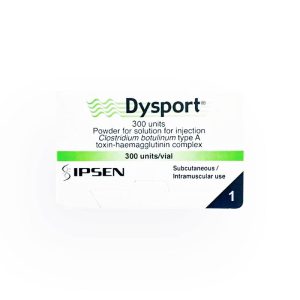
DYSPORT® 300u
$ 439.00 Read More-+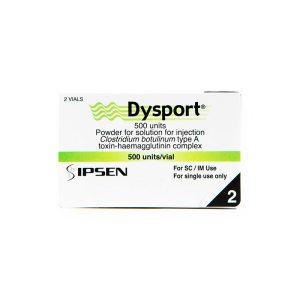
DYSPORT® 500u 2 vials
$ 1,049.00 Read More-+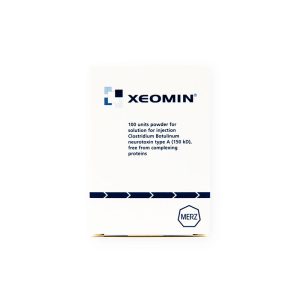
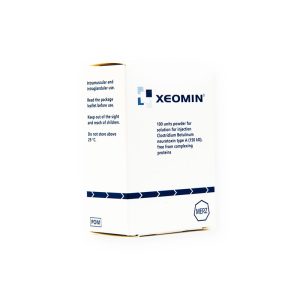
XEOMIN® 100u
$ 409.00 Read More-+XEOMIN® 100u (English Alternative)
$ 409.00 Read More-+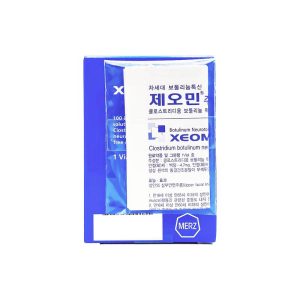
XEOMIN® 100u (English/Korean)
$ 389.00 Read More-+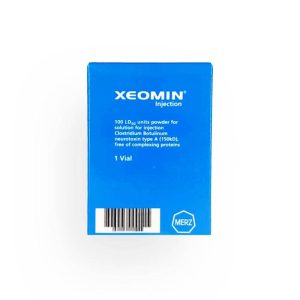
XEOMIN® 100u (Polish)
$ 389.00 Read More-+Botulinum toxin type A (BTX-A) is one of the most widely used injectables in both aesthetic medicine and several therapeutic specialties, with a clinical record spanning decades across neurology, dermatology, and aesthetic practice. Direct Doctor Supply features a curated selection of botulinum toxin products from established Western manufacturers and leading Korean pharmaceutical companies, designed to support licensed healthcare professionals in evaluating quality-verified products. For those looking to buy botulinum toxin online, the Direct Doctor Supply support team is available to provide guidance on product availability, documentation requirements, and sourcing options.
What Is Botulinum Toxin? Clinical Background and Mechanism of Action
Botulinum toxin is a purified neurotoxic protein derived from Clostridium botulinum that, in carefully controlled clinical doses, temporarily inhibits acetylcholine release at the neuromuscular junction, producing reversible muscle relaxation. Licensed aesthetic practitioners, dermatologists, plastic surgeons, neurologists, and rehabilitation physicians use BTX to treat dynamic facial wrinkles, focal muscle overactivity, hyperhidrosis, chronic migraine, and a range of neuromuscular conditions. At therapeutic doses and under qualified administration, botulinum toxin has a well-established safety profile supported by decades of published clinical and regulatory evidence [3].
Although seven naturally occurring serotypes (A through G) have been identified, botulinum toxin type A is the primary formulation used across aesthetic medicine and most therapeutic applications due to its established efficacy and duration of action. Type B formulations remain available for selected neurological indications, particularly in patients who develop reduced responsiveness to type A.
The mechanism centers on inhibition of SNARE proteins involved in neurotransmitter release at the neuromuscular junction. The effect develops over several days and gradually reverses over months as new nerve terminals form. Because the protein is sensitive to excessive heat, manufacturers specify strict temperature requirements throughout distribution and storage, and deviations from those conditions may reduce biological activity before a product is ever administered.
Botulinum Toxin vs Botox® — What’s the Difference?
Botulinum toxin refers to the active biological substance. BOTOX® is a specific brand of onabotulinumtoxinA developed by AbbVie, and its widespread use in clinical practice has led to the brand name functioning as shorthand for the entire product class [4]. Other approved formulations, including DYSPORT®, XEOMIN®, JEUVEAU®, NABOTA®, and several Korean brands, contain botulinum toxin type A but differ in manufacturing processes, inactive ingredients, protein composition, and potency assay methods [1].
These formulation differences are clinically significant. Treatment units are not interchangeable between manufacturers, and dose equivalence cannot be assumed [1]. Practitioners comparing botulinum toxin vs Botox or evaluating alternative brands should always follow each product’s prescribing information rather than applying unit conversions derived from other formulations.
What Conditions Does Botulinum Toxin Treat?
Botulinum toxin has become a versatile treatment across aesthetic medicine, neurology, rehabilitation, dermatology, ophthalmology, and urology. Its ability to temporarily reduce targeted muscle activity without permanently altering anatomy makes it applicable to a broad range of indications.
Aesthetic indications commonly treated include glabellar lines, forehead lines, crow’s feet, brow lift procedures, lip flip, masseter reduction for facial slimming, platysmal bands, and primary axillary hyperhidrosis [3]. The selective and reversible nature of the treatment allows practitioners to individualize results while preserving natural facial movement.
Therapeutic indications include chronic migraine, blepharospasm, cervical dystonia, upper and lower limb spasticity, overactive bladder, neurogenic detrusor overactivity, and hemifacial spasm [2]. In rehabilitation medicine, botulinum toxin in physical therapy may reduce excessive muscle tone, supporting patients’ participation in stretching, splinting, and functional exercise programs as part of multidisciplinary care [2]. Treatment indications vary by product and regulatory approval, and practitioners should consult the applicable product labeling for their jurisdiction before administration.
Types of Botulinum Toxin — Serotypes and Formulations
Seven serotypes of botulinum toxin exist naturally, designated A through G, but only types A and B are used routinely in clinical practice.
Type A remains the preferred option for aesthetic medicine and most therapeutic indications. Its longer duration of action and broader clinical evidence base make it the standard across the category [3]. Type B (rimabotulinumtoxinB) is reserved primarily for selected neurological applications and for patients who have developed reduced responsiveness to type A formulations [2].
Current botulinum toxin type A formulations available commercially include onabotulinumtoxinA, abobotulinumtoxinA, incobotulinumtoxinA, and prabotulinumtoxinA [1]. Despite sharing the same mechanism of action, these subtypes use different biological potency assays, which means treatment units are product-specific and cannot be transferred between manufacturers [1]. Practitioners must always follow each manufacturer’s prescribing information for dosing, dilution, and administration technique.
Topical botulinum toxin cream formulations have been investigated experimentally, but injectable preparations remain the established clinical standard across all approved indications.
Clinical Benefits of Botulinum Toxin Therapy
Botulinum toxin offers predictable, temporary muscle relaxation with minimal recovery time, making it one of the most thoroughly studied injectables in aesthetic and therapeutic medicine [3]. For cosmetic indications, patients typically appreciate improvements that appear natural because treatment reduces dynamic muscle activity rather than adding volume or altering facial structure.
In therapeutic practice, botulinum toxin has demonstrated meaningful benefits for chronic migraine, focal dystonias, hyperhidrosis, and spasticity, often improving patient function and quality of life when integrated into a broader management plan [2]. Its use across both aesthetic and medical specialties makes it one of the few injectables with meaningful traction among practitioners, from aesthetic injectors to neurologists and rehabilitation physicians.
Many injectors also incorporate BTX alongside hyaluronic acid fillers, collagen biostimulators, skin boosters, and energy-based devices to address both dynamic muscle activity and age-related structural changes. Reducing repetitive muscle contractions may help preserve the outcomes of complementary procedures by limiting the mechanical forces that contribute to wrinkle recurrence [3]. For experienced practitioners, product selection often depends on onset, diffusion characteristics, treatment area, and individual patient goals, not efficacy alone.
Western Botulinum Toxin Brands — Established Products with Long Regulatory Histories
Western BTX-A brands have been supported by decades of clinical research, regulatory oversight, and post-marketing safety data [5]. Although each formulation contains botulinum toxin type A, differences in manufacturing processes, accessory proteins, and potency assays mean that products are prescribed according to their individual labeling [1].
BOTOX® (onabotulinumtoxinA, AbbVie) is the reference formulation in the category, approved for numerous aesthetic and therapeutic indications including glabellar lines, chronic migraine, cervical dystonia, and spasticity [4].
DYSPORT® (abobotulinumtoxinA, Ipsen/Galderma) is widely used for facial aesthetics and neurological conditions. Some studies report a slightly faster onset compared with other formulations, though overall clinical outcomes are considered broadly comparable [1].
XEOMIN® (incobotulinumtoxinA, Merz) contains no accessory complexing proteins and is approved for both cosmetic and therapeutic indications. Its formulation may allow for more flexible storage conditions prior to reconstitution than some other products [4].
JEUVEAU® (prabotulinumtoxinA-xvfs, Evolus) is FDA-approved for the treatment of moderate-to-severe glabellar lines in adults and is manufactured using technology developed by Daewoong Pharmaceutical.
BOCOUTURE® is the international trade name for incobotulinumtoxinA, marketed in many countries outside the United States, and offers the same core formulation as XEOMIN® in the aesthetic and therapeutic spaces.
AZZALURE® is the European aesthetic formulation of abobotulinumtoxinA, used primarily for upper facial dynamic lines across EU markets where it is authorized under this trade name [5].
Korean Botulinum Toxin Brands — Rising Global Popularity
South Korea has become one of the world’s leading producers of botulinum toxin type A products. Continued investment in biopharmaceutical manufacturing, high domestic procedural volumes supporting continuous product refinement, and increasing international regulatory recognition have all contributed to the growing adoption of Korean formulations by aesthetic clinics globally.
Practitioners who evaluate Korean brands alongside Western products often focus on manufacturing quality systems, published clinical data, available regulatory approvals, and overall practice economics rather than acquisition cost alone.
NABOTA® (prabotulinumtoxinA, Daewoong) serves as the manufacturing basis for JEUVEAU® in the United States and is marketed in its own right across multiple international markets.
Re N Tox™ (PharmaResearch Bio Co., Ltd.) is a traditional 900 kDa botulinum toxin type A formulation containing accessory complexing proteins and human serum albumin, making it biochemically closer to an onabotulinumtoxinA-type formulation. It has an expanding international distribution footprint across the markets where it is authorized.
MEDITOXIN® (onabotulinumtoxinA, Medytox) has a long history of use across Asian markets and has contributed significantly to the broader international expansion of Korean-manufactured BTX-A products.
LIZTOX® (Huons Biopharma), exported globally as Hutox, is gaining traction in international and European aesthetic markets as its global distribution and regulatory footprints continue to expand.
INNOTOX® (Medytox) is the first commercially available ready-to-use liquid formulation of botulinum toxin type A, eliminating the need for reconstitution before administration. This format is a practical differentiator for clinics seeking to streamline preparation workflows.
BOTULAX® (Hugel) is distributed internationally and is commonly evaluated by clinics seeking a cost-competitive botulinum toxin type A option from an established Korean manufacturer.
Dosage, Onset, and Duration of Effect
Botulinum toxin dosing varies by product, treatment indication, muscle size, and individual patient characteristics. Because manufacturers use different biological potency assays, treatment units from one brand cannot be converted directly to another, and dose equivalence cannot be assumed across formulations [1]. Practitioners must verify dosing per product using each manufacturer’s prescribing information.
Most patients begin to notice clinical effects within three to seven days, with maximum improvement typically developing after approximately ten to fourteen days [3]. Cosmetic treatments generally remain effective for three to four months, while some therapeutic indications, including hyperhidrosis and chronic migraine, may provide benefits lasting up to six months [2]. Individual factors, including muscle mass, injection technique, treatment history, metabolism, and anatomical area, can influence how long botulinum toxin lasts; establishing realistic expectations during consultation supports appropriate maintenance scheduling.
Most formulations are supplied as lyophilized powder requiring reconstitution with preservative-free sterile saline before administration [4]. INNOTOX® is the exception, supplied in a pre-diluted, ready-to-use liquid format. Once reconstituted, products should be administered within 24 hours in accordance with manufacturer guidance [4].
Legal Status and Regulatory Approvals
Botulinum toxin products are prescription-only medicines in all major markets and must be supplied only to appropriately licensed healthcare professionals. They are not available over the counter.
Several Western formulations, including BOTOX®, DYSPORT®, XEOMIN®, and JEUVEAU®, hold FDA approval for specific aesthetic and therapeutic indications [4]. NABOTA® is the manufacturing basis for FDA-approved JEUVEAU® in the United States. Other products are authorized through national regulatory agencies or regional frameworks such as the European Union [5]. Because approval status varies internationally, practitioners should confirm regulatory requirements within their own jurisdiction before selecting and administering any botulinum toxin formulation [5]. Direct Doctor Supply verifies practitioner credentials before supply and supports licensed professionals in understanding the regulatory context for the products they are evaluating.
Storage and Shipping Requirements
Proper storage is essential to maintaining potency and ensuring safe clinical use of botulinum toxin products.
Most lyophilized formulations require refrigerated storage at 2-8°C prior to reconstitution [4]. XEOMIN® and BOCOUTURE® (incobotulinumtoxinA) may be stored at room temperature before mixing, offering greater flexibility in clinic logistics. INNOTOX®, as a liquid formulation, should be refrigerated and must not be frozen. Heat sensitivity is a defining characteristic of botulinum toxin: exposure above the IFU-specified temperature range can inactivate the product before use.
Practitioners should inspect packaging on receipt, confirm cold-chain integrity, and verify expiry dates before administration. Reconstituted products should be used within 24 hours and handled in accordance with the manufacturer’s preparation instructions [4]. Direct Doctor Supply ships botulinum toxin products with appropriate cold-chain packaging to support product integrity during transit.
Price of Botulinum Toxin Products
The cost of botulinum toxin injections varies by manufacturer, vial count, regulatory market, and order volume. Western brands with longer commercial histories and extensive FDA and EMA approval portfolios tend to reflect that in their pricing [5]. Korean formulations generally offer a more cost-competitive entry point while meeting recognized pharmaceutical manufacturing standards.
Evaluating price per vial alone gives an incomplete picture. Per-treatment cost, which accounts for each product’s unit requirements for a given indication, provides a more accurate basis for practice budgeting [1]. Clinics that treat a range of aesthetic and therapeutic indications may find value in maintaining a mixed portfolio of Western and Korean brands.
Licensed practitioners interested in pricing, available formulations, or documentation requirements for botulinum toxin products can contact the Direct Doctor Supply support team for guidance on current options. Those looking to order botulinum toxin or purchase botulinum toxin at wholesale are encouraged to reach out for a conversation about products suited to their clinical needs and local regulatory context.
How to Buy Botulinum Toxin Online — Guidance for Licensed Practitioners
For licensed healthcare professionals evaluating options to buy botulinum toxin wholesale, product authenticity, regulatory compliance, and verifiable manufacturer documentation should be the primary considerations. Counterfeit or improperly stored injectable pharmaceuticals present real clinical risks, and sourcing from a quality-verified supplier is a foundational procurement decision.
Since 2014, Direct Doctor Supply has operated as a quality-first platform supporting licensed practitioners with access to manufacturer-verified aesthetic products. Professionals looking to buy botulinum toxin injections (BTX) or to understand wholesale sourcing options are encouraged to contact the Direct Doctor Supply support team for guidance on credential verification, product availability, applicable regulatory considerations, and pricing.
Following credential verification, practitioners can evaluate a curated selection of Western and Korean botulinum toxin type A products and receive support in identifying formulations that align with their clinical practice and local authorization requirements. For those researching where to order botulinum toxin online through a reliable professional channel, the Direct Doctor Supply team is available to assist.
Frequently Asked Questions
What is botulinum toxin?
Botulinum toxin is a purified neurotoxic protein derived from Clostridium botulinum that, when administered in controlled clinical doses, temporarily blocks acetylcholine release at the neuromuscular junction, producing reversible muscle relaxation [4]. It is used across aesthetic medicine, neurology, dermatology, and rehabilitation for a broad range of approved indications. At therapeutic doses and under qualified administration, it has a well-established safety record supported by decades of published clinical evidence [3].
Is botulinum toxin the same as Botox®?
No. Botulinum toxin is the active biological substance, while BOTOX® is one proprietary brand of onabotulinumtoxinA manufactured by AbbVie [4]. Other brands, including DYSPORT®, XEOMIN®, JEUVEAU®, and several Korean formulations, contain botulinum toxin type A but differ in formulation, potency assay, and approved indications [1]. The brand name BOTOX® has become colloquial shorthand for the entire product class, but the distinction matters for accurate prescribing and sourcing.
What are the types of botulinum toxin?
Seven naturally occurring serotypes (A through G) exist, but only types A and B are used clinically [2]. Type A is the standard for aesthetic treatments and most therapeutic indications, with commercial subtypes including onabotulinumtoxinA, abobotulinumtoxinA, incobotulinumtoxinA, and prabotulinumtoxinA [1]. Type B (rimabotulinumtoxinB) is reserved for selected neurological conditions, particularly in patients with reduced responsiveness to type A.
What conditions can botulinum toxin treat?
Aesthetic indications include glabellar lines, crow’s feet, forehead lines, brow lift, lip flip, masseter reduction, neck bands, and hyperhidrosis [3]. Therapeutic indications include chronic migraine, blepharospasm, cervical dystonia, spasticity, overactive bladder, and applications in botulinum toxin in physical therapy for muscle tone management [2]. Approved indications vary by product and jurisdiction.
How long does botulinum toxin last?
Most cosmetic treatments remain effective for approximately three to four months, with early effects appearing within three to seven days and full effect by ten to fourteen days [3]. Some therapeutic indications, including hyperhidrosis and chronic migraine, may provide benefit for up to six months [2]. Duration is influenced by dose, muscle mass, metabolism, treatment history, and the product used.
What are the side effects of botulinum toxin?
Common botulinum toxin side effects include injection-site bruising, swelling, tenderness, and transient headache [3]. Temporary eyelid or brow ptosis may occur with upper facial treatments, and dysphagia is a risk with neck injections if dosing or placement is inappropriate. Serious systemic events are rare at approved doses, but the FDA includes a boxed warning regarding distant spread of toxin effect [4]. Contraindications include pregnancy, active infection at the injection site, allergy to formulation components, and certain neuromuscular disorders such as myasthenia gravis.
What is the difference between Korean and Western botulinum toxin brands?
Western brands such as BOTOX®, DYSPORT®, and XEOMIN® have long regulatory histories and extensive published clinical datasets from FDA and EMA approval processes [1, 5]. Korean manufacturers including Daewoong, PharmaResearch Bio, Hugel, Medytox, and Huons have developed BTX-A products to pharmaceutical manufacturing standards, with growing CE marking and FDA recognition. Many international practitioners now evaluate Korean brands alongside Western alternatives based on clinical evidence, regulatory status, and overall practice economics.
How can I buy botulinum toxin online?
Licensed practitioners considering where to order Botulinum Toxin wholesale can contact the Direct Doctor Supply support team for guidance on available formulations, credential verification, and sourcing. For those looking to buy BTX or learn more about wholesale options, the Direct Doctor Supply team is available to provide product information and documentation support.
All content on this website is intended for informational purposes and does not constitute medical advice.
Citations and Resources
- Klein AW, Carruthers A, Fagien S, Lowe NJ. Comparisons among botulinum toxins: an evidence-based review. Plast Reconstr Surg. 2008;121(6):413e-422e. doi:1097/PRS.0b013e318170813c
- Zakin E, Simpson D. Evidence on botulinum toxin in selected disorders. Toxicon. 2018;147:134-140. doi:1016/j.toxicon.2018.01.019
- Sundaram H, Signorini M, Liew S, et al. Global Aesthetics Consensus: Botulinum Toxin Type A–Evidence-Based Review, Emerging Concepts, and Consensus Recommendations for Aesthetic Use, Including Updates on Complications. Plast Reconstr Surg. 2016;137(3):518e-529e. doi:10.1097/01.prs.0000475758.63709.23
- Botox (onabotulinumtoxinA) prescribing information. U.S. Food and Drug Administration. https://www.accessdata.fda.gov/drugsatfda_docs/label/2021/103000s5320lbl.pdf
- Botox — referral. European Medicines Agency (EMA). https://www.ema.europa.eu/en/medicines/human/referrals/botox
Content prepared by Direct Doctor Supply’s editorial team.
Sourcing and accuracy for this page follow our Editorial Policy: claims are cross-checked against clinical literature, regulatory filings, and manufacturer specifications before anything is published.