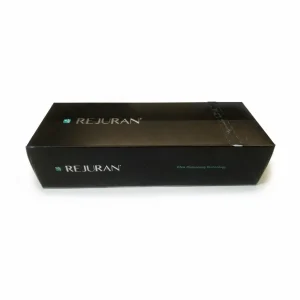
Buy Rejuran
Showing all 3 results
-
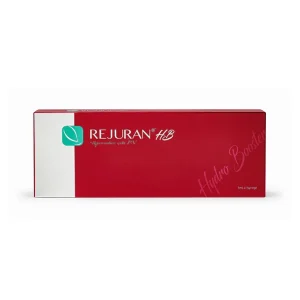

REJURAN® HB
$ 149.00 Add To Cart-+
REJURAN® HEALER
$ 349.00 Add To Cart-+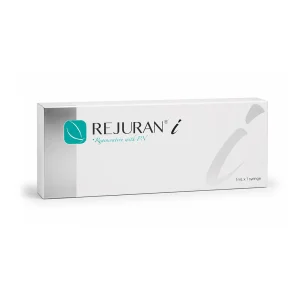
REJURAN® I
$ 149.00 Add To Cart-+Aesthetic practitioners looking to buy Rejuran can source the full professional range through Direct Doctor Supply. Developed by PharmaResearch Co., Ltd. in South Korea, Rejuran is a PDRN-based regenerative skin booster brand led by Rejuran Healer, its flagship injectable device, plus professional cosmetic ampoules and a homecare range. Its salmon-derived polydeoxyribonucleotide technology targets fibroblast activity, collagen synthesis, and cellular repair, which makes Rejuran injection treatment clinically distinct from volumizing fillers. Direct Doctor Supply has supplied licensed professionals as a trusted wholesaler since 2014. Practitioners can buy Rejuran skin booster products in the Direct Doctor Supply catalogue below.
About Rejuran — Regenerative Skincare from South Korea
Rejuran is manufactured by PharmaResearch Co., Ltd., a South Korean biopharmaceutical company founded in 1993 and headquartered in Gangneung-si, Gangwon-do. The company built its reputation refining technology from South Korea, developing a proprietary DNA Optimizing Technology (DOT™) to extract and purify high-purity salmon-derived polynucleotide (PN) and PDRN for use across the Rejuran range.[5] The Rejuran skin booster line applies regenerative science to skin quality rather than volume, placing it among professional anti-aging skincare products at the clinical end of Korean skin care.
Introduced in 2014 as one of the first MFDS-approved polynucleotide-based skin boosters in South Korea, Rejuran has since expanded into more than 20 countries.[5] Adoption has grown internationally, and interest now extends to reviews from the United States among practitioners tracking polynucleotide-based regenerative treatments, even though the injectable line is not cleared for the US market.
Rejuran reviews tend to focus on skin-quality outcomes rather than volume, which is where the brand differs from conventional fillers. PharmaResearch positions Rejuran around innovating skincare with regenerative science, and the range spans two separate tiers: a clinical injectable line and a homecare cosmetic line. Keeping them distinct means professional and personal care use sit under one Rejuran skincare umbrella without blurring the clinical and cosmetic claims.
Treatment Areas — Where Is Rejuran Used?
Rejuran PDRN injectables are selected for facial and periorbital indications where the goal is tissue quality rather than volume restoration. This positions Rejuran as a complement to fillers and biostimulators for practitioners offering comprehensive skin health protocols.[2][3]
Facial skin rejuvenation is the primary application for Rejuran injection, addressing fine lines, surface texture, reduced elasticity, and post-procedural recovery. Split-face studies comparing PN-based injectables with hyaluronic acid fillers have reported better skin texture and aesthetic outcome on the PDRN-treated side, with a favorable safety profile.[3] The Rejuran before and after results reflect skin-quality change rather than added volume.
Rejuran microneedling applies the PDRN solution topically during or right after a microneedling procedure to enhance penetration and amplify the regenerative response.[4] It suits practitioners who prefer device-assisted protocols, or patients for whom conventional injection is not ideal.
Periorbital treatment is supported by Rejuran injectable formulations and the Rejuran Eye Cream from the homecare range. Studies of PN injectables here have reported reduced periorbital wrinkles and improved skin quality, with adverse events limited to minor, transient effects.[3] The area is approached conservatively, with shallower placement than full-face work, since periorbital skin is thin and less forgiving.
Practices expanding their regeneration offering can also buy Korean dermal fillers through Direct Doctor Supply to complement Rejuran protocols, and clinics that buy skinboosters often pair Rejuran with hydration-focused options in combination treatment plans.
Rejuran Product Range — Injectables and Homecare
The Rejuran portfolio splits into two lines, and keeping them separate matters for accurate consultation. The injectable line is anchored by Rejuran Healer, with cosmetic ampoules including the Dual Effect Ampoule and the Rejuran Turnover Ampoule. Only Rejuran Healer is a syringe-based injectable device; the ampoules are cosmetic formulations.[5]
The homecare line covers daily-use products such as the Rejuran cream, the Rejuran mask, toner, tone up booster, and eye cream for maintenance between sessions. These are cosmetic-grade and must never carry the clinical claims of the injectable line. A Rejuran face mask or Rejuran toner supports the routine but does not replace in-clinic treatment.
Rejuran Technology — PDRN and Skin Regeneration
Rejuran technology is based on polydeoxyribonucleotide (PDRN), hydrolyzed DNA fragments extracted from salmon (Oncorhynchus keta) using PharmaResearch’s proprietary DOT™ purification process. PDRN has been studied in regenerative medicine and wound healing for decades, with well-documented pharmacological mechanisms supported by peer-reviewed literature.[1]
Rejuran PDRN works through two pathways. It binds adenosine A2A receptors on fibroblasts and endothelial cells, raising vascular endothelial growth factor (VEGF), promoting angiogenesis, and supporting Type I collagen synthesis. Through the salvage pathway, its nucleotide fragments contribute to DNA repair and cellular regeneration in dermal tissue.[1] Together these support fibroblast proliferation, improve matrix organization, and increase dermal thickness.[2]
The Rejuran Dual Effect Ampoule builds on PDRN activity with an added ingredient for broader outcomes in selected profiles, though as a cosmetic ampoule rather than an injectable device.[5]
Most Popular Rejuran Products
The differences between the injectable device, the professional ampoules such as the Rejuran Turnover Ampoule, and the homecare range should be communicated clearly during consultation.[5]
Rejuran Healer
Rejuran Healer is the flagship injectable medical device in the range, containing 20 mg/mL purified polynucleotide in a sterile aqueous solution for intradermal microinjection across facial areas.[5] It supports improvement in skin texture, elasticity, and hydration while promoting repair in compromised skin, which makes it the most common starting point for practitioners introducing PDRN-based treatment.
Rejuran Healing Essence
Rejuran Healing Essence bridges the injectable and cosmetic lines as a lightweight serum containing PDRN-derived active components, intended for post-treatment skincare support and recovery maintenance.[5] Used in a guided homecare routine, this serum reinforces results from in-clinic sessions and improves adherence between visits. It doubles as an overnight serum for patients who prefer to layer recovery support into an evening routine.
Rejuran Dual Effect Ampoule
Rejuran Dual Effect Ampoule is a professional-grade cosmetic ampoule combining PDRN-based activity with an additional active ingredient to address skin quality and visible aging.[5] It is typically selected by experienced practitioners managing more complex concerns.
Rejuran Tone Up Booster
Rejuran Tone Up Booster sits in the homecare cosmetic line, formulated to improve brightness and even skin tone through a daily-use topical.[5] Clinics commonly recommend this Rejuran booster as an at-home extension of in-clinic treatment. A related Rejuran turnover cream serves a comparable maintenance role for patients focused on surface renewal.
Rejuran Eye Cream
Rejuran Eye Cream targets the periorbital area with a topical formulation, which makes it particularly relevant for patients undergoing periorbital Rejuran injectable treatment.[5] Regular use provides cosmetic support alongside clinical care.
Why Practitioners Choose Rejuran
Rejuran holds a distinct position next to volumizing fillers and HA hydration boosters. Its PDRN mechanism targets fibroblast activation and collagen synthesis rather than volume, which suits skin quality decline better than contour correction. This lets practitioners cover ground outside traditional fillers, and to buy mesotherapy and regenerative injectables that expand the menu without duplicating existing protocols.[1][2]
The second advantage is Rejuran’s integrated injectable-plus-homecare ecosystem. Practitioners who buy Rejuran wholesale can offer in-clinic Rejuran treatment while recommending the aligned homecare range under the same brand, supporting adherence, maintenance visits, and a coordinated retail opportunity. Practitioners can weigh these factors differently, some prioritizing the clinical mechanism and others the retention and retail revenue the homecare tier supports.
Administration and Injection Technique
Rejuran Healer is administered by intradermal microinjection, with technique adapted to the area and protocol. Common approaches include multiple shallow bolus injections or linear threading at 1 to 2 mm depth into the superficial to mid dermis, the fibroblast-rich zone where the regenerative response begins.[5]
A standard course runs three to four sessions two to four weeks apart, with maintenance typically at six-month intervals. Initial improvements in surface quality, luminosity, and hydration may appear within several weeks, while full effects such as improved elasticity and dermal thickness develop over the series and the months that follow.[2][3]
Transient injection-site papules are a predictable local response to intradermal PDRN deposition. They typically resolve within hours and usually clear within one to two days. Patients should be told to expect this before the first session.
Regulatory Status
Rejuran Healer and the injectables are classified as medical devices approved by the Korean Ministry of Food and Drug Safety (MFDS) and carry CE marking under the EU Medical Device Regulation.[5][6] Status varies by region, and practitioners must confirm local clearance or registration before procurement and use.
Rejuran injectables are not currently FDA-cleared for the US aesthetic market. PDRN and PN technologies have been used clinically elsewhere for years but have not received FDA approval for injectable aesthetic indications in the US.[3][5] US practitioners should review current FDA guidance before sourcing or administering these products.
Distribution and Market Availability
Rejuran is available in more than 20 countries across Asia-Pacific, the Middle East, Europe, and North America under local regulatory frameworks.[5] European availability expanded after PharmaResearch’s 2025 distribution partnership with Laboratoires VIVACY.[6]
Licensed practitioners can browse the Direct Doctor Supply catalogue to order Rejuran, where stock is kept across the full injectable range with competitive wholesale pricing and reliable international shipping. Clinics that purchase Rejuran online do so on a wholesale basis and can request consolidated quotes before a first order.
Where to Source Rejuran for Your Practice
Rejuran is supplied to qualified aesthetic professionals only, and correct sourcing protects both clinic and patient. Practitioners who buy Rejuran online should confirm a distributor provides verifiable purity documentation, LOT number traceability, and a certificate of analysis for the injectable line before accepting delivery. Practices that buy Rejuran wholesale should also confirm cold-chain handling and shipping terms up front, since transit conditions affect how a PDRN product is received and stored.
Direct Doctor Supply maintains the full Rejuran catalogue, from Rejuran Healer through the ampoules and homecare products, with consistent stock and worldwide shipping. When buying online, clinics can reach the Direct Doctor Supply support team for availability, documentation, and current wholesale deals before a first order ships.
Rejuran vs Other Regenerative Skin Boosters
As the regenerative injectable market has expanded, practitioners weigh Rejuran against several competing technologies. For clinics that buy polynucleotides from more than one brand, the differences in mechanism, molecular profile, indication, and protocol make selection dependent on the patient’s skin and the clinic’s menu.
Rejuran vs NUCLEOFILL™
Both Rejuran and NUCLEOFILL™ are polynucleotide-based injectables, but they differ in molecular profile, concentration, and viscosity, which influence treatment depth, protocol frequency, and handling.[3] Rejuran’s PDRN-driven repair mechanism and NUCLEOFILL™’s structured PN formulation suit different regenerative and hydration goals. Offering both lets a clinic that has chosen to buy NUCLEOFILL™ give patients a choice between two distinct PN approaches.
Rejuran vs SUNEKOS®
Rejuran drives regeneration via PDRN-mediated fibroblast activation, while SUNEKOS® combines amino acids and hyaluronic acid to support extracellular matrix restoration and dermal hydration balance — a meaningfully different mechanism that can suit different patient profiles and treatment goals.[3] Some protocols layer both products for a complementary approach to early aging or fine-textured skin. For clinics that want to buy SUNEKOS® as an ECM-supportive complement to Rejuran, Direct Doctor Supply carries both.
Rejuran vs JALUPRO®
JALUPRO® nourishes fibroblasts through amino acid-based dermal nutrition, while Rejuran works upstream by stimulating regenerative signaling through PDRN pathways, mechanisms distinct enough to support complementary use.[3] Where a protocol benefits from both amino acid nutrition and PDRN-driven repair, practitioners can buy JALUPRO® through Direct Doctor Supply alongside Rejuran.
Rejuran vs PROFHILO®
PROFHILO® is a high-concentration HA injectable used for global laxity and tissue-level bioremodeling through collagen and elastin stimulation, while Rejuran targets cellular repair and texture through PDRN receptor signaling.[3] The two fill complementary rather than competing roles, and many clinics buy PROFHILO® for HA-based bioremodeling to sit beside their Rejuran work.
Rejuran vs PLINEST®
PLINEST® and Rejuran both sit in the polynucleotide category, but PLINEST® is derived from trout DNA while Rejuran uses salmon-derived PDRN processed through DOT™ purification, differences that affect viscosity, handling, and response across skin conditions.[3] Clinicians who buy PLINEST® alongside Rejuran can run the two trout- and salmon-sourced formulations against each other on comparable skin profiles before standardizing on one.
Rejuran vs EXOJUV
EXOJUV delivers growth factors and signaling molecules through exosome technology, while Rejuran uses PDRN to activate receptor-mediated pathways, two different approaches to repair.[3] Exosome therapy is still evolving, so the decision to buy EXOJUV should follow a clinic’s own read of the evidence, safety data, and regulatory context rather than precede it.
Juvelook vs Rejuran
Juvelook is a PDLLA-based hybrid biostimulator (poly-D,L-lactic acid with hyaluronic acid) that builds structural support and neocollagenesis over time, while Rejuran focuses on PDRN-based cellular regeneration. On juvelook vs Rejuran, Juvelook is chosen for longer-term collagen scaffolding, whereas Rejuran is used for repair, texture, and vitality, which makes them complementary rather than competing.[1][2] Practices managing broad injectable portfolios can also buy dermal fillers through the same platform.
Rejuran Safety Profile
The safety profile of the Rejuran injectables is well characterized in the literature and post-market use. Reported adverse events are generally mild and self-limiting, consistent with peer-reviewed studies of PDRN use in aesthetics.[3][4]
Common local effects include:
- Injection-site papules or bumps: a predictable response to intradermal PDRN deposition, typically resolving within hours to two days
- Transient redness: usually resolving within 24 to 48 hours
- Mild bruising at the injection site
These reactions are expected after intradermal injection and rarely need clinical intervention.[3][4]
Contraindications include confirmed hypersensitivity to PDRN or salmon-derived proteins, active skin infection or inflammation at the site, and pregnancy or lactation due to insufficient safety data.[5] Because the active ingredient is salmon-derived, review any history of fish or salmon allergy first. Patients with autoimmune skin disorders, keloid tendency, or elevated infection risk should be assessed individually, and clinicians should consult the product IFU for the full contraindication list.
Frequently Asked Questions
What is Rejuran?
Rejuran is a Korean PDRN skin booster brand by PharmaResearch Co., Ltd., using salmon-derived polydeoxyribonucleotide to stimulate skin regeneration.[5] The portfolio spans an injectable device line anchored by Rejuran Healer, professional cosmetic ampoules, and a homecare range for maintenance between sessions.
What is Rejuran PDRN?
Rejuran PDRN refers to purified polydeoxyribonucleotide fragments isolated from salmon DNA through PharmaResearch’s DOT™ process. It promotes fibroblast proliferation, collagen synthesis, and tissue repair by binding adenosine A2A receptors and activating the cellular salvage pathway.[1][2]
How long does Rejuran last?
Rejuran’s benefits build progressively over a treatment course rather than delivering static volume. Published evidence shows skin-quality improvement across the observation windows after a series, and maintenance is generally recommended around six-month intervals, though longevity varies by skin profile, age, and protocol.[3]
When does Rejuran take effect?
Many patients notice early improvement in surface quality, luminosity, and hydration within several weeks, reflecting early fibroblast activation. Full benefit develops over the months after a complete series as collagen remodeling progresses.[2][3]
How long do Rejuran bumps last?
Transient injection-site papules are a normal, expected response to intradermal PDRN injection. They typically resolve within hours and in most cases clear within one to two days. Patients should be informed before the first session.[4]
Is Rejuran FDA approved?
No. The Rejuran injectables are not currently FDA-cleared as injectable medical devices in the United States, having not completed that regulatory pathway for aesthetic use in the US market. Rejuran holds Korean MFDS approval and CE marking under EU MDR.[5] Verify the status in your jurisdiction before procurement.
What is Rejuran microneedling?
Rejuran microneedling combines Rejuran PDRN solution with microneedling to enhance dermal penetration. The micro-channels let PDRN reach deeper than topical application alone, and the combined stimulation may amplify the regenerative response. It is also used to support recovery after laser and device treatments.[4]
What is the difference between Juvelook and Rejuran?
Juvelook is a PDLLA-based hybrid biostimulator combining poly-D,L-lactic acid with hyaluronic acid, a different technology class from Rejuran’s PDRN mechanism. Juvelook provides a biodegradable scaffold that builds collagen over months; Rejuran activates fibroblasts and cellular repair through the adenosine A2A pathway. Both address skin quality through distinct mechanisms and protocols.[1][2]
Looking to buy Rejuran products?
The Direct Doctor Supply catalogue gives licensed practitioners the full Rejuran range of injectable devices, professional ampoules, and homecare products, with consistent stock, competitive wholesale pricing, and worldwide shipping from a supplier trusted by verified medical practices since 2014. Practitioners who buy Rejuran online through Direct Doctor Supply can lean on the support team for product selection, documentation, and orders across new and recurring accounts, with current wholesale deals available on request.
Citations and Resources about Rejuran
[1] Squadrito F, Bitto A, Irrera N, et al. Pharmacological activity and clinical use of PDRN. Frontiers in Pharmacology. 2017. https://pubmed.ncbi.nlm.nih.gov/28491036/
[2] Galeano M, Pallio G, Irrera N, et al. Polydeoxyribonucleotide: a promising biological platform to accelerate impaired skin wound healing. Pharmaceuticals (Basel). 2021. https://www.mdpi.com/1424-8247/14/11/1103
[3] Lee KWA, Chan KWL, Lee A, et al. Polynucleotides in aesthetic medicine: a review of current practices and perceived effectiveness. International Journal of Molecular Sciences. 2024. https://pmc.ncbi.nlm.nih.gov/articles/PMC11311621/
[4] Flores Rodríguez JC, Toledo Avelar LE, Yi K, Merino Arellano R, Porras Zamora BM, Martínez LV. Polydeoxyribonucleotide (PDRN) in Post-procedure Recovery in Aesthetic Medicine: A Narrative Review. Cureus. 2026. https://pubmed.ncbi.nlm.nih.gov/42299173/
[5] PharmaResearch Co., Ltd. Rejuran product information (polynucleotide medical devices and cosmetics). https://pharmaresearch.com/en/product/list.html?code=3
[6] PharmaResearch Co., Ltd. PharmaResearch Establishes European Distribution Partnership for ‘Rejuran’. PRNewswire. August 28, 2025. https://www.prnewswire.com/news-releases/pharmaresearch-establishes-european-distribution-partnership-for-rejuran-302541648.html
All content on this website is intended for informational purposes and does not constitute medical advice.
Content prepared by Direct Doctor Supply’s editorial team.
Sourcing and accuracy for this page follow our Editorial Policy: claims are cross-checked against clinical literature, regulatory filings, and manufacturer specifications before anything is published.