

SHARE THIS ARTICLE
Durolane
Durolane vs Synvisc: Comparative Analysis of Intra-Articular Treatments
May 9, 2024
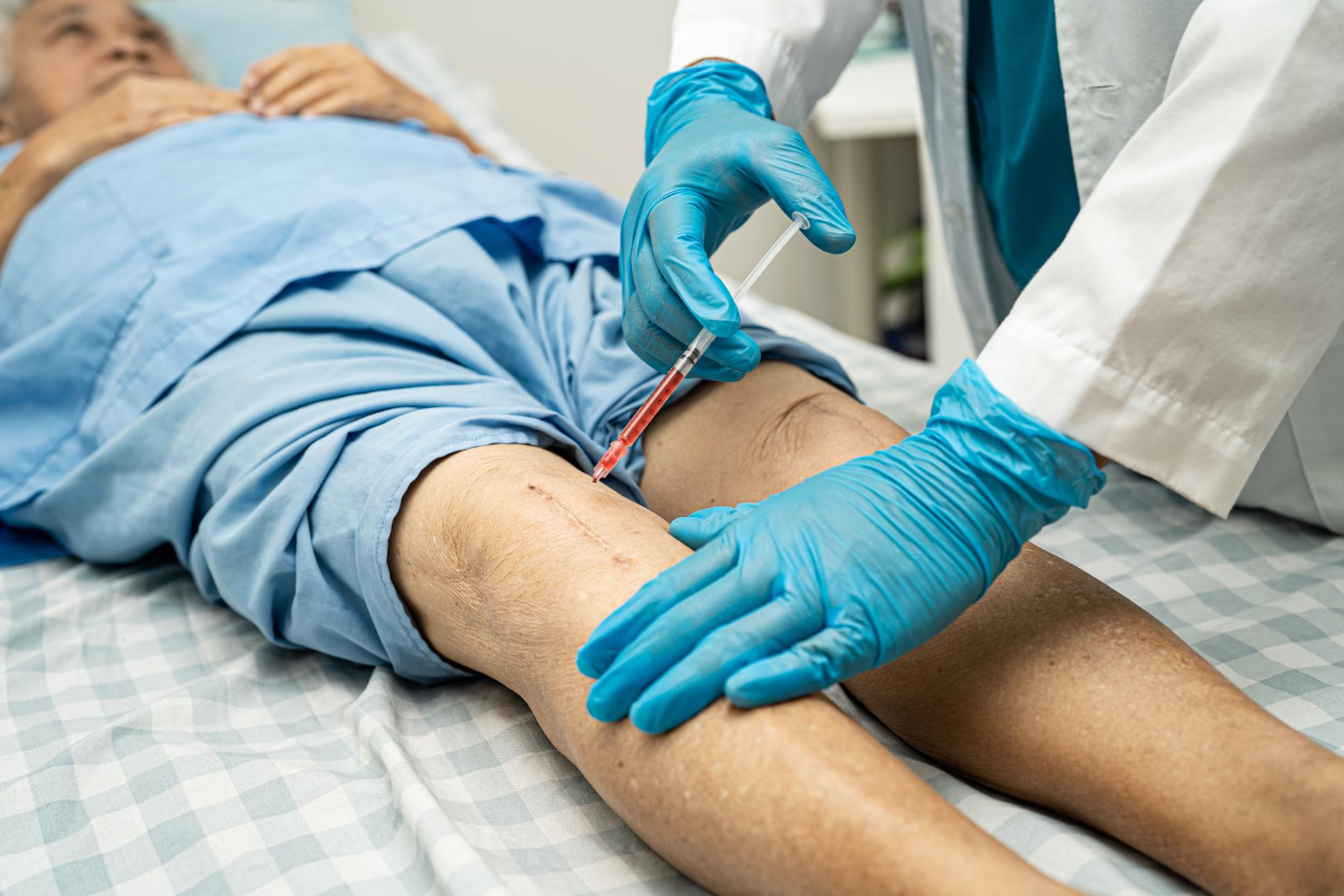
Intra-articular injections are a cornerstone in managing joint disorders and relieving conditions like osteoarthritis. Among the substances used, corticosteroids and hyaluronic acid are prevalent, with the latter often employed to improve joint lubrication and function.
Durolane and Synvisc stand out as two prominent hyaluronic acid-based treatments. Durolane boasts a unique technology with a longer half-life, while Synvisc is known for its efficacy and positive patient outcomes. Both aim to alleviate pain and improve mobility in osteoarthritis patients, yet they differ in composition and clinical use.
In this article, we will compare Durolane vs Synvisc and examine their mechanisms, benefits, and limitations.
Key Takeaways
- Durolane and Synvisc treat knee osteoarthritis by adding a cushioning fluid to the joint, but Durolane might need just one shot, while Synvisc could take up to five.
- Studies show people feel less pain with both treatments, but some prefer Durolane because it requires fewer doctor visits.
- Both shots have side effects like pain or swelling at the injection site, but these usually go away on their own.
About: Trusted by over 2,000+ global clients since 2014, Direct Doctor Supply has become a leading supplier of cosmetic, skincare, and orthopedic products for medical and aesthetic professionals. Direct Doctor Supply offers a wide range of authentic brand-name products at competitive wholesale prices, sourced from around the world.
Introduction to Durolane vs Synvisc
Durolane and Synvisc are treatments for knee osteoarthritis, providing relief from cartilage wear-induced knee pain. While Durolane requires a single shot, Synvisc involves three to five injections over several weeks. Research suggests both are effective, but patient preference may vary based on the required shots and post-injection experience.

Studies indicate that Durolane may offer longer-lasting pain relief, although safety considerations differ between the two treatments. Both options can significantly improve quality of life for many patients by making daily activities more manageable.
Mechanism of Action of Durolane and Synvisc
Durolane and Synvisc are injected directly into the knee to alleviate osteoarthritis pain. They replenish the joint with cushioning fluid, reducing pain and enhancing mobility. Durolane requires only one injection, while Synvisc may need up to five. Both contain hyaluronic acid, naturally found in joints but reduced with age or arthritis. These treatments mimic the body’s natural joint fluid, allowing for increased comfort and mobility.

Clinical Efficacy
Clinical trials have shown how Durolane vs Synvisc compare in treating knee osteoarthritis. These studies focus on pain relief, functional improvement, and safety. Some of the negative reviews from patients include the following:
- Susie had an injection of Durolane and experienced pain for two months afterward. She sought relief through low doses of Prednisone and Tylenol but still struggled. She reached out to others who might have faced similar challenges for encouragement and advice.
- Terri received Durolane after her insurance changed from Synvisc-One. Unfortunately, she had an adverse reaction, experiencing excruciating pain, swelling, and limited mobility. Based on her experience, she does not recommend Durolane.
- Jen, an Emergency Department nurse, received a Durolane injection and found herself unable to walk due to severe pain. She has been icing, elevating, and taking Motrin but remains miserable.
In contrast, some patients also reported positive experiences after their Durolane injections, which they shared for everyone’s awareness.
- Mark, an avid runner, had been struggling with knee pain due to wear and tear. After receiving a Durolane injection, he noticed a remarkable difference. The pain subsided, and he could run without discomfort. Mark praised Durolane for letting him keep running.
- Alex, a middle-aged individual with knee osteoarthritis, opted for Durolane injections. Within a few weeks, he experienced less stiffness and improved joint function, and he found the treatment effective in enhancing his quality of life.
2026 Study on Single-Injection Hyaluronic Acid for Knee OA
Recent 2026 research provides additional evidence on the effectiveness of single-injection hyaluronic acid treatments for knee osteoarthritis. A randomized, double-blind, multicenter study involving 347 patients found that walking pain decreased by 65% and 66% at 12 weeks with two different single-injection hyaluronic acid formulations. At 26 weeks, pain reductions reached 73% and 69%, respectively. The study also reported clinically significant improvements in stiffness and physical function, with both treatments well tolerated. These findings suggest that single-injection hyaluronic acid treatments can provide sustained improvements in knee osteoarthritis symptoms over six months.[5]
Long-term Effects on Joint Structure and Function
Durolane and Synvisc aim to improve long-term knee function by injecting HA directly into the affected joint. This treatment can help maintain joint health and reduce pain over time. While studies suggest that these injections may slow the progression of osteoarthritis, the results vary. However, many patients report experiencing less pain and improved mobility, delaying the need for surgery.
Safety Profiles
Durolane and Synvisc injections help people with osteoarthritis-related knee pain. However, like any treatment, they can cause side effects. Durolane’s side effects may include pain, redness, or swelling at the injection site, while Synvisc may cause similar reactions.

- Pain at the Injection Site: Some patients report pain right where they got their Durolane or Synvisc shot. This pain usually goes away on its own after a few days.
- Swelling and Redness: After getting Durolane or Synvisc, the knee might swell or look red. Ice packs often help reduce this swelling.
- Stiffness in the Knee: A stiff knee is another common side effect. Moving and gentle exercises can ease this stiffness over time.
- Itching Around the Injection Area: The skin around where the shot was given might itch. This itching isn’t severe and usually goes away.
- Bruising: Bruises might show up where the shot was given. They usually fade away within a week or two.
- Headache or Dizziness: A few people feel dizzy or get headaches after their injection, but drinking plenty of water helps.
- Nausea: Feeling sick to your stomach is less common but can happen. Eating something before getting the shot is good to help prevent this.
- Muscle Pain: Some patients feel muscle pain, not just in their knee but also in other parts of their body.
Comparison of Safety Profiles
Assessing the safety profiles of Durolane and Synvisc offers insights critical for medical professionals.[21] These intra-articular injections, pivotal in managing knee osteoarthritis, bring different experiences in adverse events. Let’s explore the distinctions, focusing on the essential facts for a concise comparison.
| Aspect | Durolane | Synvisc |
| Adverse Events Reported | Localized pain, swelling, and arthralgia | Joint stiffness, fluid accumulation, and pain at the injection site |
| Withdrawals Due to Adverse Events | Higher compared to Synvisc | Statistically significantly fewer |
| Safety in Long-Term Use | Comparable to other HA injections | Comparable to other HA injections |
| Severe Adverse Events | Rare cases of severe allergic reactions | Less familiar, with very rare instances of anaphylaxis |
Duration of Effect and Patient Preferences
Finding out which treatment lasts longer and makes patients happier is vital. Durolane and Synvisc treatments aim to ease knee pain for people with osteoarthritis. Studies show that Durolane, with its single-injection system, might offer pain relief for up to six months.
On the other hand, Synvisc, which requires a series of injections, also aims for similar long-lasting effects. Patients report feeling better and moving more easily after these treatments. Choosing between Durolane and Synvisc often depends on how long the relief lasts and what patients prefer.
Practical Considerations for Administration
Giving a Durolane or Synvisc injection requires skill and precision. These treatments help people with knee pain from osteoarthritis. When determining the appropriate Durolane dosage, healthcare professionals should follow the product’s prescribing information and established injection protocols. Here’s how to do it right:
- Start by cleaning the injection site on the knee with an antiseptic solution. This step helps prevent infections.
- Use a sterile technique throughout the procedure to maintain cleanliness.
- Numb the area with a local anesthetic if needed. This makes the process more comfortable for the patient.
- Carefully insert the needle into the joint space. Avoid hitting bone or soft tissue structures.
- Inject Durolane or Synvisc slowly into the joint. Take your time to ensure proper placement.
- Once you’ve given all the medication, remove the needle at the same angle you inserted it.
- If bleeding occurs, apply gentle pressure to the injection site with a sterile pad.
- Do not massage the injection area immediately after administering Durolane or Synvisc.
- Inform patients they can walk after a Durolane injection but should avoid strenuous activities for 48 hours.
- Finally, monitor patients for any immediate side effects, such as swelling or redness, that could indicate a reaction to the treatment.
Frequency of Administration
Durolane and Synvisc aim to relieve knee pain due to osteoarthritis, but their treatment plans differ. Durolane usually requires a single knee injection, while Synvisc may need up to five injections over several weeks. Consequently, Durolane offers a quicker treatment process with fewer visits, minimizing disruption to daily routines. Most patients can resume normal activities soon after a Durolane injection.
Conclusion
Understanding the mechanisms, efficacy, safety, and duration of effect of Durolane vs Synvisc is crucial for selecting the best treatment. By considering evidence-based comparisons, healthcare providers can make informed decisions tailored to patients’ unique needs and preferences, ensuring optimal outcomes in knee osteoarthritis management.
FAQs
1. What is Durolane, and how does it compare to Synvisc?
Durolane is a knee injection used for pain relief, similar to Synvisc. Both help your knees move smoothly, but they come from different materials.
2. Are there any side effects with Durolane?
Yes, like most treatments, Durolane has some side effects. Talking with a doctor about what you might experience after getting the shot is essential.
3. Can I walk after getting a Durolane injection?
Sure! Most people can walk right after their Durolane injection. But remember, each person’s recovery could be different.
4. How often do I need a Durolane shot compared to Synvisc?
The number of shots you need depends on your situation and what your doctor thinks is best. Some folks get more extended relief from one than the other.
Citations
[1] Patient Information Durolane®. U.S. Food and Drug Administration. https://www.accessdata.fda.gov/cdrh_docs/pdf17/P170007C.pdf. Accessed 18 Sept. 2026.
[2] Eustice, C. Intra-Articular Injections to Treat Joint Disorders. Verywell Health, 11 Jan. 2023. Accessed 18 Sept. 2026.
[3] Durolane Injections. Patient.info, 11 Jan. 2016. Accessed 7 May 2024.
[4] Durolane Reviews & Ratings. Drugs.com. https://www.drugs.com/comments/sodium-hyaluronate/durolane.html.
[5] Ruosi, C., U. G. Longo, N. Giordan, et al. “Single-Injection Hyaluronic Acid Treatment Demonstrates Non-Inferiority in the Relief of Symptomatic Knee Osteoarthritis: A Randomized Double-Blind, Multi-Center Controlled Study.” Osteoarthritis and Cartilage Open, vol. 8, no. 2, 2026, p. 100752. doi:10.1016/j.ocarto.2026.100752.
Sourcing and accuracy for this article follow our Editorial policy: claims are cross-checked against clinical literature, regulatory filings, and manufacturer specifications before anything is published