

SHARE THIS ARTICLE
Botox
After Care for Botox: Effective Post-Treatment Tips
Jun 17, 2024
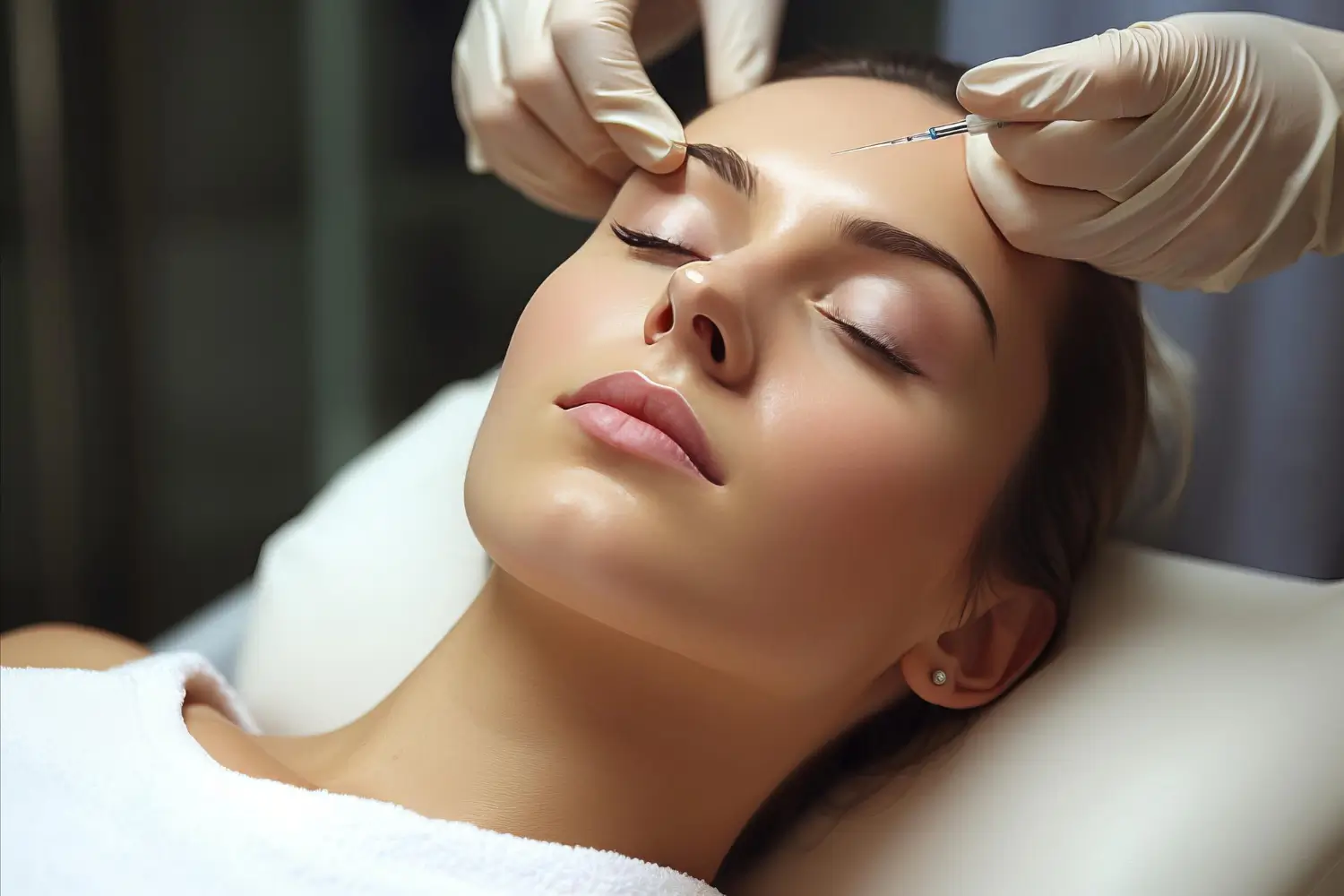
After every treatment, healthcare professionals and aesthetic specialists stress the importance of post-treatment care because it can significantly enhance the longevity and effectiveness of treatments like Botox injections. Key recommendations include avoiding strenuous activity and direct sunlight and refraining from touching the treated area to prevent the spreading of the toxin.
Botox, a brand name for botulinum toxin, has become synonymous with anti-aging treatments. It temporarily paralyzes muscles to smooth out wrinkles and fine lines, offering a rejuvenated appearance. Botox is a non-surgical solution that provides a quick and relatively painless option for those seeking cosmetic enhancements.
In this article, we’ll explore practical after care for Botox, including what to expect after treatment, which precautions may be useful, how to manage common side effects, and when professional follow-up may be necessary.
Key Takeaways
- Appropriate after care for Botox focuses on protecting the treated area, managing temporary injection-site reactions, and following the specific instructions provided by the treating professional.
- Understanding how Botox works, where it is injected, and its temporary nature can help patients develop realistic expectations about recovery and results.
- Mild swelling, bruising, tenderness, or headache may occur after injections and generally improve without intervention, although persistent or severe symptoms warrant medical assessment.
- Evidence does not establish that prolonged restrictions on exercise, lying down, or normal facial activity are necessary for every patient following Botox.
- Avoiding unnecessary rubbing or pressure on recently treated areas is a reasonable precaution, while individualized instructions should take priority over generalized online advice.
- A qualified medical professional should provide after care for Botox guidance based on the injection site, product, treatment plan, and patient’s medical history.
About: Trusted by over 2,000+ global clients since 2014, Direct Doctor Supply has become a leading supplier of cosmetic, skincare, and orthopedic products for medical and aesthetic professionals. Direct Doctor Supply offers a wide range of authentic brand-name products at competitive wholesale prices, sourced from around the world.
Understanding Botox Treatment
Botox is a brand name for a substance derived from Botulinum toxin, produced by the bacterium Clostridium botulinum. Although Botulinum toxin is known for causing botulism, a severe form of food poisoning, it has been widely used in medicine for both cosmetic and therapeutic purposes.

Botox is primarily used to reduce the appearance of facial wrinkles and fine lines, making it a popular cosmetic treatment among individuals seeking non-surgical facial rejuvenation.
Botox temporarily paralyzes or weakens specific muscles. When injected into facial muscles, Botox blocks the release of acetylcholine, a neurotransmitter responsible for muscle contraction. This blockade prevents the muscle from contracting, leading to a temporary relaxation of the muscle. As a result, the overlying skin smooths out, reducing the appearance of wrinkles and fine lines.
The effects of Botox are localized to the area of injection and do not spread throughout the body. Typically, results from Botox injections become noticeable within a few days to a week, with the maximum effect usually seen after about two weeks.
Botox’s wrinkle-reducing effects generally last three to six months. After that, the muscle action gradually returns, and wrinkles may reappear, necessitating repeat treatments to maintain the results. Furthermore, providers who purchase Botox wholesale at Direct Doctor Supply can expect fast shipping and genuine vials. Authentic products can also ensure a safe and effective Botox treatment.
Common Areas Treated with Botox
With this treatment’s popularity, many prefer Botox for its transformative power in skincare. It targets specific areas to smooth wrinkles and reduce signs of aging.
- Forehead Lines: A common reason for Botox is that it softens horizontal wrinkles for smoother skin.
- Crow’s Feet: Lines at eye corners from age or squinting; Botox relaxes muscles, reducing appearance.
- Frown Lines: “11” lines between eyebrows; Botox prevents deep furrows, lessening angry or tired appearance.
- Bunny Lines: Nose sides wrinkles; Botox minimizes their appearance when the nose scrunches.
- Lip Lines: Mouth fine lines, worsened by smoking or puckering; Botox reduces them effectively.
- Chin Dimpling: Orange peel texture on the chin; Botox smooths for a refined look.
- Neck Bands: Vertical bands on aging necks; Botox relaxes muscles, lessening aged appearance.
- Eyebrow Lift: Lifts sagging brows with precise injections, creating a youthful appearance.
- Trapezius Muscles: A new kind of Botox called Barbie Botox targets the trapezius muscles in your upper back and neck to create a longer, leaner neckline and make the shoulders appear more sculpted and defined, resulting in a doll-like appearance.
Importance of Aftercare for Botox
Appropriate after care for Botox can help patients manage the normal effects of injections and recognize symptoms that require professional attention. The emphasis should be on sensible precautions rather than assuming that every traditional aftercare rule has been scientifically established.

For example, avoiding unnecessary rubbing or vigorous manipulation of freshly injected areas is reasonable. Patients should also follow any product-specific or practitioner-specific instructions provided after treatment. Sun protection remains useful for overall skin health, although sunlight should not be described as causing Botox to migrate or become ineffective.
Aftercare also differs according to the treatment itself. Someone receiving forehead injections may receive different instructions from someone undergoing trapezius treatment or therapeutic injections. This is one reason generic after care for Botox lists should not replace advice from the clinician who performed the procedure.
Potential Risks of Neglecting Aftercare
- Bruising and swelling may become more noticeable.
- Ignoring post-treatment instructions could increase the risk of infection at injection sites.
- Failing to avoid certain activities can cause Botox to spread to unwanted areas, leading to muscle weakness or drooping.
- Skipping follow-up appointments prevents professionals from catching early signs of complications.
- Not adhering to sun protection advice might worsen skin sensitivity or cause premature aging.
- Avoiding prescribed aftercare products could delay healing and impact the overall appearance of the treatment area.
- Neglecting hydration and proper nutrition can slow recovery, making side effects last longer.
- Strenuous exercise too soon after treatment might increase blood flow and pressure, affecting where the botox settles.
- Heat exposure from saunas, hot showers, or direct sunlight immediately after treatment can increase swelling and discomfort.
- Massaging or rubbing treated areas might shift the Botox, altering results in undesirable ways.
2026 Study Update
A 2025 multicenter retrospective study involving 5,014 patients evaluated whether extended post-treatment restrictions were necessary after upper-face botulinum toxin injections. Among 4,000 patients who completed follow-up, adverse effects occurred in 5.99%, and 90% of 2,010 respondents reported being satisfied or very satisfied with their results.[2]
The researchers questioned the scientific necessity of prolonged restrictions after treatment. However, the retrospective design and focus on upper-face injections limit how broadly the findings can be applied to other injection sites.
Post-Treatment Instructions
Patients should receive individualized instructions after Botox rather than relying entirely on standardized timelines found online. Basic after care for Botox generally involves keeping the injection sites clean, avoiding unnecessary manipulation, and monitoring for unusual symptoms.

- Keep the treated area clean by gently washing it with a mild cleanser. Avoid scrubbing or applying pressure.
- Stay upright for at least 4 hours after treatment. This helps prevent Botox from spreading to other areas.
- If necessary, apply an ice pack or cold compress to reduce swelling and bruising. Do this for about 10-15 minutes every hour for the first day.
- Avoid touching, rubbing, or massaging the treated areas for at least 24 hours. This can also cause Botox to spread.
- Skip strenuous activities and exercises for 24 hours following your procedure.
- Steer clear of alcohol for at least one day post-treatment, as it can increase swelling and bruising.
- Keep away from high temperatures like saunas, hot showers, or sunbathing for 48 hours to avoid increasing blood flow to the injected areas.
- If you experience discomfort, use over-the-counter pain relievers, but avoid aspirin and ibuprofen, as they can increase bruising.
- Follow up with your provider to their recommendations to check your progress and discuss any concerns.
Managing Side Effects
Common side effects of Botox are generally mild and temporary. Here are the most frequently reported ones:

- Pain, Swelling, or Bruising at the Injection Site: This is the most common side effect and typically resolves within a few days.
- Headache: Some patients experience mild to moderate headaches after the procedure.
- Flu-like Symptoms: General malaise, fever, and body aches can occur, though these are less common.
- Drooping Eyelid or Brow (Ptosis): This occurs if the Botox spreads to adjacent muscles and can last for a few weeks.
- Crooked Smile or Drooling: This can happen if Botox affects muscles around the mouth.
- Eye Dryness or Excessive Tearing: These are usually temporary and mild.
- Nausea: Some patients report feeling nauseous after their treatment.
- Allergic Reactions: Rarely, some individuals may experience an allergic reaction, including itching, rash, or asthma symptoms.
- Muscle Weakness: Temporary muscle weakness near the injection site is possible.
If you experience severe issues like difficulty breathing or swallowing, extreme facial weakness, or unusual redness and pain at the injection site, seek immediate medical attention. Always prioritize safety and consult a healthcare provider if you notice any unusual symptoms following Botox.
Follow-Up Care and Maintenance
Regular follow-up appointments are crucial for maintaining optimal Botox results. These visits allow doctors to monitor progress, make necessary adjustments, and address emerging issues early, ensuring sustained safety and satisfaction.

Repeat treatment should not automatically be scheduled according to a fixed interval. The appropriate timing depends on the product used, treatment area, clinical indication, patient’s response, and applicable prescribing information.
For patients researching after care for Botox, the most useful approach is to distinguish evidence-based precautions from rules that have simply been repeated over time. For example, a 2019 randomized controlled trial found that deliberate facial exercise after glabellar and forehead injections affected the speed of visible onset, but this study examined specific facial exercises rather than strenuous gym workouts.[1] This distinction matters when interpreting claims about post-treatment activity.
It is also important to recognize that Botox is not interchangeable with topical products sometimes marketed online as Botox in a bottle. Cosmetic serums and creams cannot reproduce the neuromuscular mechanism of injectable botulinum toxin because they do not deliver the toxin to the neuromuscular junction in the same manner.
Conclusion
Effective aftercare for Botox treatments is essential for maximizing benefits and patient satisfaction. Following recommended post-treatment instructions, managing side effects, and prioritizing follow-up care help maintain a youthful and rejuvenated appearance.
Vital tips for successful post-treatment care include adhering to aftercare guidelines, staying informed about potential side effects, and seeking professional advice. Patients should consult their medical aestheticians for personalized recommendations and ongoing support in achieving their aesthetic goals.
FAQs
1. Can I touch my face after receiving Botox?
Avoid touching your face for at least 24 hours to ensure optimal results.
2. Is it permissible to lie down after my Botox treatment?
Remain upright for a minimum of 4 hours following treatment to maintain effectiveness.
3. Can I engage in exercise after receiving Botox injections?
Refrain from vigorous exercise for 24 hours as a precautionary measure.
4. When can I resume wearing makeup after Botox?
Wait at least one day before applying makeup post-treatment.
5. How long should I wait before pursuing other facial treatments?
Delay additional facial treatments for approximately 2 weeks to allow your skin to stabilize.
Citations
[1] American Society of Plastic Surgeons. “Botulinum Toxin.” American Society of Plastic Surgeons, www.plasticsurgery.org/cosmetic-procedures/botulinum-toxin.
[2] Santorelli, Adriano, et al. “Are Post-Care Recommendations Following Upper-Face Botulinum Toxin Treatment Scientifically Necessary? A Retrospective Study Based on 5000 Patients.” Toxins, vol. 17, no. 8, July 2025, p. 372. https://doi.org/10.3390/toxins17080372.
[3] Satriyasa, Bagus Komang. “Botulinum Toxin (Botox) a for Reducing the Appearance of Facial Wrinkles: A Literature Review of Clinical Use and Pharmacological Aspect.” Clinical Cosmetic and Investigational Dermatology, vol. Volume 12, Apr. 2019, pp. 223–28. https://doi.org/10.2147/ccid.s202919.
[4] WebMD Editorial Contributors. “What to Know About Botox Aftercare.” WebMD, 16 Feb. 2026, www.webmd.com/beauty/what-to-know-about-botox-aftercare.
Sourcing and accuracy for this article follow our Editorial policy: claims are cross-checked against clinical literature, regulatory filings, and manufacturer specifications before anything is published