


SHARE THIS ARTICLE
Sculptra
Sculptra Pros and Cons – A Complete List
Sep 25, 2024
Dermal fillers have become a popular solution for combating the signs of aging, with over 3 million procedures performed annually in the United States. These treatments can smooth wrinkles and restore lost facial volume, making them a go-to option for facial rejuvenation. However, like any cosmetic treatment, fillers come with both advantages and potential downsides.
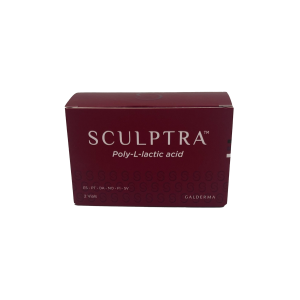
Among the variety of dermal fillers, Sculptra stands out for its unique composition and gradual, natural-looking results. Unlike traditional fillers made from hyaluronic acid, Sculptra is formulated with poly-L-lactic acid, which works by stimulating the body’s collagen production. This process delivers longer-lasting improvements but requires multiple sessions and some patience to see the full effects.
In this article, we’ll explore the list of Sculptra pros and cons and offer a comprehensive guide to help you determine if this treatment is right for you.
Key Takeaways
- Sculptra is a unique injectable dermal filler made from poly-L-lactic acid that stimulates collagen production to restore facial volume and reduce wrinkles.
- Sculptra’s results appear gradually over weeks to months and can last up to two years, making it a long-term solution compared to traditional dermal fillers.
- Multiple sessions are required to achieve optimal results, typically spread out over several weeks.
- Sculptra is ideal for individuals seeking natural-looking results that develop over time, rather than immediate, dramatic changes.
- While side effects such as swelling, redness, and tenderness are common, they usually subside within a few days. More severe reactions, like lumps or bumps under the skin, may require attention but typically resolve on their own.
- The treatment is suitable for both facial rejuvenation and body contouring, including applications like Sculptra for face, Sculptra butt lifts, and Sculptra hip dips treatments.
About: Trusted by over 2,000+ global clients since 2014, Direct Doctor Supply has become a leading supplier of cosmetic, skincare, and orthopedic products for medical and aesthetic professionals. Direct Doctor Supply offers a wide range of authentic brand-name products at competitive wholesale prices, sourced from around the world.
Understanding Sculptra
Sculptra is a unique injectable dermal filler made from poly-L-lactic acid, designed to stimulate collagen production over time. FDA-approved for treating wrinkles and restoring lost facial volume, Sculptra is particularly effective for [1]:

- Reducing deep wrinkles
- Improving skin texture
- Enhancing facial volume
- Treating hip dips and buttocks (Sculptra butt lift)
Unlike traditional fillers, Sculptra works gradually. Once injected, it stimulates the body’s natural collagen production, with results becoming visible over weeks to months. These improvements can last up to two years, making it an appealing option for those seeking long-term solutions to aging concerns, such as deep lines and volume loss.
Support your aesthetic business with authentic products and brands at Direct Doctor Supply, where clinics, practitioners, and consumers can easily explore options to buy Sculptra online.
Ideal Candidates for Sculptra Treatments
Knowing the Sculptra pros and cons is essential for anyone considering collagen-stimulating injections. Sculptra may suit individuals with facial volume loss or visible signs of aging who want gradual, natural-looking rejuvenation. Its main benefits include stimulating collagen production and potentially providing longer-lasting results than many traditional fillers. However, it does not deliver immediate results, and multiple sessions may be necessary. Potential candidates should also understand the risks, including swelling, bruising, and nodule formation, before proceeding with treatment.
The Pros of Sculptra Treatments
One of Sculptra’s biggest advantages is its ability to deliver natural-looking results. Unlike traditional fillers that provide immediate volume, Sculptra works gradually, stimulating the body’s own collagen production. This slow process ensures subtle enhancements, allowing the skin to rejuvenate over time. Because results appear gradually, there’s no dramatic change after a single treatment, making the transformation look more natural.

Compared with dermal fillers like Juvederm or Restylane, which often provide immediate but temporary effects, Sculptra offers a more discreet approach to facial rejuvenation.
Long-lasting Effects
A key benefit of Sculptra is its long-lasting results. Many patients wonder, “how long does Sculptra last?“ Unlike most dermal fillers that last only 6 to 12 months, Sculptra’s effects can endure for up to two years or more. This extended duration means fewer follow-up appointments and long-term savings for patients.
The gradual buildup of collagen ensures that results improve over time, giving patients a sustained youthful appearance without the need for frequent maintenance treatments.
Stimulates Collagen Production
Collagen is a critical protein that maintains the skin’s structure and elasticity, but as we age, collagen production declines, leading to sagging skin and wrinkles. By boosting collagen production, Sculptra not only restores volume but also improves overall skin texture and firmness.
The benefits extend beyond cosmetic improvements—enhanced collagen production promotes healthier skin that looks more youthful and resilient in the long term.
The Cons of Sculptra Treatments
One downside of Sculptra is the need for multiple treatment sessions. Unlike one-time filler treatments, Sculptra requires a series of injections spaced weeks apart to achieve optimal results. For busy patients, this time commitment can be inconvenient. However, this gradual approach also makes Sculptra stand out. By stimulating collagen production over time, it creates subtle, natural-looking improvements lasting up to two years.

While this extended timeline may not suit those seeking immediate results, the long-lasting effects can outweigh the inconvenience of multiple visits.
Moreover, Sculptra is like any other cosmetic treatment; it has its share of potential side effects. Common side effects include the following:
- Swelling
- Redness
- Bruising
- Tenderness at the injection site
Since these side effects are common, they usually subside within a few days. However, some patients may develop small bumps or lumps under the skin. Like Sculptra’s other common side effects, they often resolve on their own.
Recent Research on Sculptra’s Safety and Side Effects
A 2026 scoping review published in Cureus examined 40 studies on nodules and other localized complications associated with poly-L-lactic acid (PLLA) fillers, including Sculptra. The review identified factors such as dilution, preparation, injection technique, and injection depth that may contribute to nodule formation. It also discussed approaches to diagnosing and managing these complications. The findings highlight the importance of proper treatment techniques and qualified medical professionals when considering PLLA-based aesthetic treatments.[4]
To ease recovery, patients can apply ice packs, stay hydrated, avoid sun exposure, and gently massage the treated area. While these side effects are typically mild and temporary, patients should understand the healing process and consult their provider if they have concerns.
Conclusion
Understanding the Sculptra pros and cons can help you make an informed decision about this collagen-stimulating treatment. While Sculptra offers gradual, natural-looking improvements that may last up to two years, it requires multiple sessions and may cause temporary side effects, including redness, swelling, or bruising. A qualified provider can assess your needs and help determine whether Sculptra is the right option for you.
FAQs
1. How long does Sculptra last?
Sculptra results can last up to two years, gradually stimulating collagen production. This long-lasting effect is one of its biggest advantages over traditional dermal fillers, typically lasting 6 to 12 months.
2. Is Sculptra safe for all skin types?
Sculptra is generally considered safe for all skin types. However, consulting with a qualified provider is important to ensure that Sculptra is the right option based on your skin type and aesthetic goals.
3. How soon will I see results from Sculptra?
Results from Sculptra appear gradually as the body produces more collagen. Most patients notice improvements within 4 to 6 weeks, with full results developing over several months.
4. Can Sculptra be used for body contouring?
Yes, Sculptra is not limited to facial rejuvenation. It is commonly used for body contouring procedures, such as enhancing the buttocks (Sculptra butt lift) and treating hip dips, providing a more natural and gradual volume enhancement.
Citations
[1] Center for Devices and Radiological Health. Summary of Safety and Effectiveness Data. U.S. Food and Drug Administration. Accessed 16 Oct. 2026. https://www.accessdata.fda.gov/cdrh_docs/pdf3/p030050s002b.pdf.
[2] Liu, K. “Dermal Fillers: The Good, the Bad and the Dangerous.” Harvard Health Blog, 7 Jan. 2020. Accessed 16 Oct. 2026.
[3] Cleveland Clinic. “Dermal Fillers: What They Are, Types, Benefits & Side Effects.” 2022. Accessed 16 Oct. 2026.
[4] Flores Rodríguez, Julio César, et al. “The Management of Poly‑L‑Lactic Acid (PLLA) Nodules: A Scoping Review and Evidence‑Mapped Clinical Pathway.” Cureus, vol. 18, no. 6, 12 June 2026, p. e110742. https://doi.org/10.7759/cureus.110742. PubMed. Accessed 16 Oct. 2026.
Sourcing and accuracy for this article follow our Editorial policy: claims are cross-checked against clinical literature, regulatory filings, and manufacturer specifications before anything is published