

SHARE THIS ARTICLE
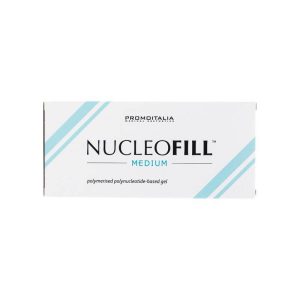
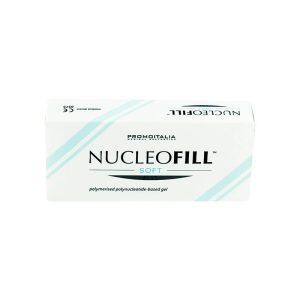
Nucleofill
Is Nucleofill FDA Approved?
Dec 5, 2024
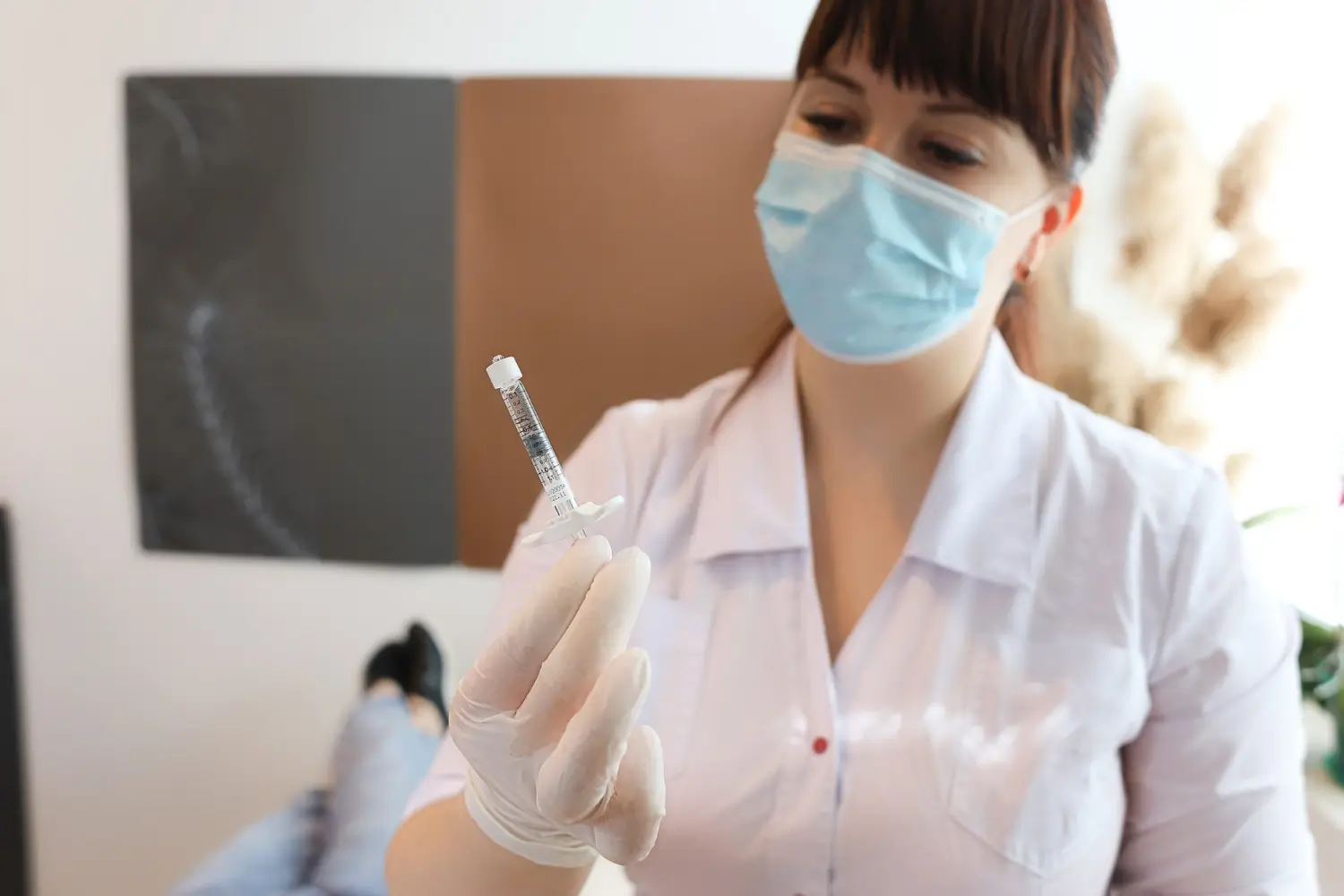
Noninvasive cosmetic injectables have surged in popularity, offering safe and effective treatments for those seeking aesthetic enhancement without surgery. Despite their nonsurgical nature, these treatments require careful handling to minimize risks and ensure patient safety. As demand for these procedures grows, understanding their safety profiles is crucial.
One such treatment that has garnered attention is Nucleofill, a noninvasive injectable designed to rejuvenate the skin. While it offers promising benefits, consumers should understand the regulatory context and what to consider before deciding to undergo treatment.
In this article, we will explore whether Nucleofill is FDA approved, its potential benefits, and the key factors consumers should consider before opting for this treatment.
Key Takeaways
- Nucleofill is a noninvasive injectable treatment for skin rejuvenation. It can improve texture, hydration, and elasticity.
- It has shown positive results in regions like Europe but is not FDA-approved for use in the United States.
- Clinical studies highlight Nucleofill’s efficacy and ability to stimulate collagen production, making it a viable alternative to traditional fillers.
- Medical professionals using non-FDA-approved treatments like Nucleofill must navigate legal risks, including licensing issues and insurance complications.
About: Trusted by over 2,000+ global clients since 2014, Direct Doctor Supply has become a leading supplier of cosmetic, skincare, and orthopedic products for medical and aesthetic professionals. Direct Doctor Supply offers a wide range of authentic brand-name products at competitive wholesale prices, sourced from around the world.
Whether Nucleofill Is FDA Approved or Not: Understanding Its Status
Nucleofill is a skin rejuvenation treatment that uses a combination of special ingredients delivered through small injections to improve skin texture and appearance. Practitioners and patients in Europe prefer this treatment, where it has shown positive results for facial and neck rejuvenation.

In the U.S., Nucleofill cannot be used legally because it lacks FDA clearance, and patients seeking similar results may consider FDA-approved alternatives like Juvederm or Restylane, both commonly used for facial volumization and wrinkle reduction.[1]
Each country has its own regulatory process, which is why Nucleofill remains accessible in Europe but restricted in the U.S. until it meets the FDA’s safety and efficacy requirements. For clinics, qualified practitioners, and consumers seeking authentic products, Direct Doctor Supply provides a convenient way to order Nucleofill wholesale, offering access to genuine aesthetic and medical products from trusted international sources.
Safety and Efficacy of Nucleofill
Nucleofill’s safety and efficacy are paramount for its users, especially those who often ask, “Is Nucleofill FDA approved?” Trial and study results show the treatment is highly effective with minimal side effects in approved regions, leaving patients satisfied with their results.
One significant study, a Phase III, randomized, double-blind, matched-pairs, active-controlled clinical trial, compared the durability, efficacy, and safety of polynucleotide fillers (Nucleofill) to traditional hyaluronic acid fillers for correcting crow’s feet. The results showed that Nucleofill provided similar durability and inflammatory responses but outperformed hyaluronic acid-based treatments in elasticity and collagen composition.
2026 Review of Polynucleotide Treatment Evidence
A 2026 systematic review further evaluated the clinical evidence surrounding polynucleotide and polydeoxyribonucleotide treatments for skin rejuvenation. The review included seven randomized clinical trials involving 183 participants, with four studies focused specifically on skin rejuvenation. Across the studies, PN and PDRN treatments were associated with improvements in wrinkle-related outcomes, skin quality, and patient satisfaction, while no serious treatment-related adverse events were reported. However, the authors noted that more large-scale, standardized clinical trials are needed to establish optimal treatment protocols.[4]
Regulatory agencies carefully regulate the safety of cosmetic treatments, including Nucleofill, to meet strict standards. These regulations include mandatory adverse event reporting and provisions for recalling unsafe products if necessary. While Nucleofill is not yet FDA-approved for use in the U.S., it is subject to rigorous evaluation in regions where it is approved, ensuring it meets the required safety and efficacy standards.
Patient Satisfaction and Results
The patient experienced significant improvements with Nucleofill Strong, which reduced fine lines and boosted collagen and elastin. Over time, their complexion became healthier, more hydrated, and glowing, with improved elasticity.

Image Courtesy of Jade Chen Aesthetics
The patient underwent four Nucleofill treatment sessions, which resulted in noticeably tighter skin, improved texture, and enhanced glow. The treatment also provided deep hydration.

Image Courtesy of Puriva Aesthetic Bali
Patients often praise the outcomes from these injections, citing benefits such as improved skin texture and firmness, with minimal adverse reactions reported.
Legal and Regulatory Considerations for Medical Professionals
Medical professionals should fully understand the risks and liabilities of using non-FDA-approved products, such as Nucleofill. Using non-approved treatments can create significant legal and medical challenges.
- Legal Risks: Using Nucleofill without FDA approval may expose medical professionals to legal action, as they could be held liable for any adverse outcomes.
- Health Risks: Since Nucleofill side effects haven’t been fully vetted by the FDA, there could be unknown risks associated with the treatment. Insufficient clinical data means side effects may not be fully understood, and adverse reactions could occur.
- License Risks: Physicians who use non-FDA-approved treatments in the U.S. may face disciplinary action or even risk losing their medical license.
- Insurance Issues: Insurance providers may refuse to cover Nucleofill treatments because they lack FDA approval, leaving the provider and patient to pay out of pocket.
- Lawsuits: Patients may file lawsuits if complications arise from using Nucleofill, especially if it leads to unsatisfactory or harmful results.
- Reputation Damage: Using treatments not approved by the FDA can damage a medical practice’s reputation, as patients may be hesitant to trust providers using unregulated products.
- Legal Costs: Defending the use of non-FDA-approved products in court can be expensive, leading to high legal fees and financial strain.
- Injection Risks: The lack of FDA guidance on Nucleofill increases the risk of improper injection techniques, which can result in complications or suboptimal results.
- Safer Alternatives: FDA-approved products like Juvederm and Restylane offer reliable alternatives and provide safer, more regulated options for facial rejuvenation.
- Financial Risk: Off-label use of Nucleofill can result in fines, lawsuits, or the loss of insurance contracts, adding significant financial risk.
Best Practices for Using Nucleofill
While Nucleofill does not have FDA approval in the U.S., there are steps medical professionals can take to use it safely and responsibly:
- Stay Informed: Nucleofill is approved in regions like Europe, so stay up to date on its status in different countries.
- Compare with Alternatives: Consider FDA-approved fillers like Juvederm and Restylane, which are safer and legally sound alternatives.
- Monitor Side Effects: Be cautious about potential side effects because Nucleofill lacks FDA approval.
- Use Safe Practices: Follow all standard safety protocols, even when using off-label treatments.
- Seek Advice: Consult peers with experience using Nucleofill or similar products.
- Educate Patients: Make sure patients are fully informed about Nucleofill’s regulatory status and potential risks.
- Document Everything: Keep thorough records of patient consultations and treatments to ensure transparency and safety.
The Growing Popularity of Nucleofill
Nucleofill has become increasingly popular in the broader trend toward nonsurgical skin rejuvenation treatments, especially among patients who ask, “Is Nucleofill FDA approved?” As more patients seek effective alternatives to invasive procedures like facelifts, the demand for noninvasive options that offer natural-looking results has skyrocketed. Nucleofill, which can stimulate collagen production and improve skin elasticity, fits this trend perfectly, offering a subtle yet noticeable improvement in skin texture and tone.
Patient satisfaction is what drives the growing popularity of Nucleofill treatments. Many experience visible improvements in skin quality and volume restoration without the risks or downtime associated with surgery.
Compared with other nonsurgical treatments, such as Botox or dermal fillers like Juvederm, Nucleofill offers the added benefit of plumping and rejuvenating the skin at a deeper level, which contributes to its appeal. With growing positive results and an expanding range of applications, Nucleofill remains a preferred choice for those seeking safe, effective facial rejuvenation.
Conclusion
Nucleofill represents a promising addition to the landscape of nonsurgical skin rejuvenation, offering noticeable improvements in skin quality and elasticity. However, its lack of FDA approval in the United States restricts its availability, highlighting the importance of regulatory compliance for both medical professionals and patients.
While Nucleofill continues to gain popularity in approved regions, U.S. patients should consult qualified practitioners to explore FDA-approved alternatives that align with their aesthetic goals and safety needs.
FAQs
1. What is Nucleofill?
Nucleofill uses salmon DNA to rejuvenate skin. Practitioners may inject it at specific points and depths of the face.
2. Does Nucleofill have FDA approval?
No, Nucleofill is not FDA-approved in the United States. It is, however, used in other regions, such as Europe, where it has shown positive results.
3. Are there side effects with using Nucleofill?
Common side effects may include mild swelling, bruising, or redness at the injection site. Patients should consult their healthcare provider for detailed information.
Citations
[1] Facial Volume Loss and Double Chin. Stanford Health Care, 2026. Accessed 7 Oct. 2026. https://stanfordhealthcare.org/medical-conditions/skin-hair-and-nails/facial-volume-loss.html.
[2] Are Injectables Safe? The Aesthetic Society. https://www.theaestheticsociety.org/patient-resources/safety/injectable-safety-guide.
[3] Smooth Skin Remedies, Products, Treatments, and Healthy Routines. Healthline, 18 June 2019.
[4] Alhussain, A. M., M. Turki, S. Albusayys, M. A. Alfhadi, et al. “Polynucleotides and Polydeoxyribonucleotides for Skin Rejuvenation, Postoperative Scar Prevention, and Wound Healing: A Systematic Review of Randomized Clinical Trials.” Cureus, vol. 18, no. 7, 2026, p. e112403. doi:10.7759/cureus.112403.
Sourcing and accuracy for this article follow our Editorial policy: claims are cross-checked against clinical literature, regulatory filings, and manufacturer specifications before anything is published