

SHARE THIS ARTICLE
Polynucleotides
Polynucleotides Side Effects – What to Expect and How to Manage Them
Jan 27, 2025
Polynucleotide-based treatments are rapidly gaining popularity in aesthetic medicine due to their ability to improve skin texture, boost hydration, and enhance elasticity. A review published in the International Journal of Molecular Sciences highlights their effectiveness in reducing wrinkles and revitalizing the skin, making them a promising solution for non-surgical facial rejuvenation.
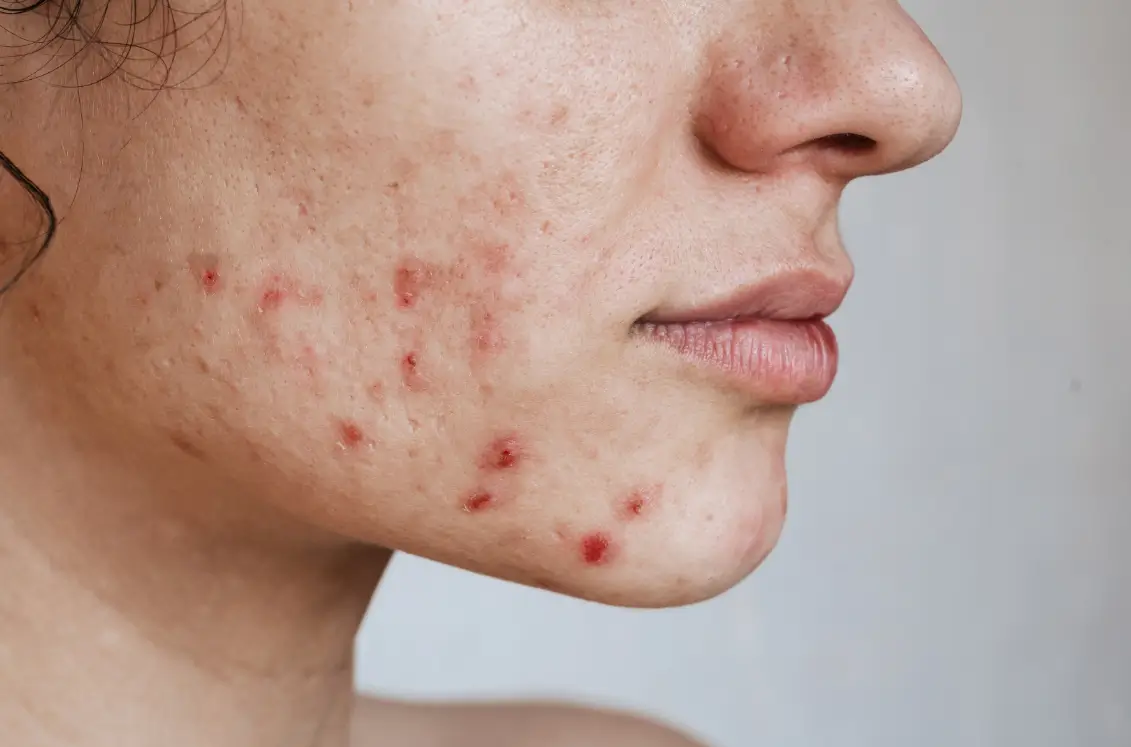
While these treatments offer remarkable benefits, it’s important to be aware of potential side effects. As with any injectable procedure, patients may experience mild swelling, redness, or temporary bruising, which typically subside with proper aftercare. Understanding these effects can help individuals feel more confident and prepared before undergoing treatment.
In this article, we will explore the common polynucleotides side effects and share expert-backed strategies for managing them effectively.
Key Takeaways
- Polynucleotides are naturally occurring molecules composed of nucleotide chains, widely used in medical and aesthetic treatments for their ability to promote tissue repair and regeneration.
- By stimulating cell renewal and enhancing skin structure, these treatments effectively improve elasticity, hydration, and overall skin quality, making them a popular choice for anti-aging and rejuvenation.
- Results can vary depending on factors such as skin type, overall health, and individual response to treatment.
- While polynucleotide treatments are generally well-tolerated, mild side effects like redness or swelling may occur, though these are typically temporary and manageable.
- Following proper aftercare guidelines from a healthcare provider is essential to achieving optimal results and minimizing potential side effects.
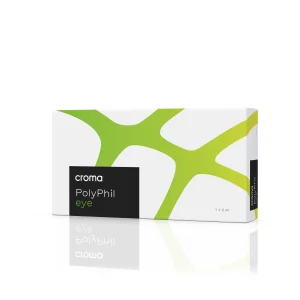
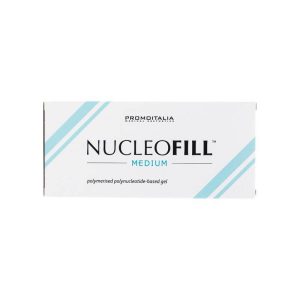
About: Trusted by over 2,000+ global clients since 2014, Direct Doctor Supply has become a leading supplier of cosmetic, skincare, and orthopedic products for medical and aesthetic professionals. Direct Doctor Supply offers a wide range of authentic brand-name products at competitive wholesale prices, sourced from around the world.
Common Polynucleotides Side Effects
Polynucleotides under-eye and skin rejuvenation treatments are generally well tolerated, but like any procedure, they can cause mild side effects.[1] Knowing what to expect helps patients feel more prepared and confident during their recovery. Common side effects are usually temporary and manageable, so they don’t disrupt recovery when properly addressed. These include:
Recent Clinical Findings on Polynucleotide Side Effects
A 2026 observational study evaluated 42 patients receiving polynucleotide injections for under-eye rejuvenation. Researchers reported that mild swelling and discomfort were the most common short-term reactions, with occasional minor bruising. Researchers observed no delayed or persistent complications at 1, 3, or 6 months. These findings suggest that polynucleotide injections were generally well tolerated in this patient group. However, the study focused on under-eye treatments and included a relatively small sample, so its findings may not apply to every treatment area or patient.[4]
- Mild Swelling and Redness: This is typical after the procedure and usually resolves within a few hours to a few days.
- Bruising: Some patients may experience bruising at the injection sites, which generally fades within 5 to 7 days.
- Itching or Tenderness: These sensations can occur and are usually manageable with moisturizers or antihistamines.
- Small Lumps or Nodules: In rare cases, small lumps may form at the injection sites. These are typically harmless and can improve with gentle massage or additional care from your doctor.
While these side effects are generally mild and temporary, they help to prepare patients for what to expect after treatment. Understanding these possible effects can help patients manage their recovery more effectively and ensure a smoother experience. Looking to buy Polynucleotides online? Direct Doctor Supply offers authentic branded aesthetic products at competitive prices for clinics and aesthetic professionals.
Managing Side Effects like Redness and Swelling
To ensure the best polynucleotide results, as well as a good patient experience, practitioners must explain how to manage the temporary side effects of polynucleotide injections:

- Apply Cold Compress: Using a cold pack on the treated area for short intervals can help reduce swelling and discomfort within the first 24 hours.
- Avoid Touching or Massaging: Avoid rubbing or applying pressure to the treated area to prevent irritation and allow the product to absorb properly.
- Stay Hydrated and Moisturized: Drink plenty of water and use a gentle, hydrating moisturizer to support skin healing and enhance the polynucleotides before-and-after results of polynucleotide treatments.
- Limit Sun Exposure: Protect the skin from direct sunlight and excessive heat for at least a week to prevent inflammation and pigmentation issues.
- Follow Medical Advice: Follow your provider’s post-treatment guidelines to support smooth recovery and minimize the risk of complications.
Rare Side Effects
Although rare, polynucleotides side effects can still occur, such as infection and allergic reactions. Patients should be aware of these possibilities for prompt management.

- Infection: Signs include redness, warmth, swelling, and pus at the injection site. If these symptoms occur, immediate medical attention is needed.
- Allergic Reactions: Rare reactions may include severe swelling, rash, or difficulty breathing. These require immediate emergency care.
To minimize infection risk, use clean techniques during the procedure and follow proper aftercare. Patients should be informed about these rare side effects before treatment so they can recognize symptoms early and seek appropriate help.
Patient Education
Teaching patients about potential side effects sets expectations and eases concerns. Doctors should explain common reactions, such as redness or swelling, that usually resolve within a few days. Discussing rare side effects, such as infections or allergic reactions, is also essential.[2]
Clear communication makes patients feel safe. Advising proper aftercare, such as using clean techniques and sharing medical history, reduces risks and supports the best treatment plan for each individual. This helps patients feel more comfortable and informed.
Conclusion
Polynucleotide treatments have revolutionized non-surgical skin rejuvenation, offering a natural approach to improving skin texture, hydration, and elasticity. While these injectables are generally well-tolerated, understanding potential polynucleotides side effects such as mild redness, swelling, and bruising helps ensure a smooth recovery and optimal results.
By following proper aftercare guidelines, patients can minimize discomfort and enhance their before-and-after transformations. Simple steps like applying cold compresses, staying hydrated, and avoiding sun exposure can significantly improve the healing process.
Overall, polynucleotide treatments offer a safe, effective solution for skin regeneration. With realistic expectations and informed aftercare, individuals can achieve long-lasting, youthful skin with minimal downtime. If you have concerns, consult a qualified practitioner to ensure a safe, satisfying experience.
FAQs
1. What are polynucleotides in cosmetics?
Polynucleotides are naturally occurring molecules used in skin treatments to rejuvenate, heal, and hydrate.
2. How do polynucleotides benefit the skin?
They help improve skin texture, promote collagen production, and boost hydration, leading to smoother, healthier-looking skin.
3. Do polynucleotides help with wrinkles?
Yes, they can reduce the appearance of fine lines and wrinkles by stimulating collagen production and skin repair.
4. How are polynucleotides applied in cosmetic treatments?
They are typically injected into the skin using microneedling or mesotherapy techniques.
Citations
[1] “Skin Allergy.” ACAAI Patient. Accessed 14 Oct. 2026. https://acaai.org/allergies/allergic-conditions/skin-allergy/.
[2] Kalra, P. “Save Yourself from Getting ‘Plastic Skin’ after Sun Exposure! Use These Tips.” Healthshots, 23 Aug. 2022. Accessed 27 Jan. 2025. https://www.healthshots.com/beauty/skin-care/sunscreen-tips-and-how-to-stay-safe-from-sun-exposure/.
[3] Yi, K., Waranaree Winayanuwattikun, S. Kim, et al. “Skin Boosters: Definitions and Varied Classifications.” Skin Research and Technology, vol. 30, no. 3, 2024. doi:10.1111/srt.13627.
[4] Ziade, Georges, et al. “Prospective Observational Study of Polynucleotide Injections for Periorbital Rhytides.” Journal of Cosmetic Dermatology, vol. 25, no. 2, Feb. 2026, p. e70736.
Sourcing and accuracy for this article follow our Editorial policy: claims are cross-checked against clinical literature, regulatory filings, and manufacturer specifications before anything is published