


SHARE THIS ARTICLE
Philart
PhilArt Eye Side Effects – The Complete List
May 5, 2025
The skin around the eyes is the thinnest on the face, making it particularly vulnerable to aging and environmental damage. A study found that the upper medial eyelid has the thinnest dermal layer, measuring approximately 758.9 µm. This delicate structure makes the under-eye area prone to fine lines, dehydration, and loss of elasticity.
PhilArt Eye is a cosmetic treatment designed to rejuvenate the under-eye area by stimulating collagen production and improving hydration. While many patients experience positive results, some report mild side effects. Understanding these reactions is essential for ensuring safe and effective treatment outcomes.
This article will explore the complete PhilArt Eye side effects list, discuss their causes, and provide expert management recommendations.
Key Takeaways
- PhilArt Eye is a polynucleotide-based injectable designed for under-eye rejuvenation. It offers hydration, collagen stimulation, and improved skin texture.
- Mild side effects such as redness, swelling, bruising, and tenderness are common and typically resolve within a few days.
- Serious complications like infection, allergic reactions, or tissue necrosis are rare but possible, emphasizing the importance of skilled injection technique and proper patient selection.
- Risk factors include poor technique, sensitive skin, pre-existing conditions, and inadequate post-treatment care.
- Management strategies include cold compresses, antihistamines, regular follow-ups, and referral to specialists when needed.
- Patient education plays a critical role in minimizing complications and maximizing satisfaction.
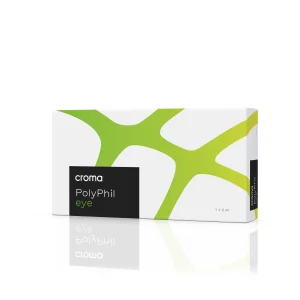
About: Trusted by over 2,000+ global clients since 2014, Direct Doctor Supply has become a leading supplier of cosmetic, skincare, and orthopedic products for medical and aesthetic professionals. Direct Doctor Supply offers a wide range of authentic brand-name products at competitive wholesale prices, sourced from around the world.
PhilArt Eye Side Effects: Common to Mild
Mild side effects are typical after PhilArt Eye treatments, especially around the delicate under-eye area. These symptoms usually appear shortly after the procedure and resolve within a few days. They’re part of the body’s natural response to injectable treatments and are not typically a cause for concern [1].

- Redness or erythema around the injection site
- Swelling or puffiness lasting 24–72 hours
- Mild bruising that can be covered with makeup
- Tenderness or discomfort during facial movement
- Minor itching as the skin heals
- Tightness or firmness temporarily, as the product settles
Practitioners planning to purchase PhilArt online should also review supplier credentials, storage requirements, product documentation, and recommended aftercare guidance before use. Appropriate sourcing and post-procedure instructions can help support consistent treatment delivery and patient follow-up.
Rare but Serious Side Effects Linked to PhilArt Eye Treatments
While rare, serious side effects can occur, particularly if the product is administered incorrectly or if the patient has underlying medical conditions. A qualified medical professional should address these issues immediately. Possible serious side effects include [2]:

- Infection at the injection site, marked by pain, heat, or pus
- Nodules or lumps due to improper placement or product migration
- Tissue necrosis from vascular occlusion (extremely rare)
- Allergic reaction, including swelling, itching, or difficulty breathing
- Visual disturbances if injected too deeply or near the orbital rim
- Prolonged edema or swelling lasting more than 10 days
These complications highlight the importance of proper technique and patient selection.
Research Update: Long-Term Periocular Safety of Polynucleotides
A 2026 retrospective study evaluated the safety of intradermal polynucleotide treatment in the periocular region across 23 patients and 91 treatment sessions, with records reviewed for up to two years. Only two mild, self-limited adverse events were documented: one case of transient periocular edema and one case of persistent injection-site papules that resolved within 24 hours. No moderate, severe, or delayed treatment-related adverse events were identified. Although the study did not specifically evaluate PhilArt Eye, it suggests that serious complications from properly administered periocular polynucleotide injections are uncommon in the available clinical evidence. Because the eye area contains delicate vascular and anatomical structures, appropriate injection technique, patient selection, and monitoring remain important when using products such as PhilArt Eye [3].
Risk Factors and Injection Technique Considerations with PhilArt Eye
The safety of PhilArt Eye treatments depends heavily on the injector’s technique and knowledge of facial anatomy. Because the periocular area is sensitive, improper placement can lead to complications.
Common risk factors include the following:
- Poor injection technique (too deep or superficial)
- Lack of anatomical knowledge of the tear trough and surrounding vessels
- Pre-existing conditions (e.g., autoimmune disorders, circulatory issues)
- Patients with thin, sensitive skin or prone to bruising
- History of adverse reactions to cosmetic injectables
Injection Recommendations
- Use a blunt-tip cannula to minimize trauma and vascular risk
- Inject slowly in small amounts
- Avoid the infraorbital foramen
- Monitor closely for signs of vascular compromise
Best Practices for Managing PhilArt Eye Complications
Even with proper precautions, some patients may experience side effects. Providers should be equipped to recognize and manage both mild and severe reactions. Best practices include:
- Follow-up assessment within 48–72 hours post-treatment
- Applying cold compresses to minimize swelling
- Avoiding NSAIDs (unless necessary) to reduce bruising risk
- Antihistamines for minor itching or allergic symptoms
- Topical antibiotics for minor skin irritation
- Immediate referral for serious visual changes or persistent issues
Note: Hyaluronidase is not effective here as PhilArt is not a hyaluronic acid filler.
Conclusion
PhilArt Eye is considered a safe and effective solution for under-eye rejuvenation when administered by trained professionals. Its polynucleotide-based formula helps stimulate skin regeneration, boost hydration, and improve elasticity in this delicate region.
Given the sensitivity of the treatment area, optimal results depend on expert application, clear patient education, and attentive follow-up. Insights from Croma PhilArt reviews and clinical experiences affirm that, when handled correctly, PhilArt Eye delivers both safety and satisfaction for patients seeking a refreshed look.
FAQs
1. What is PhilArt used for?
PhilArt is a skin booster made with polynucleotides designed to improve skin texture, hydration, and elasticity.
2. Is PhilArt Eye different from regular PhilArt?
Yes. PhilArt Eye is a thinner formulation specifically made for the under-eye area to target dark circles and fine lines.
3. How long does PhilArt last?
Results typically last 4–6 months, depending on the area treated and individual skin response.
4. Who is a good candidate for PhilArt?
Adults with early signs of aging, dull skin, or under-eye volume loss who are looking for subtle rejuvenation.
5. Is PhilArt safe for all skin types?
Generally yes, but individuals with autoimmune conditions or severe allergies should consult their doctor first.
6. Can PhilArt be combined with other treatments?
Yes, PhilArt works well with fillers, microneedling, and lasers for enhanced results when spaced appropriately.
7. How soon will I see results?
Most people notice visible improvements after 2–3 sessions, with optimal results appearing after the full treatment course.
Citations
[1] Chopra, Karan, et al. “A Comprehensive Examination of Topographic Thickness of Skin in the Human Face.” Aesthetic Surgery Journal, vol. 35, no. 8, 2015, pp. 1007–1013. https://doi.org/10.1093/asj/sjv079.
[2] Arepagorn, Anongnat, et al. “The Comparative Efficacy and Safety of 250 μm versus 350 μm Long Microneedle Patch on Under-Eye Skin.” Cosmetics, vol. 11, no. 3, 2024, article 92. https://doi.org/10.3390/cosmetics11030092.
[3] Miana, Elena Caride. “Long-Term Safety of Intradermal Polynucleotides in the Periocular Region: A Retrospective Study.” Journal of Cosmetic Dermatology, vol. 25, no. 7, 2026, article e71029. https://doi.org/10.1111/jocd.71029.
Sourcing and accuracy for this article follow our Editorial policy: claims are cross-checked against clinical literature, regulatory filings, and manufacturer specifications before anything is published