


SHARE THIS ARTICLE
Profhilo
Profhilo vs Rejuran – Which Is Best for Anti-Aging?
May 22, 2025
Did you know that hyaluronic acid-based fillers were first introduced in the 1990s, marking the beginning of a revolution in non-surgical facial rejuvenation? Since then, injectable treatments have grown in popularity, with millions choosing minimally invasive procedures to maintain youthful, vibrant skin. As cosmetic technology evolves, newer formulations offer even greater benefits, making it crucial to understand the differences between popular treatments.
Two of the most in-demand options today are Profhilo and Rejuran, injectable treatments that target anti-aging concerns and improve skin quality. Profhilo uses hyaluronic acid to deeply hydrate and stimulate collagen production, while Rejuran uses polynucleotides to promote skin repair and regeneration.
This article will compare Profhilo vs Rejuran, examining their benefits, mechanisms, and how they measure up in addressing anti-aging needs to help you decide which treatment is best for your skin goals.
Key Takeaways
- Profhilo and Rejuran are polynucleotide-based treatments that aim to rejuvenate and repair skin, but they differ in composition, mechanism of action, and intended outcomes.
- Profhilo uses high-concentration hyaluronic acid to improve skin hydration and elasticity, gradually enhancing skin tone, texture, and firmness. It is ideal for patients seeking overall skin rejuvenation and subtle, noninvasive enhancements.
- Rejuran contains polynucleotides derived from salmon DNA, promoting skin regeneration and healing. It primarily benefits patients with more advanced skin damage, such as acne scars, fine lines, or uneven skin tone, offering deeper tissue repair and collagen stimulation.
- Profhilo requires two to three sessions, spaced four weeks apart, and offers quicker results with minimal recovery time. In contrast, Rejuran usually requires three to four sessions, with slight downtime due to microinjections, but it delivers more immediate visible results in terms of skin texture.
- The choice between Profhilo vs Rejuran depends on whether the primary concern is improving hydration and elasticity (Profhilo) or skin repair and texture improvement (Rejuran). A personalized consultation with a qualified practitioner is crucial to determine the best treatment plan.
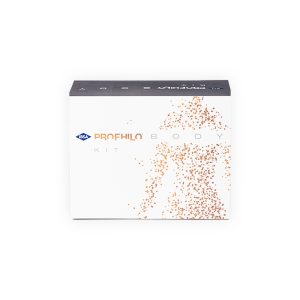
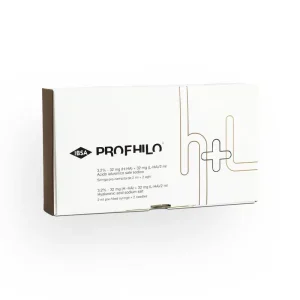
About: Trusted by over 2,000+ global clients since 2014, Direct Doctor Supply has become a leading supplier of cosmetic, skincare, and orthopedic products for medical and aesthetic professionals. Direct Doctor Supply offers a wide range of authentic brand-name products at competitive wholesale prices, sourced from around the world.
Composition and Mechanism: Profhilo vs Rejuran
Profhilo and Rejuran differ in their ingredients and mechanisms of action, which significantly affect their clinical efficacy.

Profhilo treatment is made of pure hyaluronic acid (HA) in a high concentration, designed not as a dermal filler, but as a bioremodeling agent.[1] Upon injection, it spreads through the skin’s layers, improving hydration, stimulating collagen and elastin production, and enhancing skin elasticity. The main action of Profhilo is to enhance the overall structure of the skin, leading to smoother, firmer skin over time.
Rejuran treatment, however, contains polynucleotides (PNs) extracted from salmon DNA, which are biocompatible and known for their powerful healing properties. Rejuran stimulates cellular repair, boosts skin turnover, and reduces inflammation. It acts more as a skin healer than a volumizer, promoting deeper regeneration of damaged skin tissue.
While Profhilo focuses on enhancing skin quality by improving hydration and elasticity, Rejuran targets deeper skin issues, such as fine lines and skin damage, by regenerating the dermal layers. Both treatments offer excellent anti-aging benefits but work through distinct biological pathways. Clinics, practitioners, and consumers can buy Profhilo online from Direct Doctor Supply, with a streamlined way to explore authentic products across aesthetic and medical categories.
Clinical Applications and Indications
Profhilo and Rejuran treatments are suited for different skin concerns, offering patients targeted benefits based on their specific needs and goals:
- Profhilo is ideal for individuals experiencing mild to moderate skin laxity, dullness, and dehydration. Clinicians commonly apply it to the face, neck, décolletage, and hands to hydrate, improve texture, and subtly lift the skin over multiple sessions. Profhilo works best for patients seeking overall skin rejuvenation and to restore firmness and smooth fine lines.
- Rejuran, on the other hand, is more focused on damaged or aged skin, particularly for patients with acne scars, uneven skin tone, and fine lines. It’s beneficial for individuals looking to enhance skin regeneration, strengthen the skin barrier, and promote healing for sensitive or inflammation-prone skin.
The choice between Profhilo vs Rejuran depends on whether the primary concern is hydration and elasticity (Profhilo) or skin repair and texture improvement (Rejuran).[2]
Treatment Protocols and Patient Experience
Both Profhilo and Rejuran offer effective treatments with specific protocols that vary in frequency and patient experience:
- Profhilo treatments typically require two to three sessions, spaced around four weeks apart. The Bio Aesthetic Point (BAP) method, using five injection points on each side of the face, ensures an even spread and maximizes the product’s biostimulatory effect. Most patients experience minimal downtime, with a quick treatment time of around 15–30 minutes.
- Rejuran requires three to four sessions, spaced 3–4 weeks apart. It involves multiple microinjections, which may leave temporary pinpoint marks or redness, but these usually subside within 24–48 hours. Patients may experience slightly more discomfort during the procedure than with Profhilo, but the gradual tissue repair can improve skin tone and texture over time.
While Profhilo is less intensive with faster recovery times, Rejuran delivers deeper tissue regeneration and can be more suitable for patients with more specific skin damage.
Efficacy, Safety, and Side Effects
Both Profhilo and Rejuran are safe and well-tolerated when performed by qualified professionals. These treatments use biocompatible ingredients, which can reduce the risk of adverse reactions compared with synthetic alternatives. Common side effects for both treatments include:
2026 Study Update
A 2026 systematic review of seven randomized clinical trials involving 183 participants evaluated polynucleotide (PN) and polydeoxyribonucleotide (PDRN) treatments for skin rejuvenation, scar prevention, and wound healing. Across the included studies, PN/PDRN treatments improved wrinkle-related outcomes, scar quality, wound healing, and patient satisfaction, with no serious treatment-related adverse events reported. The researchers noted that more high-quality studies with larger populations and standardized treatment protocols are still needed. These findings provide recent support for the regenerative and skin-repair potential of polynucleotide treatments such as Rejuran, while highlighting the need to interpret current evidence cautiously.[5]

- Mild redness, swelling, or light bruising at the injection sites.
- Temporary itching or discomfort that resolves within a few days.
Although both products are highly effective, Profhilo is not FDA-approved in the United States. However, it is CE-marked and widely used in Europe and Asia. Many patients may wonder, “Is Profhilo FDA-approved?” The answer is no; currently, it is not approved for use in the U.S., though it’s legally available in many international markets.
In comparison, Rejuran is FDA-approved in some regions and has a well-documented safety profile, offering significant skin healing without the typical side effects associated with fillers or injectables.
Conclusion
Both Profhilo and Rejuran offer effective polynucleotide-based treatments for skin rejuvenation, but each serves a distinct purpose. Profhilo suits individuals seeking hydration, improved elasticity, and better overall skin quality. It delivers gradual, natural-looking results with minimal downtime, making it ideal for patients who want subtle enhancements without invasive procedures.
Rejuran works better for those with more advanced skin damage, such as acne scars, fine lines, or uneven skin tone. It promotes deeper cellular regeneration, helping to restore the skin’s integrity and heal damaged tissues. This makes Rejuran the preferred choice for patients requiring more intensive skin repair.
Choosing between Profhilo vs Rejuran depends on individual skin concerns, aesthetic goals, and the level of rejuvenation needed. By consulting a qualified aesthetic professional, patients can choose the treatment that best aligns with their needs for effective, long-lasting results.
FAQs
1. Is Profhilo a filler?
No, Profhilo is not a traditional dermal filler. It doesn’t add volume; it stimulates collagen and hydrates the skin.
2. How long do the effects of Profhilo last?
Results typically last 6 to 9 months, depending on age, skin condition, and lifestyle. Maintenance treatments may be needed.
3. When will I see results from Profhilo?
Initial improvements can appear within a few days, but optimal results usually show after four weeks post-treatment.
4. Can I combine Profhilo with other treatments?
Yes, Profhilo works well with treatments like microneedling, botulinum toxin, or Rejuran, depending on your goals.
5. Is there any downtime after a Profhilo injection?
Downtime is minimal. Some patients experience redness or swelling for 24 hours, but normal activities can resume immediately.
6. Who is a good candidate for Profhilo?
Adults experiencing early signs of skin aging, laxity, or dehydration are ideal candidates for Profhilo.
7. How is Profhilo different from skin boosters?
While both hydrate the skin, Profhilo contains a higher concentration of hyaluronic acid and spreads more evenly for broader results.
Citations
[1] Hyaluronic Acid: Skin Benefits, Products to Use, and More. Healthline, 2 Aug. 2017. Accessed 9 Oct. 2026. https://www.healthline.com/health/beauty-skin-care/hyaluronic-acid.
[2] Kick-Start the Skin Regeneration Process, No Matter What Your Age Is. Healthline, 11 Feb. 2022. Accessed 9 Oct. 2026. https://www.healthline.com/health/skin-regeneration.
[3] Daoud, A., and R. Weiss. Hyaluronic Acid Fillers: Where We Have Been and Where We Are Going. In: Biochemistry, 2021. doi:10.5772/intechopen.97264.
[4] Tam, E., J. P. S. Choo, P. Rao, W. R. Webb, J. D. A. Carruthers, and E. Rahman. “A Systematic Review on the Effectiveness and Safety of Combining Biostimulators with Botulinum Toxin, Dermal Fillers, and Energy-Based Devices.” Aesthetic Plastic Surgery, 24 Dec. 2024. doi:10.1007/s00266-024-04627-5.
[5] Alhussain, A. M., M. Turki, S. Albusayys, M. A. Alfhadi, et al. “Polynucleotides and Polydeoxyribonucleotides for Skin Rejuvenation, Postoperative Scar Prevention, and Wound Healing: A Systematic Review of Randomized Clinical Trials.” Cureus, vol. 18, no. 7, 2026, p. e112403. doi:10.7759/cureus.112403.
Sourcing and accuracy for this article follow our Editorial policy: claims are cross-checked against clinical literature, regulatory filings, and manufacturer specifications before anything is published