

SHARE THIS ARTICLE
Lumigan
Lumigan Side Effects – The Complete List
Aug 26, 2025
Glaucoma affects millions of people worldwide and remains one of the leading causes of irreversible blindness. According to the World Health Organization’s World Report on Vision, around 76 million people were living with the condition in 2020, and that number continues to rise.
To help protect vision, many patients are prescribed Lumigan (bimatoprost), a medication that lowers eye pressure by improving the drainage of fluid from the eye. While Lumigan is highly effective and widely used, it is also known for causing specific side effects. Some are mild and cosmetic, such as longer or darker eyelashes, while others—like changes in iris pigmentation—may be permanent.
This article provides a closer examination of the full range of Lumigan side effects, including when they may occur, their potential severity, and whether they tend to resolve over time.
Key Takeaways
- Lumigan (bimatoprost) is a trusted treatment for lowering eye pressure in patients with glaucoma and ocular hypertension.
- Most common side effects, such as eye redness, mild irritation, dryness, or temporary stinging, appear early and often improve as the eyes adapt.
- Cosmetic changes like eyelash growth or eyelid darkening tend to develop gradually and are usually reversible, while iris pigmentation changes may be permanent.
- Rare but more serious complications, including macular edema, can occur, especially in patients with predisposing eye conditions.
- Systemic effects such as headache, dizziness, or flu-like symptoms are uncommon and often resolve once treatment is adjusted or discontinued.
- Regular follow-up appointments, early symptom reporting, and supportive care strategies help patients stay safely on therapy and protect their vision long term.
About: Trusted by over 2,000+ global clients since 2014, Direct Doctor Supply has become a leading supplier of cosmetic, skincare, and orthopedic products for medical and aesthetic professionals. Direct Doctor Supply offers a wide range of authentic brand-name products at competitive wholesale prices, sourced from around the world.
Common Side Effects of Lumigan
Many Lumigan side effects are mild, predictable, and tend to show up in the first few weeks of treatment. For most patients, these symptoms fade as the eyes adjust to the medication. Regular check-ins with an eye care provider help track how these effects change over time.
Common side effects include:
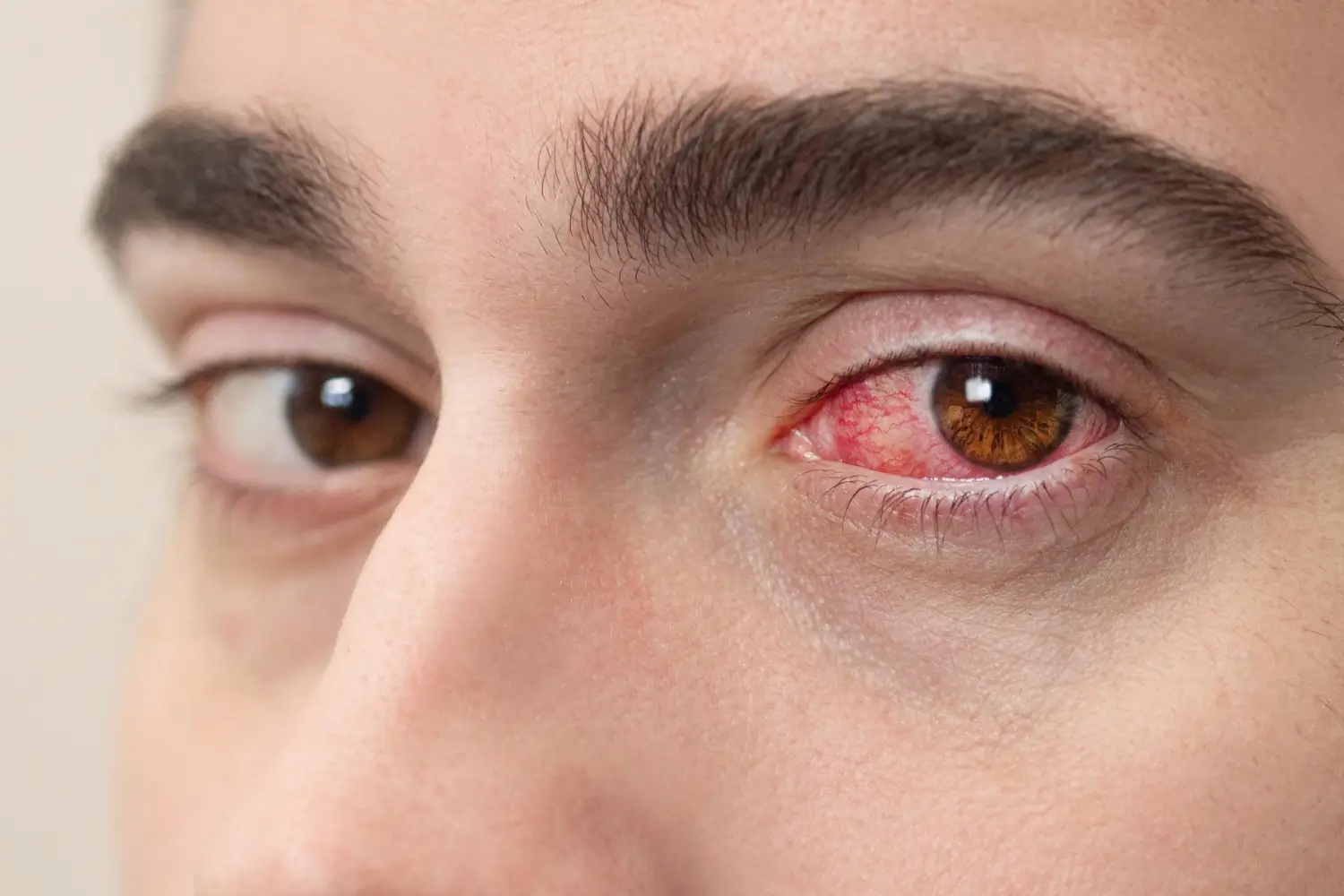
- Eye Redness (Hyperemia): The most frequently reported reaction, usually appearing early in treatment and often lessening with continued use.
- Itchy or Irritated Eyes: Mild itching or irritation may occur but usually subsides as the eyes adapt.
- Temporary Burning or Stinging: A brief sensation after applying the drops, lasting seconds to minutes before fading.
- Dryness and Increased Tearing: Some patients notice drier eyes, while fewer report extra tearing. Both usually improve as tolerance builds.
- Minor Eyelid Changes: Slight darkening of the eyelid skin may appear with long-term use, and less commonly, puffiness or periorbital edema. These changes are cosmetic and often reverse once treatment stops.
2025 Evidence on Bimatoprost Tolerability and Eye Redness
Recent clinical evidence further highlights the importance of tolerability when using bimatoprost. In a Phase III randomized study of 466 patients with glaucoma or ocular hypertension, preservative-free bimatoprost 0.01% provided IOP-lowering efficacy comparable to preserved bimatoprost while producing fewer treatment-related ocular adverse events. Ocular adverse events occurred in 28.1% versus 34.8% of patients, respectively, while conjunctival hyperemia at Week 2 occurred in 54.8% versus 63.2%. These findings suggest that formulation can influence ocular tolerability without compromising IOP-lowering efficacy.[5]
One notable cosmetic shift with prolonged bimatoprost use is prostaglandin-associated periorbital lipodystrophy, which can create a sunken appearance around the eye sockets. Fortunately, modern aesthetic medicine offers highly effective countermeasures. Hyaluronic acid dermal fillers like Stylage® or Teosyal® injectables can be used precisely to restore lost volume, instantly counteracting under-eye hollowness and smoothing the periorbital profile.
Less Common and Rare Side Effects of Lumigan
While most patients tolerate Lumigan (bimatoprost) well, some side effects are less frequent but deserve closer attention. These may be cosmetic, visual, or systemic.

- Iris Pigmentation Changes: With prolonged use, the iris may gradually darken, particularly in patients with mixed-color eyes.[1] This effect is permanent but does not usually impact vision.
- Macular Edema Affecting Vision: In rare cases, fluid buildup in the central retina may occur. Risk is higher in patients with conditions like aphakia, pseudophakia with a torn posterior lens capsule, or a prior history of macular edema. This complication requires immediate evaluation by an eye specialist.
- Eyelid Swelling or Thickening: Some users develop thickened eyelid skin or darkening around the eyelids. These are primarily cosmetic concerns but are worth discussing at follow-up visits.
- Chronic Eye Irritation: Persistent discomfort, burning, or itching beyond the first few weeks should prompt further assessment.
- Rare Systemic Symptoms: Though uncommon, some patients report headache, dizziness, or flu-like symptoms (generalized aches, fatigue). These usually resolve with dose adjustments or discontinuation.
Because these effects may persist or impact vision, early reporting of unusual or ongoing symptoms is critical for safe management.
Onset, Duration, and Reversibility of Lumigan Side Effects
The timing and persistence of Lumigan’s side effects vary from person to person. Common early effects, generally eye changes, include red eyes, irritation, or burning/stinging often appear within the first few days of use. Fortunately, many of these diminish after several weeks as the body adjusts.
Cosmetic changes like eyelash growth or eyelid darkening develop gradually over several months. These are generally reversible once you stop treatment. In contrast, iris color changes are permanent. More serious issues such as macular edema require prompt diagnosis and care to protect vision.
Typical Timelines

- Early Onset: Eye redness, irritation, burning, or stinging
- Gradual Onset: Eyelash growth, eyelid skin darkening
- Potentially Permanent: Iris pigmentation changes
- Reversible: Dryness, tearing, mild irritation, cosmetic eyelid changes
Understanding these patterns helps patients and providers anticipate what may occur and make timely adjustments if needed. Both brand-name and Lumigan generic versions follow the same safety profile, so patients can expect consistent monitoring recommendations regardless of the formulation.
Monitoring and Management Strategies for Lumigan Side Effects
Managing side effects is a key part of long-term glaucoma care.[2] Most patients can continue using Lumigan with the right support and adjustments. Providers may suggest strategies such as:
- Scheduling routine eye exams to track intraocular pressure and monitor for early signs of side effects.
- Using lubricating eye drops to ease dryness or irritation.
- Adjusting dose timing (such as applying drops before bedtime) to reduce noticeable redness.
- Considering alternative medications if discomfort persists despite supportive care.
- Promptly addressing rare but serious complications, including sudden vision changes or macular edema.
These steps and information help patients keep benefiting from Lumigan’s pressure-lowering effects while minimizing risks to comfort and vision.
Conclusion
Lumigan (bimatoprost) eye drop is a highly effective treatment for lowering intraocular pressure in patients with glaucoma or ocular hypertension. While side effects range from common and temporary (eye redness, dryness, mild irritation) to rare and more serious (iris color change, macular edema), most are manageable with proper follow-up and support.
Only a small percentage of patients require therapy changes due to intolerance. With regular monitoring, early symptom reporting, and tailored management strategies, Lumigan remains a safe and practical option for long-term vision preservation.
FAQs
1. What side effects are most common with Lumigan?
The most frequently reported are eye redness, mild irritation, and dryness. These usually appear in the first few weeks and lessen as the eyes adjust.
2. Can Lumigan cause eyelash changes?
Yes. Over several months, some patients notice longer, thicker, or darker eyelashes. These changes are usually reversible once the drops are stopped.
3. Are systemic reactions possible?
Although uncommon, some people may experience headache, dizziness, or flu-like symptoms. If these persist, it’s best to discuss with a healthcare provider.
4. Will iris color changes go away?
No. If Lumigan causes the iris to darken, the change is permanent, even if treatment is discontinued.
5. How can dryness or discomfort be managed?
Artificial tears, changing the time of application, or switching medications under a doctor’s guidance can help reduce discomfort.
6. When should I contact my doctor?
Seek medical attention right away for sudden vision changes, severe eye pain, or swelling around the eyes.
7. Do side effects improve over time?
Yes. Many mild effects, such as redness or irritation, improve naturally as the eyes get used to the medication.
Citations
[1] Cleveland Clinic. Iris of the Eye: Definition, Anatomy & Common Conditions. Cleveland Clinic, 20 Feb. 2022. Accessed 6 Oct. 2026. https://my.clevelandclinic.org/health/body/22502-iris.
[2] Eye Care Specialists: Types of Eye Doctors & What They Treat. Cleveland Clinic. Accessed 6 Oct. 2026. https://my.clevelandclinic.org/health/articles/8607-eye-care-specialists.
[3] Senjam, S. S. “Glaucoma Blindness—A Rapidly Emerging Non-Communicable Ocular Disease in India: Addressing the Issue with Advocacy.” Journal of Family Medicine and Primary Care, vol. 9, no. 5, 2020, pp. 2200–06. doi:10.4103/jfmpc.jfmpc_111_20.
[4] Berger, K. “Lumigan (Bimatoprost): Uses, Side Effects, Interactions, Pictures, Warnings & Dosing.” WebMD. https://www.webmd.com/drugs/2/drug-20663/lumigan-ophthalmic-eye/details.
[5] Lumigan Side Effects: Common, Severe, Long Term. Drugs.com. https://www.drugs.com/sfx/lumigan-side-effects.html.
[6] Miller-Ellis, E., J. H. Peace, D. G. Day, et al. “Safety and Efficacy of a Preservative-Free Bimatoprost 0.01% Ophthalmic Gel: Results From a Phase III Controlled Trial.” Journal of Glaucoma, vol. 34, no. 11, 2025, pp. 880–87. doi:10.1097/IJG.0000000000002628.
Sourcing and accuracy for this article follow our Editorial policy: claims are cross-checked against clinical literature, regulatory filings, and manufacturer specifications before anything is published