

SHARE THIS ARTICLE
Dysport
What Is in Dysport?
Sep 16, 2025
As we age, our skin gradually loses its firmness. This happens in part because the body produces less collagen and elastin, two proteins that keep the skin smooth and resilient. Sun exposure, pollution, and everyday stress can speed up this process, leading to fine lines, wrinkles, and a loss of elasticity over time.
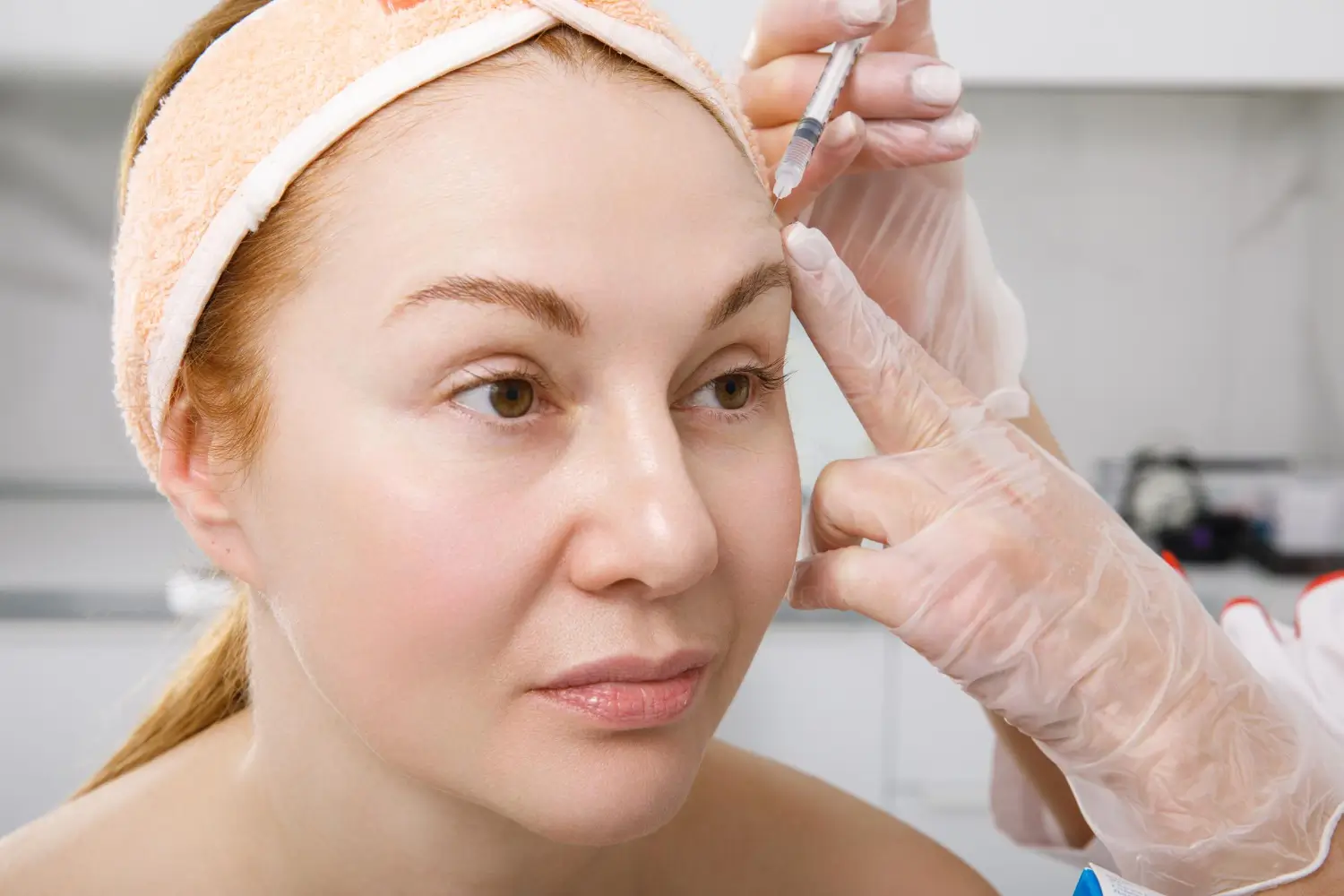
In aesthetic medicine, several options can address these visible signs of aging. One popular option is Dysport, a botulinum toxin type A injectable that temporarily relaxes the muscles that cause expression lines. But beyond its wrinkle-reducing results, many patients and professionals want to know what’s in Dysport—and how its ingredients work together.
In this article, we’ll break down what is in Dysport, explain the purpose of each ingredient, and explore how the formulation contributes to its clinical performance, safety, and results.
Key Takeaways
- Dysport’s active ingredient is abobotulinumtoxinA, a botulinum toxin type A that relaxes targeted facial muscles to reduce wrinkles and treat muscle-related conditions.
- Dysport blocks nerve signals that cause repeated facial movements, helping to smooth expression lines like frown lines and forehead creases.
- The formulation also includes accessory proteins, human serum albumin, and lactose, which help stabilize and preserve the product until it’s administered.
- Some studies suggest Dysport may diffuse more broadly than other botulinum toxin products, which can be useful when treating wider areas—but proper technique is key to avoiding unwanted spread.
- Unlike Botox or Xeomin, Dysport uses its own unique unit system, and doses are not interchangeable. Trained professionals should always make dosing decisions.
- While rare, immunogenicity (the development of resistance due to antibodies) can occur. Following proper dosing intervals reduces this risk.
- Dysport has a strong safety profile for both cosmetic and therapeutic uses when administered by experienced providers.
About: Trusted by over 2,000+ global clients since 2014, Direct Doctor Supply has become a leading supplier of cosmetic, skincare, and orthopedic products for medical and aesthetic professionals. Direct Doctor Supply offers a wide range of authentic brand-name products at competitive wholesale prices, sourced from around the world.
The Active Ingredient: AbobotulinumtoxinA in Dysport
AbobotulinumtoxinA is the active ingredient in Dysport, a purified form of botulinum toxin type A.[1] This neurotoxin blocks the release of acetylcholine, a chemical messenger that triggers muscle contractions. When these signals are interrupted, the targeted muscle relaxes, helping soften expression lines and manage medical conditions involving muscle overactivity.

The strength of abobotulinumtoxinA in Dysport is measured in unique units specific to this formulation. These units are not interchangeable with those used in products like Botox or Xeomin, which is important when converting doses or transitioning between treatments. Misunderstanding unit differences can affect both safety and results.
Dysport’s formulation supports both cosmetic and therapeutic outcomes, allowing experienced providers to adjust dosing for precise, consistent results. For practitioners, clinics, and consumers looking to purchase Dysport online, Direct Doctor Supply offers convenient access to authentic Dysport products for professional use.
Role of Accessory Proteins and Excipients in Dysport Formulation
Understanding what is in Dysport helps explain how its accessory proteins and excipients contribute to the product’s stability and delivery.
Key Components
- Hemagglutinin and Non-toxic Proteins: These are part of the neurotoxin complex and contribute to stability during manufacturing and storage. While they do not directly affect the treatment result, they help maintain the formulation’s integrity.
- Human Serum Albumin: This protein stabilizes the neurotoxin during transport and storage, helping maintain its structure and effectiveness until use.
- Lactose: Used as a bulking agent, lactose supports consistent dosing by helping preserve the formulation’s uniformity and shelf stability.
While these ingredients don’t smooth wrinkles, they help keep the product stable, safe, and effective until injection.
Clinical Implications: Immunogenicity and Diffusion of Dysport
Dysport’s formulation has unique clinical implications, particularly regarding immunogenicity and diffusion.

- Immunogenicity refers to the potential for the body to develop antibodies against botulinum toxin. These antibodies may reduce treatment effectiveness over time. While accessory proteins are sometimes linked to this risk, current research shows that when Dysport is used at appropriate doses and intervals, the likelihood remains low.
- Diffusion describes how the product spreads after injection. Some studies suggest Dysport may diffuse more broadly than certain other botulinum toxin formulations, which can help treat larger areas like the forehead. However, the degree of diffusion depends on many factors, including dose, dilution, and injection technique.
2025 Study Update: Immunogenicity and Secondary Treatment Failure With Botulinum Toxin Type A
A 2025 systematic review and meta-analysis published in the European Journal of Neurology, titled “Systematic Review and Meta-Analysis of Secondary Treatment Failure and Immunogenicity With Botulinum Neurotoxin A in Multiple Indications,” analyzed 29 studies examining botulinum toxin type A formulations. The researchers found higher rates of secondary treatment failure and neutralizing antibody positivity with abobotulinumtoxinA and onabotulinumtoxinA than with incobotulinumtoxinA in certain indications. These findings highlight the importance of considering immunogenicity during long-term treatment, though risks varied by indication and testing method.[5]
Because these factors can affect results, trained providers must administer Dysport and understand its behavior and how to place it accurately.
Comparing Dysport’s Composition with Other Botulinum Toxins
While Dysport, Botox, and Xeomin are all botulinum toxin type A treatments, each has distinct formulations that may affect performance. For patients considering Dysport for wrinkles, understanding these differences can help providers tailor treatment to individual needs.
- Dysport: Contains abobotulinumtoxinA, human serum albumin, lactose, and accessory proteins. It is reported to diffuse more broadly in some patients, which can be useful for wider treatment zones. Its units are product-specific and cannot be directly compared to those in other neurotoxins.
- Botox: Uses onabotulinumtoxinA, with sodium chloride as an excipient and similar accessory proteins. It may produce more localized results, making it suitable for targeted areas when precision is key.
- Xeomin: Contains incobotulinumtoxinA and is free from accessory proteins, sometimes referred to as a “naked” formulation. This may reduce immunogenicity risk in certain patients.
Each product has strengths that may make it a better fit for specific goals. Providers often select based on treatment area, patient history, and how the product is expected to behave once injected.
Conclusion
Dysport is a carefully formulated injectable that combines abobotulinumtoxinA with stabilizing ingredients like accessory proteins, human serum albumin, and lactose. This blend supports both its performance and shelf stability, making it a reliable option in aesthetic and medical settings.
For patients considering Dysport treatment, understanding what’s in the product helps them feel more informed and confident in their decision. And for clinicians, knowing the details of its formulation, including how it may diffuse and how it compares to alternatives, is key to creating treatment plans that are both safe and effective.
FAQs
1. What is in Dysport?
The main ingredient is abobotulinumtoxinA, a type of botulinum toxin that relaxes targeted facial muscles.
2. Does Dysport contain proteins other than the toxin?
Yes. Dysport includes accessory proteins, human serum albumin, and lactose, which help stabilize and preserve the formulation.
3. How is Dysport different from Botox in composition?
Dysport contains abobotulinumtoxinA and lactose, while Botox uses onabotulinumtoxinA and sodium chloride. Their unit measurements and spread characteristics also differ.
4. Can Dysport cause the body to develop resistance?
In rare cases, the body may develop neutralizing antibodies, which can reduce effectiveness. However, this is uncommon when used appropriately.
5. Is Dysport considered safe for cosmetic use?
Yes. Dysport has been FDA-approved for glabellar lines and is used safely off-label by qualified providers for other areas of the face.
Citations
[1] Botulinum Toxin A – An Overview. ScienceDirect Topics. https://www.sciencedirect.com/topics/medicine-and-dentistry/botulinum-toxin-a. Accessed 22 Sept. 2026.
[2] Podgórska, A., A. Kicman, S. Naliwajko, M. Wacewicz-Muczyńska, and M. Niczyporuk. “Effect of Intake of Selected Nutrients on Skin Firmness and Elasticity in Women.” Frontiers in Nutrition, vol. 11, 2024. doi:10.3389/fnut.2024.1483678.
[3] Everett, J. S., and M. S. Sommers. “Skin Viscoelasticity.” Biological Research for Nursing, vol. 15, no. 3, 2012, pp. 338–46. doi:10.1177/1099800411434151.
[4] Dysport vs Botox: Key Differences and Effectiveness. Drugs.com. https://www.drugs.com/medical-answers/dysport-botox-difference-3124590/.
[5] Walter, Uwe, et al. “Systematic Review and Meta‐Analysis of Secondary Treatment Failure and Immunogenicity With Botulinum Neurotoxin A in Multiple Indications.” European Journal of Neurology, vol. 32, no. 8, Wiley, July 2025. doi:10.1111/ene.70289. Accessed 22 Sept. 2026.
Sourcing and accuracy for this article follow our Editorial policy: claims are cross-checked against clinical literature, regulatory filings, and manufacturer specifications before anything is published