Kisspeptin
Showing all 2 results
-
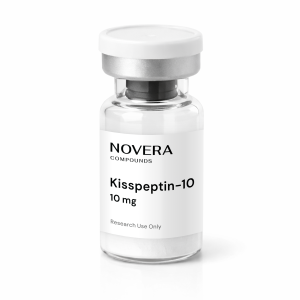

Kisspeptin 10mg
$ 55.00 Read More-+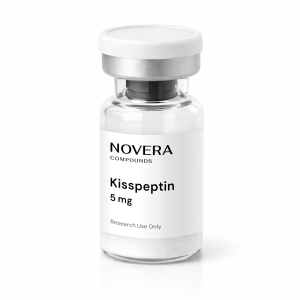
Kisspeptin 5mg
Read MoreKisspeptin is a KISS1-encoded hypothalamic neuropeptide that functions as a key upstream regulator of the reproductive axis, triggering pulsatile GnRH release and driving downstream testosterone production and fertility signaling. [1] Endocrinologists, reproductive medicine specialists, and men’s health clinicians evaluating HPG axis activation, testosterone support, and fertility protocols will find purity documentation, storage guidance, and sourcing support through the Direct Doctor Supply support team. The clinical guide below reviews its mechanism, reported research dosing, regulatory status, and comparator peptides relevant to sexual health research.
Does Kisspeptin Increase Testosterone? Sexual Health & Hormonal Overview
Kisspeptin is a neuropeptide encoded by the KISS1 gene, expressed in hypothalamic nuclei where it binds KISS1R (GPR54) receptors on GnRH neurons to initiate pulsatile GnRH secretion. [1] This triggers anterior pituitary release of LH and FSH, which regulate gonadal steroidogenesis — including testosterone synthesis in males and ovulatory function in females. [4] In research contexts, it is used primarily to evaluate hypothalamic reproductive control and HPG axis responsiveness, and is positioned one step upstream of Gonadorelin in the endocrine cascade.
Research findings indicate that kisspeptin can increase testosterone indirectly through this upstream HPG axis activation rather than direct gonadal stimulation. Human study evidence supports the mechanism: George et al. demonstrated that kisspeptin-10 administration produced significant LH elevation followed by testosterone increases within 30-60 minutes in healthy male subjects, with dose-dependent responses observed in controlled settings. [5] These are research findings and should not be interpreted as established clinical outcomes.
As a regulator of reproduction, kisspeptin is associated with puberty onset, fertility maintenance, and hormonal rhythmicity across the reproductive lifespan. [3] Reproductive signaling also differs between sexes and across cycles, which is clinically relevant when interpreting reproductive dysfunction and fertility responses across patient populations.
Emerging data suggest kisspeptin may modulate limbic system activity, including regions involved in reward processing, emotional regulation, and sexual motivation. [2] These are early human and preclinical observations and should not be interpreted as established clinical endpoints.
How Kisspeptin Works: KISS1R Binding & GnRH Stimulation
Kisspeptin binds KISS1R (GPR54) receptors on hypothalamic GnRH neurons, activating intracellular signaling pathways involving calcium mobilization and neuronal depolarization. [4] This induces pulsatile GnRH secretion into the hypophyseal portal system, which stimulates anterior pituitary gonadotrophs to release LH and FSH and regulate gonadal steroidogenesis and reproductive function.
Pulsatile physiology is biologically important in the reproductive axis. Human infusion studies suggest that kisspeptin responses may differ from the receptor desensitization seen with GnRH agonists — one review reports no desensitization observed over 22 hours of continuous kisspeptin infusion at receptor-saturating concentrations — though the clinical implications of continuous versus pulsatile dosing in applied research settings remain an active area of investigation. [2] Practitioners should evaluate administration timing based on the specific protocol and available study data rather than assuming direct equivalence with Gonadorelin dynamics.
Gonadal steroids exert negative feedback on hypothalamic kisspeptin neurons, suppressing kisspeptin expression and reducing GnRH output to stabilize endocrine homeostasis. [3] In hypogonadal states, reduced androgen feedback removes this inhibitory effect, increasing hypothalamic drive. This feedback loop is central to understanding endocrine recovery potential in reproductive axis dysfunction.
Distinction from Gonadorelin
Kisspeptin acts hypothalamically, stimulating endogenous GnRH release and preserving the full hypothalamic-pituitary cascade. Gonadorelin bypasses the hypothalamus and acts directly on pituitary GnRH receptors. [1] These are complementary intervention points within the same axis, with different clinical rationales depending on where dysfunction originates.
Kisspeptin Peptide Benefits and Reported Research Dosing
Research into kisspeptin peptide activity focuses on HPG axis activation, LH and testosterone stimulation, and reproductive function. Human study data confirm endocrine responses following administration, supporting its role as an upstream hypothalamic regulator, though these findings remain investigational. [5]
Emerging findings suggest kisspeptin may modulate limbic circuits involved in sexual motivation and mood. [2] These remain early human and preclinical observations and should not be interpreted as established clinical endpoints.
In studies of hypogonadotropic conditions, early human data suggest kisspeptin may support restoration of reproductive signaling by reactivating upstream hypothalamic control mechanisms. Fertility outcomes in this context remain investigational.
Reported Research Dosing
No approved clinical dosing protocol exists for kisspeptin. Human studies have referenced intravenous doses ranging from 0.3-10 nmol/kg, with values varying by protocol, route, and study objective. [5] Subcutaneous protocols are experimental and extrapolated from research data; they do not represent a recognized clinical standard. Administration timing should follow the specific study protocol being referenced, with individualized clinical assessment guiding any applied use.
Handling and Storage
Handle and store according to the supplier’s stability data and lot-specific certificate of analysis. Refrigeration and light protection are commonly recommended, but stability varies by product. Verify HPLC purity and endotoxin documentation when evaluating supplier documentation.
Kisspeptin Safety, Side Effects & Legal Status
Kisspeptin is generally well tolerated in controlled human research settings. Reported adverse events include:
- Transient LH and FSH elevation
- Mild injection-site reactions
- Occasional nonspecific symptoms such as headache or nausea
Human safety data are limited to short-duration clinical studies. Long-term endocrine effects, including sustained hypothalamic or pituitary adaptations, remain insufficiently characterized and represent an ongoing evidence gap.
Pulsatile physiology is important in the reproductive axis, and practitioners should follow the administration approach specified in the research protocol being referenced. The clinical implications of continuous versus pulsatile kisspeptin administration differ from those of GnRH agonists and should not be assumed equivalent. [2]
Current Regulatory Status
- United States: Kisspeptin is not FDA-approved for therapeutic use. Verify current research-use status before procurement.
- Australia: Kisspeptin is not approved for general therapeutic use in Australia. Verify current compounding availability before use.
- WADA: Kisspeptin is not currently listed on the WADA Prohibited Substances List. Athletes and prescribers should verify current status with the latest Prohibited List, as classifications are subject to periodic updates.
Kisspeptin vs Gonadorelin & Oxytocin
versus Gonadorelin
Kisspeptin and Gonadorelin target different intervention points in the HPG axis. Kisspeptin acts hypothalamically, stimulating endogenous GnRH release and preserving the full hypothalamic-pituitary signaling cascade. [1] Gonadorelin bypasses the hypothalamus and acts directly at the pituitary level, replacing the GnRH signal rather than triggering it. Kisspeptin is the more relevant approach when restoring upstream hypothalamic function is the research goal; Gonadorelin is more appropriate when direct pituitary-level GnRH replacement is needed. These are complementary rather than competing tools and may be applicable at different stages of HPG axis research.
versus Oxytocin
Kisspeptin and Oxytocin address distinct clinical problems within the broader sexual health peptide category. Kisspeptin provides HPG axis hormonal support, driving testosterone production and reproductive function through upstream hypothalamic signaling. Oxytocin functions as a neuropeptide modulating bonding, prosocial behavior, stress response, and aspects of sexual function, with no HPG axis engagement or testosterone support. [6] Kisspeptin is more relevant for presentations rooted in hormonal axis dysregulation and testosterone deficiency; Oxytocin is more relevant for sexual function, intimacy, and stress-related presentations. They are distinct tools serving different research needs within the same broad category.
How Can Practitioners Source or Buy Kisspeptin for Research?
Research-grade Kisspeptin is available to qualified, licensed medical professionals only. When evaluating suppliers, practitioners should confirm:
- Certificates of analysis (CoA) with batch-specific purity data
- LOT number traceability
- Endotoxin and sterility testing documentation
- Lot-specific stability data and storage recommendations
Direct Doctor Supply provides sourcing guidance and documentation support to help licensed practitioners identify verified research-grade suppliers. Those looking to buy Kisspeptin online or explore wholesale purchasing options are encouraged to contact the Direct Doctor Supply support team for sourcing direction. When buying online, verification of CoAs and supplier reliability is standard due diligence, and practitioners who want to check for wholesale buying options can reach the Direct Doctor Supply support team directly.
FAQs
1. What is Kisspeptin and what does it do?
Kisspeptin is a KISS1-encoded endogenous neuropeptide expressed in hypothalamic nuclei that binds KISS1R (GPR54) receptors on GnRH neurons, triggering pulsatile GnRH release and downstream LH and FSH secretion. [1] It functions as a key upstream regulator of reproduction and is used in research contexts to evaluate hypothalamic HPG axis function. No approved therapeutic formulation currently exists.
2. Does Kisspeptin increase testosterone?
Research findings indicate that kisspeptin can increase testosterone indirectly. KISS1R activation triggers pulsatile GnRH release, which stimulates pituitary LH secretion and downstream Leydig cell testosterone synthesis. Human study data demonstrate LH and testosterone elevation following kisspeptin-10 administration in healthy male subjects, with dose-dependent responses in controlled settings. [5] These remain research findings rather than established clinical outcomes.
3. What is the reported research dosing for Kisspeptin?
No approved clinical dosing protocol exists. Human studies have referenced intravenous doses of 0.3-10 nmol/kg, with values varying by protocol, route, and study objective. [5] Subcutaneous protocols are experimental and extrapolated from research data. Administration timing should follow the specific study protocol, with all dosing clinician-guided and individually assessed.
4. How does Kisspeptin differ from Gonadorelin?
Kisspeptin acts at the hypothalamic level, stimulating endogenous GnRH release and preserving the full hypothalamic-pituitary cascade. [1] Gonadorelin acts at the pituitary level, replacing GnRH directly and bypassing hypothalamic regulation entirely. These represent different HPG axis intervention points with distinct research rationales.
5. Is Kisspeptin legal, and what are the side effects?
Kisspeptin is not FDA-approved for therapeutic use and is not approved for general therapeutic use in Australia. As of 2026, it is not listed on the WADA Prohibited Substances List, though athletes and prescribers should verify current status with the latest Prohibited List. Side effects reported in human studies are generally mild and transient, including injection-site reactions and temporary hormonal fluctuations.
Sources
- Skorupskaite K, George JT, Anderson RA. The kisspeptin-GnRH pathway in human reproductive health and disease. Hum Reprod Update. 2014;20(4):485-500. doi:1093/humupd/dmu009
- Anderson RA, Millar RP. The roles of kisspeptin and neurokinin B in GnRH pulse generation in humans, and their potential clinical application. J Neuroendocrinol. 2022;34(5):e13081. doi:1111/jne.13081
- Pinilla L, Aguilar E, Dieguez C, Millar RP, Tena-Sempere M. Kisspeptins and reproduction: physiological roles and regulatory mechanisms. Physiol Rev. 2012;92(3):1235-1316. doi:10.1152/physrev.00037.2010
- Clarke H, Dhillo WS, Jayasena CN. Comprehensive Review on Kisspeptin and Its Role in Reproductive Disorders. Endocrinol Metab (Seoul). 2015;30(2):124-141. doi:10.3803/EnM.2015.30.2.124
- George JT, Veldhuis JD, Roseweir AK, et al. Kisspeptin-10 is a potent stimulator of LH and increases pulse frequency in men. J Clin Endocrinol Metab. 2011;96(8):E1228-E1236. doi:10.1210/jc.2011-0089
- Lawson EA. Understanding oxytocin in human physiology and pathophysiology: A path towards therapeutics. Compr Psychoneuroendocrinol. 2024;19:100242. Published 2024 May 28. doi:10.1016/j.cpnec.2024.100242
For licensed medical professionals only. This content is for informational purposes only and does not constitute medical advice.
Content prepared by Direct Doctor Supply’s editorial team.
Sourcing and accuracy for this page follow our Editorial Policy: claims are cross-checked against clinical literature, regulatory filings, and manufacturer specifications before anything is published.