Oxytocin
Showing all 2 results
-
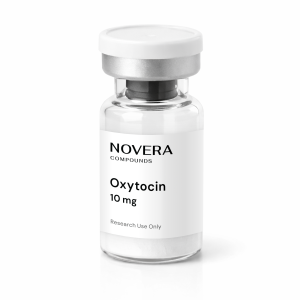

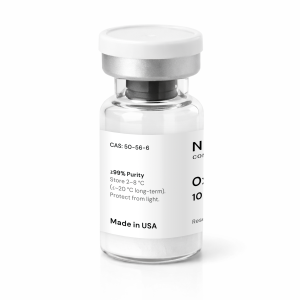
Oxytocin 10mg
$ 60.00 Read More-+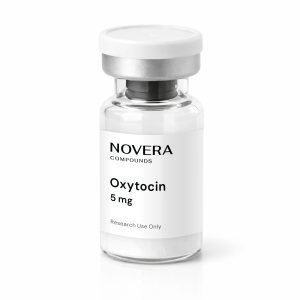
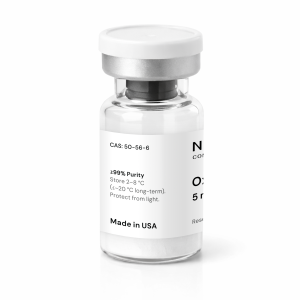
Oxytocin 5mg
$ 44.00 Read More-+Oxytocin is a naturally occurring nonapeptide hormone produced in the hypothalamus and released from the pituitary gland, with roles spanning sexual function, social bonding, stress modulation, and reproductive physiology. Reproductive medicine specialists, endocrinologists, and men’s and women’s health clinicians evaluating oxytocin peptide for bonding, hormonal, and sexual health protocols will find a full clinical overview in the guide below. Practitioners seeking sourcing direction for research-grade oxytocin may contact the Direct Doctor Supply support team for guidance and documentation support.
Oxytocin Peptide: What It Is, What It Does & How It Works
Oxytocin is a nonapeptide hormone consisting of nine amino acids, synthesized in the hypothalamus and released from the posterior pituitary gland into systemic circulation. It functions as both a sexual health and hormonal peptide, with biological roles in bonding, stress regulation, sexual function, childbirth, and lactation. Oxytocin acts through oxytocin receptors (OXTRs) distributed throughout the brain, uterus, mammary tissue, and gonads. Clinicians continue to evaluate both FDA-approved obstetric uses and off-label applications related to social behavior, stress modulation, and sexual health. [1]
Is Oxytocin a Peptide Hormone?
Yes. Oxytocin is a nonapeptide hormone — nine amino acids — produced in the hypothalamus and released from the posterior pituitary gland. The term “oxytocin peptide” is scientifically accurate and reflects terminology used across clinical, pharmaceutical, and research settings. Oxytocin belongs to a broader family of neuropeptides involved in endocrine and neurological regulation. [1]
What Does Oxytocin Peptide Do?
Oxytocin’s biological effects are mediated primarily through binding to oxytocin receptors (OXTRs) distributed throughout the brain, uterus, mammary tissue, gonads, and other peripheral tissues. [1]
Activation of oxytocin receptors contributes to:
- Social bonding and attachment
- Sexual arousal and partner interaction effects in studied populations [2]
- Stress modulation, including cortisol suppression when combined with social support [3]
- Maternal behaviors
- Lactation physiology
- Uterine contractions during labor [4]
Human studies suggest oxytocin may influence cortisol responses during stress, though the magnitude and clinical relevance vary across populations and study designs. [3]
Hypothalamic and Pituitary Release
Oxytocin release is triggered by a range of physiological and social stimuli. Touch, sexual activity, orgasm, childbirth, breastfeeding, and social bonding behaviors can all increase plasma oxytocin concentrations. [1]
Neural signaling can both stimulate and inhibit oxytocin release depending on the physiological context, helping maintain hormonal balance while coordinating reproductive and social behaviors.
An additional feature of oxytocin biology is its release from the dendrites of hypothalamic neurons. Unlike traditional endocrine signaling, dendritic release allows oxytocin to influence neighboring neural circuits through volume transmission, affecting social cognition, emotional processing, and bonding behaviors. [1]
Corpus Luteum and Reproductive Physiology
Oxytocin signaling extends beyond the central nervous system. Research has identified oxytocin receptors in the corpus luteum, suggesting a potential role in regulating the reproductive cycle and luteal-phase physiology. [1] While this area continues to evolve, receptor expression in reproductive tissues reinforces oxytocin’s broader role in reproductive endocrinology.
Oxytocin Acetate Peptide
Clinicians may encounter the term oxytocin acetate peptide. This refers to the acetate salt form commonly used in pharmaceutical manufacturing, utilized in injectable and intranasal formulations for stability and formulation reasons.
What Is Oxytocin Peptide Used For? Clinical Applications
Oxytocin occupies a distinct position within sexual health, reproductive medicine, and neuroendocrinology, with applications ranging from well-established obstetric indications to investigational protocols focused on social and behavioral outcomes.
Approved Obstetric Applications
The strongest evidence base for oxytocin comes from FDA-approved obstetric indications. Products such as Pitocin and Syntocinon are used for: [4]
- Induction of labor
- Augmentation of labor
- Management of postpartum hemorrhage
These applications are supported by extensive clinical data and represent approved therapeutic uses. They are distinct from off-label research applications and should not be conflated.
Off-Label Clinical Interest
Beyond obstetrics, practitioner-directed protocols have explored potential roles in sexual health, relationship bonding, stress modulation, social functioning, and anxiety-related conditions. Research has associated low plasma oxytocin levels with social withdrawal, anhedonia, and diminished sexual function, generating interest in supplementation and receptor-targeted interventions, though causality remains difficult to establish. [1]
Evidence for oxytocin peptide benefits stratifies as follows:
Human RCT evidence:
- Sexual arousal and orgasm intensity effects observed in some studied populations [2]
- Cortisol suppression and reduced subjective stress responses when combined with social support [3]
Early human data:
- Improved social engagement
- Potential enhancement of emotional recognition
Preclinical evidence:
- Modulation of anxiety-related behaviors
- Effects on social bonding pathways
- HPA axis regulation
Practitioner-reported observations:
- Support for relationship-focused protocols
- Adjunctive use in sexual wellness programs
Evidence strength varies substantially across indications and should not be viewed as equivalent across tiers.
Oxytocin Peptide Dosage for Men & Women
Dosing discussions must distinguish FDA-approved obstetric administration from off-label practitioner-directed protocols. All off-label dosing below is practitioner-reported and research-extrapolated, not clinically validated by a regulatory authority for these applications.
Oxytocin Peptide for Men (Dosage and Usage)
Oxytocin receptors are present in men and participate in social bonding, emotional regulation, and sexual function. Research and practitioner-reported applications have explored oxytocin in men for sexual wellness, relationship bonding, stress modulation, and social functioning. [1][2]
Practitioner-reported approaches for men commonly involve intranasal administration of approximately 20–40 IU before planned activity. Subcutaneous administration has been reported but remains less well established in the published literature. All off-label dosing should be regarded as practitioner-reported rather than a validated clinical standard. [2]
Oxytocin Peptide Dosage for Women
For off-label applications in women, practitioner-reported intranasal protocols similarly reference doses of 20–40 IU. Obstetric intravenous administration follows FDA-approved protocols that differ substantially from off-label applications and should not be compared directly. [4]
Available Delivery Formats
Oxytocin peptides may be encountered in the following forms:
- Intranasal spray (most common for off-label research use)
- Subcutaneous injectable formulations
- Intravenous administration (obstetric use only)
Storage Considerations
Pharmaceutical-grade oxytocin generally requires refrigeration. Storage requirements vary by formulation and manufacturer specifications. [4] Practitioners evaluating research-grade suppliers should prioritize products with documented stability information and quality assurance procedures.
Professionals researching how to purchase oxytocin peptide for institutional or research use, including those checking for wholesale supply options, should verify that supplier documentation includes batch testing records and cold-chain compliance before finalizing any sourcing decisions.
Oxytocin Peptide Side Effects & Safety
The safety profile of oxytocin depends on factors including route of administration, dosage, treatment duration, and individual patient characteristics.
Intranasal Administration
Intranasal oxytocin has generally demonstrated good tolerability in human studies under appropriate clinical supervision. [2][3]
Reported adverse effects may include:
- Mild nasal irritation
- Temporary headache
- Transient nasal discomfort
These effects are typically mild and resolve without intervention.
Injectable and Higher-Dose Administration
Injectable or higher-dose oxytocin administration may be associated with:
- Water retention
- Nausea
- Headache
In obstetric settings, excessive uterine stimulation can occur if oxytocin is administered inappropriately or at excessive doses. Use in labor induction or augmentation requires careful dosing and monitoring by qualified healthcare professionals. [4]
Endogenous Production Considerations
An area of ongoing investigation concerns whether chronic administration may inhibit oxytocin release through feedback mechanisms. While definitive human evidence remains limited, prolonged high-dose exposure has raised theoretical concerns regarding suppression of endogenous production. Healthcare professionals should communicate this uncertainty clearly when discussing investigational protocols.
Long-Term Safety
Current evidence suggests oxytocin is generally well tolerated at commonly studied intranasal doses. Long-term safety data for off-label subcutaneous administration remain limited, and this evidence gap should be acknowledged in any clinical discussion. When evaluating options to buy oxytocin peptide online, practitioners should confirm that product traceability, purity verification, and storage compliance meet institutional standards. [2]
Legal Status of Oxytocin Peptide
The regulatory status of Oxytocin varies according to its intended use, formulation, and jurisdiction. Healthcare professionals should distinguish between approved obstetric indications and practitioner-directed off-label applications when evaluating clinical protocols.
- United States: In the United States, oxytocin is FDA-approved for obstetric indications including labor induction, labor augmentation, and management of postpartum hemorrhage. [4] Applications involving sexual health, stress modulation, social bonding, or psychiatric protocols are considered off-label and require individualized practitioner oversight
- Australia: Oxytocin is classified as a Schedule 4 (Prescription Only Medicine) under the Poisons Standard. TGA-approved uses are primarily focused on obstetric applications. Compounded formulations intended for other purposes generally require a valid prescription and appropriate clinical justification.
- WADA Status: Oxytocin is not currently included on the World Anti-Doping Agency (WADA) Prohibited List. [5] (Current as of 2026. Anti-doping policies are periodically updated; competitive athletes should verify current WADA regulations before use.)
Compounding Considerations
Compounded oxytocin formulations may be available through licensed compounding pharmacies when clinically appropriate. Clinicians should verify current FDA guidance, applicable 503A compounding regulations, and formulation-specific requirements before prescribing or recommending compounded products, as regulatory requirements can evolve.
Oxytocin Peptide vs Selank & DSIP
Different peptides address stress physiology through distinct mechanisms. Comparing oxytocin with related compounds helps clarify the appropriate protocol to select.
Oxytocin Peptide vs Selank
Oxytocin exerts its effects primarily through oxytocin receptor signaling, promoting social bonding, sexual function, and modulation of the HPA axis — including cortisol suppression in the context of social support. [3] Selank, by contrast, is believed to act through enkephalinase inhibition and GABAergic pathways, producing anxiolytic and nootropic effects through a distinct neurochemical mechanism. Clinicians may favor oxytocin when social connection, relationship dynamics, or sexual wellness are the primary concern, while Selank may be the more appropriate choice when targeted anxiolytic or cognitive enhancement effects are the priority.
Combined protocols have been discussed for patients presenting with both social anxiety and broader stress-related symptoms, where complementary oxytocin receptor and GABAergic modulation may both be relevant.
Oxytocin Peptide vs DSIP
Oxytocin’s primary emphasis lies in bonding, reproductive physiology, sexual function, and cortisol modulation as a secondary mechanism. [3] DSIP is most commonly associated with regulation of sleep architecture and suppression of the HPA axis through sleep-related mechanisms. Oxytocin is more appropriate where social health, intimacy, and reproductive concerns are the dominant clinical presentation. DSIP may be favored when sleep disruption and nocturnal HPA dysregulation are the primary issues.
In selected cases, both may be addressed within comprehensive stress and recovery protocols, in which sleep restoration and social or sexual functioning are concurrent objectives.
Sourcing Research-Grade Oxytocin Peptide: Guidance for Licensed Professionals
Research-grade oxytocin peptide is available only to qualified licensed professionals. Practitioners considering where to buy oxytocin peptide wholesale for institutional or clinical research purposes should prioritize suppliers that can provide verifiable purity documentation, including a certificate of analysis (CoA), LOT number traceability, and independent third-party testing results.
Sourcing from unverified vendors carries meaningful risks: inconsistent peptide concentrations, inadequate cold-chain compliance, and absent batch documentation can all compromise research integrity. When evaluating options to buy oxytocin peptide online, researchers should confirm that the supplier’s documentation meets institutional requirements before finalizing any procurement decisions.
Practitioners seeking guidance on sourcing direction or documentation support may contact the Direct Doctor Supply support team. The support team can connect licensed professionals with verified research-grade suppliers and provide guidance on the documentation standards commonly required for institutional procurement.
FAQs
1. Is Oxytocin a peptide hormone?
Yes. Oxytocin is a nonapeptide hormone consisting of nine amino acids. It is produced in the hypothalamus and released from the posterior pituitary gland into systemic circulation. Oxytocin acetate is the pharmaceutical salt form used in injectable and intranasal formulations. [1]
2. What does the oxytocin peptide do?
Oxytocin binds to oxytocin receptors (OXTRs) located throughout the brain, reproductive organs, mammary tissue, and other tissues. Its effects include social bonding, modulation of the HPA axis, sexual function, lactation, and uterine contractions. Evidence strength varies according to the specific outcome being evaluated. [1][2][3]
3. What is the oxytocin peptide used for?
FDA-approved applications include labor induction, labor augmentation, and postpartum hemorrhage management. Off-label and investigational uses include sexual health, stress regulation, social bonding, and selected psychiatric protocols. Evidence quality differs significantly across these indications and should be stratified accordingly. [1][4]
4. Can men take Oxytocin peptide?
Yes. Oxytocin receptors are present in men and participate in social behavior, emotional regulation, and sexual function. Practitioner-reported protocols commonly utilize intranasal administration, though standardized non-obstetric dosing guidelines do not currently exist. [1][2]
5. What is the Oxytocin peptide dosage for men and women?
Practitioner-reported off-label intranasal protocols commonly reference doses of 20–40 IU for both men and women. FDA-approved obstetric dosing for women follows separate intravenous protocols and should not be compared directly with off-label applications. [2][4]
6. How does Oxytocin compare to Selank?
Oxytocin primarily influences bonding and social behavior through oxytocin receptor signaling and modulation of the HPA axis, including cortisol suppression in social support contexts. Selank acts through inhibition of enkephalinase and via GABAergic pathways associated with anxiety regulation and cognitive performance. The preferred option depends on the patient’s primary clinical concern, with combined protocols discussed for presentations involving both social anxiety and stress dysregulation. [3]
7. Is Oxytocin peptide legal?
Oxytocin is FDA-approved for specific obstetric indications in the United States and remains prescription-only in many jurisdictions. Off-label use may involve practitioner-directed prescribing and licensed compounding. Regulatory status should always be verified, as requirements may change. As of 2026, oxytocin is not included on the WADA Prohibited List, though athletes should confirm current status before use. [4][5]
Citations
- Gruson D. Oxytocin testing and reproductive health: Status and clinical applications. Clin Biochem. 2018;62:55-61. doi:1016/j.clinbiochem.2018.10.016
- Behnia B, Heinrichs M, Bergmann W, et al. Differential effects of intranasal oxytocin on sexual experiences and partner interactions in couples. Horm Behav. 2014;65(3):308-318. doi:1016/j.yhbeh.2014.01.009
- Heinrichs M, Baumgartner T, Kirschbaum C, Ehlert U. Social support and oxytocin interact to suppress cortisol and subjective responses to psychosocial stress. Biol Psychiatry. 2003;54(12):1389-1398. doi:10.1016/s0006-3223(03)00465-7
- Pitocin (oxytocin) injection, USP. Prescribing information. Food and Drug Administration. https://www.accessdata.fda.gov/drugsatfda_docs/label/2014/018261s031lbl.pdf
- World Anti-Doping Agency. The 2026 Prohibited List. https://www.wada-ama.org/en/resources/world-anti-doping-code-and-international-standards/prohibited-list
For licensed medical professionals only. This content is for informational purposes only and does not constitute medical advice.
Content prepared by Direct Doctor Supply’s editorial team.
Sourcing and accuracy for this page follow our Editorial Policy: claims are cross-checked against clinical literature, regulatory filings, and manufacturer specifications before anything is published.