Thymosin
Showing all 6 results
-
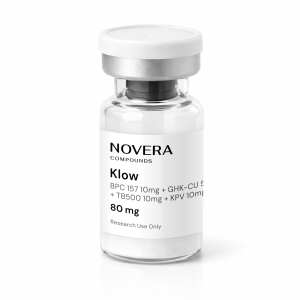

Klow BPC 157 10mg + GHK-CU 50mg + TB500 10mg + KPV...
$ 160.00 Read More-+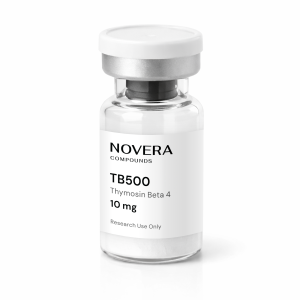
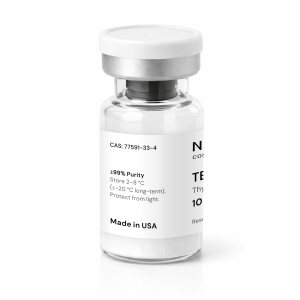
TB500 (Thymosin B4 Acetate) 10mg
$ 70.00 Read More-+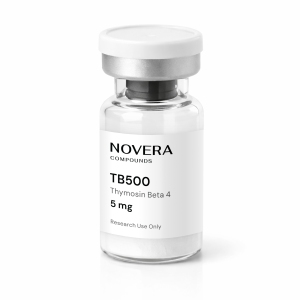
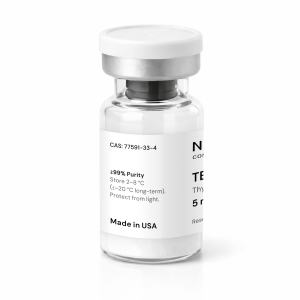
TB500 (Thymosin B4 Acetate) 5mg
Read More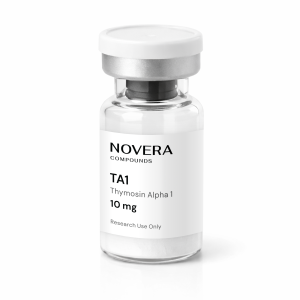
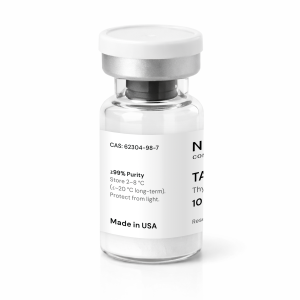
Thymosin Alpha-1
$ 100.00 Read More-+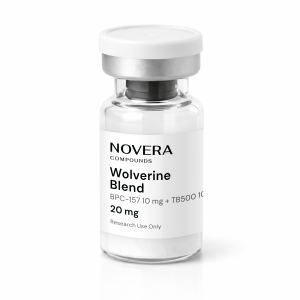
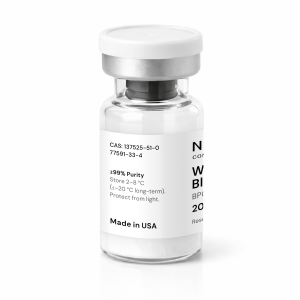
Wolverine Blend BPC-157 10mg + TB500 10mg
Read More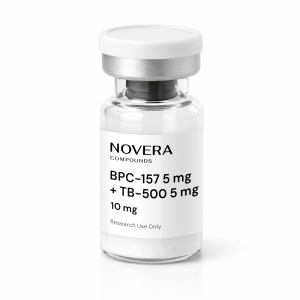
Wolverine Blend BPC-157 5mg + TB500 5mg
$ 70.00 Read More-+The term “Thymosin” refers to two distinct peptide families with different origins, mechanisms, and clinical applications: Thymosin Alpha-1 (Tα1), an immune and thymic peptide, and Thymosin Beta-4 (Tβ4), a healing and regenerative peptide. Immunologists, oncologists, infectious disease specialists, integrative medicine physicians, and compounding pharmacists evaluating either peptide family will find structured clinical overviews of each, including mechanisms, dosing considerations, safety profiles, and comparisons with related compounds, in the guide below. Practitioners seeking sourcing guidance or documentation support for Thymosin Alpha-1 or Thymosin Beta-4 may contact the Direct Doctor Supply support team.
Thymosin Alpha-1: Immune & Thymic Peptide — What It Is & How It Works
Thymosin is an umbrella term covering two distinct peptide families: Thymosin Alpha-1 (Tα1) and Thymosin Beta-4 (Tβ4). Thymosin Alpha-1 is recognized as an immune and thymic peptide, while Thymosin Beta-4 is associated with healing and regenerative processes. These peptides differ in their origins, mechanisms, and clinical applications and must be evaluated separately.
What Is Thymosin Alpha-1?
Thymosin Alpha-1 was originally identified in thymic tissue and is thymus-associated, where it plays a role in immune regulation [1]. It belongs to the immune and thymic peptide category and functions as a natural immune modulator rather than a direct immune stimulant [1].
Thymosin Alpha-1 is produced primarily by the thymus gland, making it one of the key thymus-derived immune peptides studied in clinical research. Tβ4, by contrast, is expressed ubiquitously throughout mammalian tissues and is not thymus-derived, which is a fundamental distinction between the two families.
Research has investigated Tα1 in infectious diseases including hepatitis B, hepatitis C, and HIV, as well as in oncology and immune-support settings [1]. Studies have explored its potential role as an adjunctive therapy in lung cancer management and in broader protocols addressing immune dysfunction and chronic fatigue syndrome [1]. In integrative medicine, the peptide has been discussed in educational programs associated with the American Academy of Anti-Aging Medicine.
Mechanism of Action
Thymosin Alpha-1 supports immune regulation through several complementary pathways. Studies indicate it promotes dendritic cell maturation and activity, enhances T-lymphocyte responses, and supports communication between innate and adaptive immunity [1]. It has also been shown to increase MHC class I antigen presentation, which may improve recognition of infected or abnormal cells [1].
Through these mechanisms, Tα1 contributes to a more effective immune response while helping maintain immune balance. Importantly, Thymosin Alpha-1 is studied as an adjunctive immunomodulator rather than a direct antiviral drug; its role in clinical research centers on supporting the body’s natural immune defenses alongside conventional treatment approaches [1].
Thymosin Beta-4: Healing & Regenerative Peptide — What It Is & How It Works
Thymosin Beta-4 (Tβ4) is a naturally occurring 43-amino-acid peptide and one of the most abundant intracellular peptides in mammalian tissues [2]. Unlike Thymosin Alpha-1, Tβ4 is not thymus-derived and is not classified as an immune or thymic peptide. It belongs to the healing and regenerative peptide category, with biological activity studied across regenerative medicine, wound care, orthopedic research, ophthalmology, and dermatology [2].
Mechanism of Action: Actin Regulation and Cellular Migration
The primary mechanism of Tβ4 involves the sequestration of G-actin monomers, which regulates actin polymerization and cytoskeletal organization [2], [4]. This process supports cell migration, proliferation, and tissue remodeling. During injury, efficient cellular movement is essential for wound closure and repair; by regulating actin dynamics, Tβ4 supports the coordinated migration of cells into damaged tissue [4].
The Role of Thymosin Beta-4 in Wound Healing
The role of Thymosin Beta-4 in wound healing has been extensively investigated in preclinical and early clinical research. Foundational work by Allan L. Goldstein and A. White first identified and characterized the thymosins, and subsequent studies helped establish thymosin beta-4’s role in wound healing [2], [7]. Preclinical studies have demonstrated that Tβ4 may promote [3]:
- Re-epithelialization and keratinocyte migration
- Angiogenesis and collagen deposition
- Cellular migration into damaged tissue
- Anti-inflammatory resolution
- Tissue remodeling
While promising findings exist across these areas, much of the evidence remains preclinical and additional human studies are needed before clinical conclusions can be drawn [3].
Hair Growth, Hair Loss and Follicle Regeneration
Preclinical studies suggest that Tβ4 may activate follicular stem cells and promote the transition to the anagen growth phase of the hair cycle, generating interest in regenerative dermatology and hair restoration research [2]. Current evidence remains largely experimental, and further clinical trials are needed before definitive conclusions can be drawn.
Repair and Regeneration Across Multiple Tissues
Research has explored Tβ4 across broader repair and regeneration applications, including [2], [4]:
- Skeletal muscle recovery
- Cardiac tissue repair
- Corneal healing
- Tendon and ligament regeneration
- Skin wound recovery
Most available evidence remains preclinical. The peptide’s ability to influence cellular migration and tissue remodeling through actin cytoskeletal remodeling continues to make it an active subject of research in regenerative medicine [4].
Does Thymosin Beta-4 Cause Cancer?
Current evidence does not establish human oncogenicity for naturally occurring Tβ4 [2]. Because the peptide participates in cellular migration and tissue repair, researchers have examined potential associations with tumor biology, and published literature includes mixed findings in this area. Available data do not support a definitive conclusion that Tβ4 is oncogenic in humans, but this remains an area of ongoing research requiring appropriate clinical caution.
Thymosin Alpha 1 Dosing & Beta-4 Dosage
Discussion of Thymosin Alpha-1 dosing should distinguish commonly reported study regimens from practitioner-reported protocols. For chronic hepatitis B, a commonly reported study regimen involves [5]:
- 6 mg administered subcutaneously
- Twice weekly
- For 6–12 months
This regimen is based on published clinical studies and has been cited in regulatory reviews [5]. It should be understood as a research-informed reference point rather than a universally approved protocol. Dosing practices outside this context vary significantly across practitioners and research settings. Practitioners evaluating options to buy Thymosin wholesale for multi-patient clinic protocols should confirm that supplier documentation covers the specific formulation and peptide variant being sourced.
Thymosin Beta-4 Dosage
No validated human dosing protocol for Thymosin Beta-4 currently exists. Practitioner-reported and experimental regimens are extrapolated from preclinical research and individualized clinical experience rather than formal regulatory approval [5]. Reported ranges commonly include:
- 5–20 mg weekly
- Administered subcutaneously or intramuscularly
All Tβ4 dosing must be understood as practitioner-reported and experimental, not a validated standard regimen.
Storage
Both peptides are commonly supplied as lyophilized powders, but storage requirements vary by formulation and should always be confirmed against product-specific documentation [5]. For lyophilized material, storage at approximately -20°C is a common handling convention rather than a universal rule across all formulations. Practitioners should consult manufacturer-specific instructions and formulation-specific stability data for both Tα1 and Tβ4 preparations [5].
Safety, Side Effects & Legal Status
Available clinical data indicate Tα1 is generally well tolerated [1]. Reported side effects are typically mild and may include injection site reactions, temporary redness, discomfort, or transient fatigue. Studies involving patients with chronic hepatitis B have not identified significant safety concerns, and serious adverse events have been uncommon in published trial data [1].
As for Tβ4, current evidence suggests it is generally well tolerated in preclinical settings, though its safety profile in humans is supported primarily by limited clinical studies [2]. Reported adverse effects have largely consisted of mild injection site reactions and temporary irritation. Substantially less human safety data are available compared with Tα1, and long-term outcomes have not been established.
Regulatory Status
Thymosin Alpha-1 is not FDA-approved as a finished drug product in the United States [5]. It has received regulatory approval in several countries, including China and Italy, for the treatment of chronic hepatitis B. Its compounding and bulk-substance status in the US should be verified against the current FDA 503A framework and any current FDA or HHS updates before clinical or procurement decisions are made [5].
Thymosin Beta-4 is not FDA-approved as a finished drug product [5]. Its compounding and bulk-substance status should likewise be verified against the current FDA 503A framework and any current FDA or HHS updates before use. Neither variant is TGA-approved in Australia. Practitioners should verify the current regulatory status of both peptides independently before making prescribing or procurement decisions, as regulatory classifications are subject to change.
WADA Considerations
Thymosin Beta-4 and its derivatives, including TB-500, are prohibited by WADA under S2 at all times [6]. Thymosin Alpha-1 is not currently listed under the same prohibition category. Because anti-doping regulations are periodically updated, athletes and sports medicine professionals should verify the current status of both peptides directly through the current WADA Prohibited List before use or administration [6].
Thymosin Beta-4 vs BPC-157
Thymosin Beta-4 and BPC-157 are both investigated for tissue repair but act through distinct mechanisms [2]. Tβ4 organizes cellular migration and wound closure at the actin level, driving the cellular architecture of tissue remodeling. BPC-157 is associated with angiogenesis via the VEGF and nitric oxide pathways, establishing the vascular supply that underpins tissue repair. Because these mechanisms target different aspects of healing, many practitioners view them as complementary: Tβ4 addresses the cellular migration layer while BPC-157 addresses the vascular foundation.
Before practitioners decide to buy BPC-157 for a wound-healing protocol, comparing it with Tβ4 in terms of mechanism and tissue context helps clarify where each compound is best positioned.
Thymosin Beta-4 vs GHK-Cu
Thymosin Beta-4 and GHK-Cu address different structural requirements within the healing and regenerative category [2]. Tβ4 promotes cell migration and wound closure through actin polymerization, driving the cellular movement required for tissue repair. GHK-Cu focuses on extracellular matrix support, collagen and elastin synthesis, and growth factor regulation, building the structural scaffold necessary for long-term tissue integrity.
For skin rejuvenation and collagen-focused applications, GHK-Cu may receive greater emphasis; Tβ4 may be more relevant when rapid cellular migration and tissue remodeling are primary goals. Practitioners looking to buy GHK-Cu alongside Tβ4 for a comprehensive regenerative protocol may contact the Direct Doctor Supply support team for sourcing guidance and documentation.
Sourcing Thymosin: Guidance for Licensed Practitioners
Both Thymosin Alpha-1 and Thymosin Beta-4 are research-grade compounds available only to qualified licensed medical professionals. Neither is available for general consumer purchase. Sourcing from verified suppliers with appropriate documentation standards is essential to ensure purity, stability, and batch consistency across both peptide families.
When evaluating suppliers, practitioners should confirm:
- A valid certificate of analysis (CoA) from an accredited third-party laboratory
- LOT number traceability for each batch
- Formulation-specific storage compliance and cold-chain integrity documentation
- Stability and handling data appropriate to the specific peptide and form
Practitioners seeking to buy Thymosin online or to identify verified research-grade suppliers for either Tα1 or Tβ4 may contact the Direct Doctor Supply support team for sourcing guidance and documentation. The support team can connect practitioners with suppliers meeting research-grade purity and traceability standards. For guidance on evaluating Thymosin sourcing options for both peptide variants, contact the Direct Doctor Supply support team directly.
FAQs
What is Thymosin — and what is the difference between Alpha-1 and Beta-4?
Thymosin refers to two distinct peptide families [1], [2]. Thymosin Alpha-1 is a 28-amino-acid thymus-associated immune modulator; Thymosin Beta-4 is a 43-amino-acid actin-sequestering healing peptide expressed ubiquitously throughout mammalian tissues. They differ in origin, mechanism, and clinical application and should not be conflated.
What is Thymosin Alpha-1 used for?
Thymosin Alpha-1 activates dendritic cells and T-lymphocytes to support an effective immune response [1]. Research has explored its role in infectious diseases including hepatitis B, C, and HIV, as a lung cancer immunotherapy adjunct, in chronic fatigue syndrome, and in integrative anti-aging protocols.
What is Thymosin Beta-4 used for — and does it cause cancer?
Thymosin Beta-4 is studied for wound healing, hair growth, and tissue repair through actin polymerization and cell migration [2], [3]. Current evidence does not establish human oncogenicity for naturally occurring Tβ4, though mixed findings exist and research is ongoing. Thymosin Beta-4 and its derivatives, including TB-500, are prohibited at all times under WADA S2 [6].
What is the dosing for Thymosin Alpha 1?
A commonly reported hepatitis B study regimen is 1.6 mg subcutaneously twice weekly for 6–12 months, treated as a research-informed reference point rather than a universal protocol [5]. Tβ4 practitioner-reported dosing ranges from 5–20 mg weekly via subcutaneous or intramuscular injection; no validated human protocol exists.
How does Thymosin Beta-4 compare to BPC-157?
Tβ4 promotes actin polymerization and cellular migration during wound closure; BPC-157 is associated with angiogenesis via VEGF and nitric oxide pathways [2]. The mechanisms are distinct and considered complementary in wound healing protocols.
How does Thymosin Beta-4 compare to GHK-Cu?
Tβ4 promotes cell migration and wound closure by regulating actin; GHK-Cu supports collagen synthesis and extracellular matrix formation [2]. The two peptides target different structural layers of tissue repair and may be combined in comprehensive healing protocols.
References
- Dominari A, Hathaway III D, Pandav K, et al. Thymosin alpha 1: A comprehensive review of the literature. World J Virol. 2020;9(5):67-78. https://pmc.ncbi.nlm.nih.gov/articles/PMC7747025/
- Goldstein AL, Hannappel E, Sosne G, Kleinman HK. Thymosin β4: a multi-functional regenerative peptide. Basic properties and clinical applications. Expert Opin Biol Ther. 2012;12(1):37–51. https://pubmed.ncbi.nlm.nih.gov/22074294/
- Malinda KM, Sidhu GS, Mani H, et al. Thymosin beta4 accelerates wound healing. J Invest Dermatol. 1999;113(3):364-368. doi:10.1046/j.1523-1747.1999.00708.x
- Kim S, Kwon J. Thymosin β4 has a major role in dermal burn wound healing that involves actin cytoskeletal remodelling via heat-shock protein 70. J Tissue Eng Regen Med. 2017;11(4):1262-1273. doi:10.1002/term.2028
- S. Food and Drug Administration. Thymosin Alpha-1 (Tα1) related bulk drug substances. 2024. https://www.fda.gov/media/183892/download
- World Anti-Doping Agency. International Standard Prohibited List 2026. https://www.wada-ama.org/sites/default/files/2025-09/2026list_en_final_clean_september_2025.pdf
- Goldstein AL. History of the discovery of the thymosins. Ann N Y Acad Sci. 2007;1112:1-13. doi:10.1196/annals.1415.045
All content on this website is intended for informational purposes and does not constitute medical advice.
Content prepared by Direct Doctor Supply’s editorial team.
Sourcing and accuracy for this page follow our Editorial Policy: claims are cross-checked against clinical literature, regulatory filings, and manufacturer specifications before anything is published.