BPC-157
Showing all 8 results
-
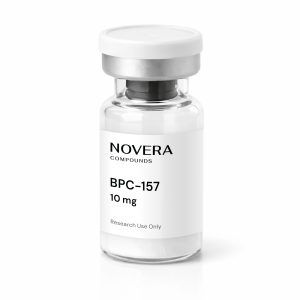

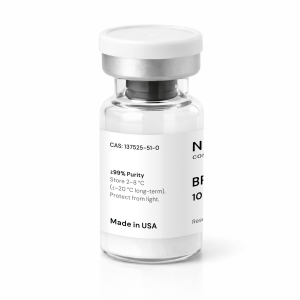
BPC-157 10mg
$ 55.00 Read More-+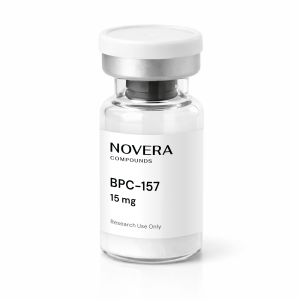
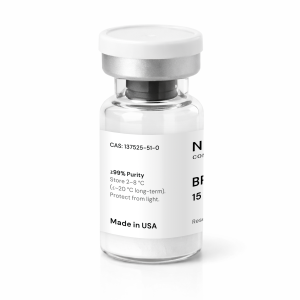
BPC-157 15mg
Read More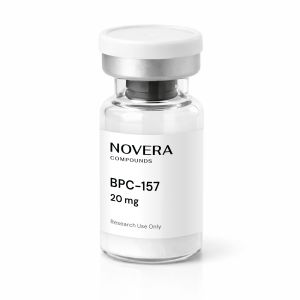
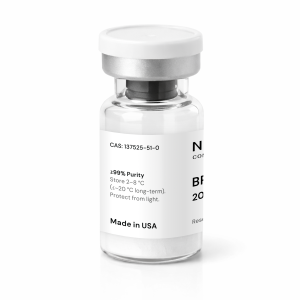
BPC-157 20mg
$ 100.00 Read More-+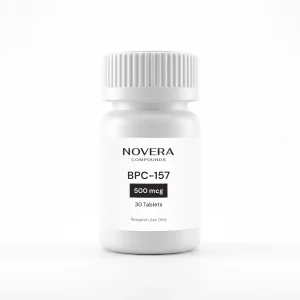
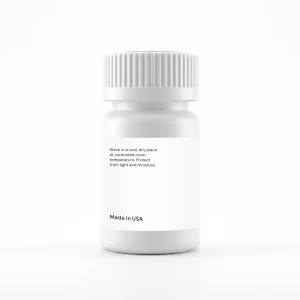
BPC-157 500mcg 30 Tablets
$ 55.00 Read More-+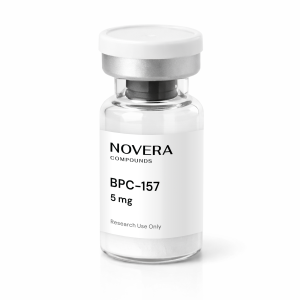
BPC-157 5mg
Read More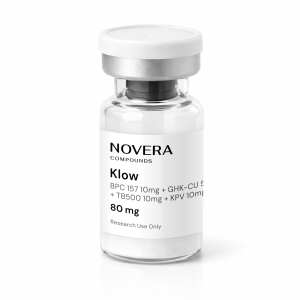
Klow BPC 157 10mg + GHK-CU 50mg + TB500 10mg + KPV...
$ 160.00 Read More-+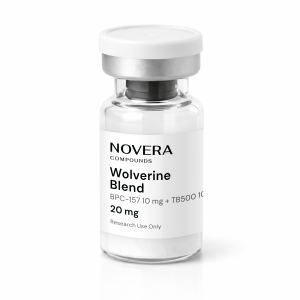
Wolverine Blend BPC-157 10mg + TB500 10mg
Read More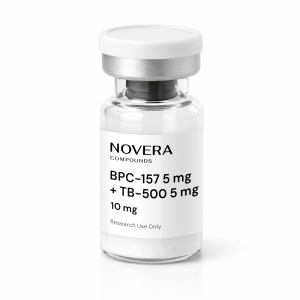
Wolverine Blend BPC-157 5mg + TB500 5mg
$ 70.00 Read More-+BPC-157 is a synthetic pentadecapeptide derived from human gastric juice, studied for tissue repair, gut healing, angiogenesis, and anti-inflammatory applications in preclinical research. The compound is relevant to sports medicine physicians, regenerative medicine clinicians, gastroenterologists, and compounding pharmacists evaluating peptide therapy protocols. Practitioners looking to source or buy BPC-157 may contact the Direct Doctor Supply support team for sourcing guidance and documentation support. Below is a clinical overview covering mechanisms, dosage routes, and evidence tiers on the BPC-157 peptide.
BPC-157 Mechanism of Action: How It Works
BPC-157, also known as body protection compound 157, is a synthetic pentadecapeptide derived from protective proteins naturally present in human gastric juice. The peptide is primarily researched for tissue repair, gut healing, angiogenesis, and anti-inflammatory applications [1]. Human data are extremely limited and consist only of a small number of low-quality or small-sample studies; no large randomized controlled trials have been published to date, so clinical efficacy and safety remain unestablished [4]. Its broad regenerative profile continues to generate interest in musculoskeletal and gastrointestinal peptide therapy discussions.
Cytoprotective Gastric Origin
The name body protection compound 157 reflects the peptide’s cytoprotective origin within gastric mucosal tissue. BPC-157 contains 15 amino acids and is synthesized as a fragment of a naturally occurring protective protein associated with gastrointestinal integrity and tissue repair pathways [2].
Angiogenesis and VEGF Signaling
BPC-157 may accelerate blood vessel formation at injury sites through modulation of vascular endothelial growth factor (VEGF), supporting tissue oxygenation and nutrient delivery [1]. This vascular response is considered a central mechanism behind tendon, ligament, and wound-healing applications discussed in regenerative medicine protocols.
Nitric Oxide Pathway Modulation
BPC-157 appears to influence nitric oxide signaling pathways associated with vasodilation and tissue perfusion [2]. Investigators have explored these mechanisms in relation to gut mucosal integrity, ulcerative healing, and soft tissue recovery, with improved microcirculation potentially contributing to the peptide’s broad research interest across tissue systems.
GH Receptor Sensitization Without IGF-1 Elevation
Preclinical findings suggest BPC-157 may increase local growth hormone receptor expression in fibroblasts and tendon cells [3]. The peptide is not classified as a GH secretagogue and does not appear to significantly elevate systemic IGF-1 levels, which remains an important distinction for clinicians evaluating tissue repair pathways.
Anti-Inflammatory and Neuroprotective Pathways
Animal and in vitro research indicate that BPC-157 may suppress TNF-α and other pro-inflammatory cytokines across multiple tissue systems [1]. Additional studies have explored dopaminergic and serotonergic modulation in traumatic brain injury models [2], though these neuroprotective findings remain early-stage and preclinical; current evidence does not support definitive neurological treatment conclusions.
BPC-157 Dosage Per Body Weight, Capsules & Injection Routes
Current BPC-157 dosage practices are largely practitioner-reported and research-extrapolated because no FDA-approved prescribing protocols exist. Administration methods vary by intended application, with subcutaneous injection and oral capsule discussions appearing most frequently in peptide protocols. Healthcare professionals should distinguish investigational practices from clinically validated therapeutic standards throughout all dosing discussions.
- Injection Protocols: Practitioner-reported injection regimens (commonly cited in informal clinical practice) have ranged around 200–500 mcg/day subcutaneously; these reports are anecdotal and investigational and should not be taken as validated dosing guidelines. Localized administration is frequently discussed for tendon, ligament, and musculoskeletal recovery protocols.
- BPC-157 Capsules and Oral Administration: Interest in BPC-157 capsules stems from the peptide’s human gastric origin and gut-focused research profile. Rodent studies evaluating oral administration commonly used doses ranging from 1 to 10 mcg/kg in inflammatory bowel and gastrointestinal injury models [2]. Translation into human oral dosing remains speculative given limited pharmacokinetic and absorption data.
- BPC-157 Dosage Per Body Weight: No standardized weight-based human protocol for BPC-157 dosage per body weight currently exists. Most practitioner-reported ranges are generalized rather than kilogram-adjusted. Clinicians should frame all dosing discussions as research-use references requiring individualized clinical assessment rather than established therapeutic guidance.
- Nasal Spray and Alternative Routes: Compounded nasal spray preparations are occasionally discussed within peptide therapy settings, though published bioavailability data remain limited. Current evidence supporting intranasal administration is weaker than research surrounding injectable and oral routes. Clinicians should avoid overstating efficacy expectations for alternative delivery systems.
Timing, Cycles, and Reconstitution
Practitioner-reported timing protocols commonly involve daily administration or 5-days-on, 2-days-off schedules over 4 to 12 weeks. Lyophilized preparations are generally reconstituted using bacteriostatic water and refrigerated between 2 and 8°C after mixing. Professionals considering whether to buy BPC-157 wholesale for research evaluation should check for wholesale buying options that include sterility documentation, purity testing, and analytical verification.
BPC-157 Peptide Benefits: Evidence-Tiered Applications
Current interest in BPC-157 benefits largely comes from preclinical research exploring tissue repair, inflammatory regulation, and gastrointestinal protection. Evidence quality varies substantially depending on the application. Clinicians should clearly distinguish animal studies, in vitro findings, and limited early human observations when evaluating regenerative peptide protocols.
Musculoskeletal Repair
Musculoskeletal healing remains the most extensively studied application for BPC-157 in preclinical literature. Research demonstrated improved tendon healing markers in rodent Achilles tendon injury models, with additional animal studies observing enhanced fibroblast migration and collagen organization during recovery [1]. Controlled human trials remain limited; available human data consist of a small number of low-quality, small-sample-size studies, and no large-scale randomized controlled trials have been published to date [4].
Gut Healing and Gastrointestinal Protection
Because of its human gastric origin, BPC-157 is frequently researched for gastrointestinal protection and mucosal healing. Animal models have demonstrated cytoprotective effects in inflammatory bowel disease, ulcerative colitis, and gut permeability studies [2]. Despite broad preclinical support, human data are limited to a small number of low-quality, small-sample-size studies, and no large-scale randomized controlled trials have been published to date [4].
Systemic Anti-Inflammatory Applications
Preclinical studies suggest BPC-157 may reduce inflammatory cytokines, including TNF-α, across multiple tissue systems [1]. Researchers have explored possible relevance for musculoskeletal inflammation, soft tissue injury, and systemic inflammatory states in animal models. Human data remain limited to a small number of low-quality, small-sample-size studies, with no large-scale randomized controlled trials published to date [4]. All claims should be interpreted within a preclinical evidence framework.
Neuroprotective and Recovery Research
Rodent traumatic brain injury models investigating dopaminergic stabilization have generated interest in BPC-157’s potential neuroprotective properties [2]. Some studies reported improved recovery markers and reduced oxidative stress after injury. These findings remain early-stage and should be interpreted cautiously until controlled human neurological research becomes available.
BPC-157 Side Effects, Safety & Legal Status
Although preclinical data generally indicate that BPC-157 is well tolerated, long-term human safety data remain limited. Regulatory classification and compounding guidance continue to evolve internationally, making evidence qualification and sourcing transparency important considerations for clinicians.
Side Effects
Published animal studies generally report mild tolerability profiles with limited major adverse effects [1]. The most commonly discussed BPC-157 side effects involve localized injection site redness or swelling associated with subcutaneous administration. Anecdotal reports involving oral use occasionally mention nausea, and nitric oxide pathway modulation has raised theoretical concerns regarding hypotension in susceptible individuals. Because BPC-157 is an unapproved drug and long-term clinical safety data in humans are lacking, healthcare professionals should treat the compound as investigational and exercise caution when considering clinical use or compounding products for patient administration [4].
Long-Term Safety Limitations
Long-term human safety outcomes involving endocrine, cardiovascular, or oncologic risk remain poorly characterized, and BPC-157 should continue to be framed as investigational rather than established therapy [1]. Because controlled clinical safety trials are lacking, healthcare professionals should consistently frame BPC-157 as a research compound rather than an established therapeutic intervention.
Current Regulatory Status
- BPC-157 is not approved by the U.S. Food and Drug Administration. In April 2026, the FDA removed BPC-157 from Category 2 bulk drug substance consideration, and the compound is scheduled for discussion at the July 2026 Pharmacy Compounding Advisory Committee meeting.
- In Australia, the peptide is not approved by the Therapeutic Goods Administration for routine therapeutic use.
- BPC-157 is listed by the World Anti‑Doping Agency as a prohibited non‑approved substance (S0) and is banned at all times, in‑ and out‑of‑competition; athletes and support personnel should treat it as prohibited [5].
Professionals evaluating sourcing consistency when buying online should prioritize suppliers with analytical testing, sterility documentation, and transparent supply chain records.
BPC-157 vs Thymosin Beta-4, GHK-Cu, KPV & SS-31
BPC-157 is frequently compared with other regenerative peptides because of its broad tissue repair and anti-inflammatory profile. These comparisons help clinicians distinguish among mechanisms, tissue targeting, evidence quality, and protocol suitability.
versus Thymosin Beta-4 (TB-500)
Discussions around BPC-157 vs. TB-500 often focus on differing repair mechanisms despite overlapping musculoskeletal applications. BPC-157 primarily supports angiogenesis through VEGF and nitric oxide modulation, whereas Thymosin Beta-4 is more closely associated with actin polymerization and cellular migration. Some practitioners view the peptides as complementary: BPC-157 may enhance vascular supply at the injury site while Thymosin Beta-4 supports connective tissue organization during healing.
versus GHK-Cu
BPC-157 and GHK-Cu differ significantly in primary tissue focus and mechanism. BPC-157 is primarily associated with gut healing, tendon repair, and modulation of systemic inflammation, while GHK-Cu is more closely linked to collagen synthesis, extracellular matrix remodeling, and skin-focused regenerative applications. In wound-healing protocols, the two peptides are often considered complementary: BPC-157 supports tissue perfusion while GHK-Cu contributes to collagen scaffold formation.
versus KPV
Both BPC-157 and KPV are discussed for gastrointestinal and anti-inflammatory applications, though they operate through distinct pathways. KPV primarily acts through melanocortin receptor-mediated suppression of cytokines and is evaluated for intestinal and skin-focused inflammation. BPC-157 demonstrates broader interest in systemic and musculoskeletal research alongside its gut-protective profile, making the pathway difference a meaningful selection factor for practitioners treating overlapping gut indications.
versus SS-31
BPC-157 and SS-31 represent fundamentally different peptide categories. BPC-157 focuses on angiogenesis, tissue perfusion, and structural repair, whereas SS-31 primarily targets mitochondrial membrane protection through cardiolipin binding. Clinicians may consider BPC-157 in tissue injury and gastrointestinal protocols, while SS-31 is more commonly explored for mitochondrial dysfunction and oxidative stress applications. Some advanced protocols discuss stacking when both vascular repair and mitochondrial support are relevant clinical objectives.
How Licensed Practitioners Can Source BPC-157
BPC-157 is available for research purposes to qualified licensed professionals only and is not intended for retail or consumer use. When evaluating suppliers, practitioners should prioritize those with verifiable purity documentation, COA (certificate of analysis) availability, LOT number traceability, and documented sterility testing. Sourcing from unverified vendors carries meaningful risk to research integrity and patient safety.
Licensed professionals seeking sourcing or documentation support may contact the Direct Doctor Supply support team for assistance with supplier verification, COA review, and traceability documentation.
FAQs
1. What is the BPC-157 peptide, and what is it used for?
BPC-157 is a synthetic 15-amino-acid pentadecapeptide derived from protective proteins found in human gastric tissue. The name body protection compound 157 reflects its cytoprotective gastric origin. Current research primarily explores tissue repair, gut healing, angiogenesis, and anti-inflammatory peptide protocols. The compound is not FDA-approved and remains classified as a research peptide.
2. How does BPC-157 work?
Research suggests BPC-157 may upregulate VEGF signaling involved in angiogenesis and tissue repair, and modulate nitric oxide pathways linked to tissue perfusion. Additional mechanisms may include suppression of TNF-α and other inflammatory cytokines, as well as increased local expression of the growth hormone receptor in peripheral tissues [3]. Current evidence does not support systemic IGF-1 elevation or GH secretagogue activity.
3. What is the BPC-157 dosage — capsules vs. injection?
Practitioner-reported injection regimens (commonly cited in informal clinical practice) have ranged around 200–500 mcg/day subcutaneously; these reports are anecdotal and investigational and should not be taken as validated dosing guidelines. Oral BPC-157 capsules have primarily been studied in rodent gastrointestinal models using doses of 1 to 10 mcg/kg [2]. Human oral dosing translation remains speculative, and no FDA-validated dosing guidelines currently exist.
4. What are the BPC-157 side effects — is it safe?
Available animal research generally indicates BPC-157 is well tolerated, though human safety data remain limited. Injection-site redness and mild swelling are the most commonly reported side effects associated with subcutaneous administration. Oral use has occasionally been linked to nausea, and theoretical hypotension concerns exist due to nitric oxide pathway activity. Long-term human safety outcomes remain unknown, and the compound should be treated as investigational only [4].
5. How does BPC-157 compare to TB-500 (Thymosin Beta-4)?
BPC-157 primarily supports angiogenesis, nitric oxide signaling, and gut-focused tissue repair, while TB-500 is more closely associated with cellular migration and connective tissue remodeling. Both compounds are frequently discussed in musculoskeletal regenerative protocols due to their overlapping repair applications. Some clinicians consider them complementary because they target different layers of tissue recovery.
Sources
- McGuire FP, Martinez R, Lenz A, Skinner L, Cushman DM. Regeneration or Risk? A Narrative Review of BPC-157 for Musculoskeletal Healing. Curr Rev Musculoskelet Med. 2025;18(12):611-619. doi:10.1007/s12178-025-09990-7
- Sikiric P, Boban Blagaic A, Strbe S, et al. The Stable Gastric Pentadecapeptide BPC 157 Pleiotropic Beneficial Activity and Its Possible Relations with Neurotransmitter Activity. Pharmaceuticals (Basel). 2024;17(4):461. Published 2024 Apr 3. doi:10.3390/ph17040461
- Chang CH, Tsai WC, Hsu YH, Pang JH. Pentadecapeptide BPC 157 enhances the growth hormone receptor expression in tendon fibroblasts. Molecules. 2014;19(11):19066-19077. Published 2014 Nov 19. doi:10.3390/molecules191119066
- Vasireddi N, Hahamyan H, Salata MJ, et al. Emerging Use of BPC-157 in Orthopaedic Sports Medicine: A Systematic Review. HSS J. Published online July 31, 2025. doi:1177/15563316251355551
- World Anti-Doping Agency. Prohibited list. https://www.wada-ama.org/en/resources/world-anti-doping-code-and-international-standards/prohibited-list
For licensed medical professionals only. This content is for informational purposes only and does not constitute medical advice.
Content prepared by Direct Doctor Supply’s editorial team.
Sourcing and accuracy for this page follow our Editorial Policy: claims are cross-checked against clinical literature, regulatory filings, and manufacturer specifications before anything is published.