GHK-Cu
Showing all 3 results
-
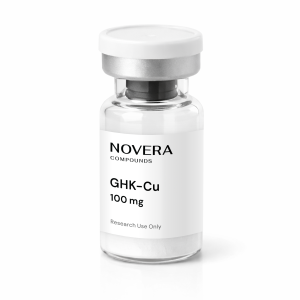

GHK-Cu 100mg
$ 75.00 Read More-+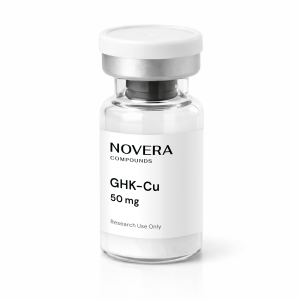
GHK-Cu 50mg
$ 55.00 Read More-+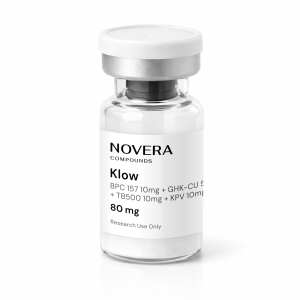
Klow BPC 157 10mg + GHK-CU 50mg + TB500 10mg + KPV...
$ 160.00 Read More-+GHK-Cu is a naturally occurring copper-binding tripeptide that declines with age and is well studied in the review literature, especially for topical dermatologic use, with a clinical literature base evaluating its topical applications. Its broad regenerative profile has made it a focus of interest among dermatologists, aesthetic medicine practitioners, and regenerative medicine clinicians evaluating protocols for skin repair, wound healing, and hair growth. Practitioners seeking sourcing guidance and documentation support may contact the Direct Doctor Supply support team. Below is a clinical overview of the GHK-Cu peptide, covering mechanisms, dosing, safety, and comparisons.
GHK-Cu as a Healing & Regenerative Peptide: Skin, Hair & Wound Applications
GHK-Cu (Glycine-Histidine-Lysine copper complex) is a naturally occurring human plasma tripeptide that binds Cu²⁺ ions to form a biologically active complex. Plasma concentrations decline from approximately 200 ng/mL at age 20 to roughly 80 ng/mL by age 60, generating interest in its regenerative and protective potential [3]. It is primarily studied for skin repair, wound healing, collagen synthesis, hair growth, and anti-aging applications across topical and injectable formulations.
GHK-Cu is one of the better-studied peptides for topical skin and wound applications. Reviewed clinical and cosmetic studies have reported improvements in skin appearance, elasticity, and firmness following topical copper peptide application [1][2], with a primary focus on surface texture and fine lines. A key distinction maintained throughout this guide is delivery route: GHK-Cu serum and topical formulations hold the strongest evidence base, while GHK-Cu injection protocols remain practitioner-reported and research-extrapolated.
Among the most commonly studied applications:
- Skin care and anti-aging: Clinical trial data and literature reviews support the topical use of these products for improvements in skin firmness, wrinkle depth, and elasticity [1][2].
- Wound healing: Both topical evidence and preclinical data support GHK-Cu’s role in tissue remodeling and repair [2][4].
- Hair growth: Early studies suggest copper peptides may support follicular health and scalp quality [3].
- Tissue repair: Research has examined effects on extracellular matrix remodeling and connective tissue regeneration [1][4].
How GHK-Cu Works: Copper Chelation, Collagen Synthesis & Growth Factor Regulation
The biological activity of GHK-Cu is proposed to begin with copper chelation. The peptide binds Cu²⁺ ions and delivers them to tissues where copper-dependent enzymes are required [2]. In vitro models suggest this supports lysyl oxidase, which contributes to collagen and elastin crosslinking, and superoxide dismutase, an important antioxidant enzyme.
Preclinical models suggest that GHK-Cu may modulate the expression of TGF-β, VEGF, FGF, and IGF-1, contributing, in laboratory settings, to fibroblast activity, angiogenesis, and extracellular matrix remodeling [1]. In wound-healing research, GHK-Cu has been shown to regulate MMP-2 expression and its tissue inhibitors, TIMP-1 and TIMP-2, in fibroblast cultures, indicating a role in controlling ECM remodeling during tissue repair [4].
Collagen synthesis represents another major area of investigation. Laboratory and clinical research indicate that GHK-Cu may stimulate Type I and Type III collagen production in dermal fibroblasts, with the strongest evidence from topical applications [2]. This mechanism likely underpins observed improvements in skin firmness and texture reported in the dermatological literature.
Based on preclinical literature reviews, Pickart and colleagues proposed broader genomic effects, suggesting that, in sequencing models, GHK-Cu may influence approximately 31% of genes altered during skin aging, shifting expression patterns toward a younger phenotype [1]. GHK-Cu additionally demonstrates anti-inflammatory activity through NF-κB downregulation and reductions in pro-inflammatory cytokines, relevant to wound healing and chronic skin repair [1].
GHK-Cu Dosage: Serum & Topical vs Injection
When discussing GHK-Cu dosage, it is vital to maintain the distinction between evidence-supported topical use and practitioner-reported injectable protocols.
Topical Formulations
Topical formulations have the strongest evidence base. Topical concentrations reported in studies and commercial formulations vary, with published and commercial use spanning a broad range (typically 0.1% to 5%), applied once or twice daily to the skin or scalp [2]. Clinical investigations have reported improvements in skin texture, elasticity, and the appearance of wrinkles, making topical delivery the preferred route for dermatological applications.
Injectable Formulations
Systemic or injectable protocols lack validated human clinical trials. Dosing regimens cited in literature (such as 1 to 2 mg) remain strictly practitioner-reported or research-extrapolated rather than clinically established. All injectable dosing discussions should be framed accordingly and kept clearly distinct from the topical evidence base.
Combination Protocols
Within regenerative medicine, GHK-Cu is frequently discussed alongside BPC-157 and Thymosin. The mechanistic rationale is complementary: GHK-Cu supports collagen synthesis and extracellular matrix remodeling; BPC-157 is associated with angiogenesis and tissue repair; and Thymosin Beta-4 is linked to cellular migration and re-epithelialization. Robust human combination data remain limited.
Storage Considerations
Reconstituted solutions are generally stored at 2 to 8°C and protected from light. Lyophilized preparations typically demonstrate greater stability but should be handled according to the manufacturer’s specifications. Professionals evaluating whether to buy GHK-Cu wholesale for research purposes should check for wholesale buying options that include stability data, purity testing, and documentation of manufacturing standards.
Is GHK-Cu Safe? Side Effects & Legal Status
GHK-Cu is generally regarded as one of the most well-tolerated peptides in skin care and regenerative research. Human studies involving topical formulations report a favorable safety profile [3]. Topical applications have the strongest clinical safety data; information on injectable use remains more limited and largely practitioner-reported.
Common side effects of GHK-Cu include:
- Mild skin irritation: Temporary redness, itching, or sensitivity, particularly with higher-concentration topical products.
- Injection site reactions: Practitioner-reported injectable use may cause localized redness, swelling, or tenderness.
- Copper metabolism considerations: Systemic copper toxicity has not been a prominent signal in topical clinical studies, though clinical caution is prudent in patients with known copper-metabolism disorders, such as Wilson’s disease [3].
Legal Status
- United States (as of June 2026): GHK-Cu is not FDA-approved as a pharmaceutical drug. While topical applications are generally commercialized within cosmetic frameworks, injectable or systemic formulations remain investigational and are not approved for standard clinical compounding. Regulatory status should be independently verified.
- Australia (as of June 2026): Regulatory classification varies by route of administration and intended claims. Practitioners should verify current Therapeutic Goods Administration requirements.
- Athletics and WADA (as of June 2026): GHK-Cu does not currently appear on WADA’s Prohibited List; athletes should confirm its status directly through WADA resources.
Professionals evaluating peptide suppliers when buying online should review third-party testing, manufacturing standards, and storage documentation before selecting research-grade materials.
GHK-Cu vs BPC-157 & Thymosin
GHK-Cu is frequently compared with other regenerative peptides because each targets tissue repair through different biological mechanisms.
GHK-Cu vs BPC-157
GHK-Cu primarily influences collagen synthesis, extracellular matrix remodeling, growth factor signaling, and skin regeneration, with evidence strongest in dermatological topical applications [1][2]. BPC-157, by contrast, is primarily discussed in musculoskeletal and gastrointestinal contexts, with evidence consisting largely of preclinical animal studies and limited early human GI data. For practitioners focused on skin quality, connective tissue remodeling, or hair growth, GHK-Cu is the more targeted option; for tendon, ligament, or gut-focused protocols, BPC-157 is the more commonly evaluated compound. Their mechanistic differences create a strong rationale for combination use when both dermatological and musculoskeletal goals are relevant.
GHK-Cu vs Thymosin
GHK-Cu builds the structural framework of healing tissues by supporting extracellular matrix formation through collagen synthesis and growth factor regulation [1]. Thymosin Beta-4 functions differently, promoting actin polymerization, cellular migration, and tissue organization during repair. GHK-Cu lays the ECM scaffold; Thymosin Beta-4 coordinates cell movement into it. These mechanisms are complementary rather than competitive, with a significant stacking rationale in wound healing and regenerative protocols that require both structural remodeling and cellular recruitment.
How Can Licensed Practitioners Source or Buy GHK-Cu?
GHK-Cu is available for research purposes to qualified licensed professionals only and is not intended for retail or consumer use. When evaluating suppliers, practitioners should prioritize those offering verifiable purity documentation, availability of a certificate of analysis (COA), LOT number traceability, and documented sterility testing.
The Direct Doctor Supply support team provides sourcing guidance and documentation for licensed professionals seeking guidance on where to buy GHK-Cu online from verified, research-grade suppliers. Practitioners with sourcing or documentation questions are encouraged to contact the Direct Doctor Supply support team directly.
FAQs
1. What is GHK-Cu peptide, and what does it do?
GHK-Cu is a naturally occurring copper-binding tripeptide (Gly-His-Lys) present in human plasma, saliva, and urine that declines sharply with age [3]. Research supports its role in collagen synthesis, wound healing, growth factor expression, and antioxidant activity, with topical formulations carrying the strongest clinical evidence base. Injectable use is studied as a research compound with a more limited and strictly practitioner-reported data set.
2. How does GHK-Cu work — copper chelation and collagen synthesis?
The biological activity of GHK-Cu is proposed to begin with copper chelation, delivering Cu²⁺ to tissues where copper-dependent enzymes, including lysyl oxidase and superoxide dismutase, are required [2]. In vitro and preclinical models suggest that this supports collagen and elastin formation, antioxidant defenses, and extracellular matrix remodeling, including MMP-2 regulation, which is relevant to wound healing [4]. Based on literature reviews of preclinical data, Pickart and colleagues also proposed that in sequencing models, GHK-Cu may influence approximately 31% of genes altered during skin aging [1].
3. What is the GHK-Cu dosage — serum vs injection?
Topical concentrations reported in studies and commercial formulations vary, typically ranging from 0.1% to 5% and applied once or twice daily, and represent the best-supported evidence base [2]. Injectable dosing regimens (such as 1-2 mg subcutaneously) remain strictly practitioner-reported and research-extrapolated; no FDA-validated injectable protocol exists. Injectable dosing should always be framed as investigational.
4. What are the common side effects of GHK-Cu? Is it safe?
Topical formulations are very well tolerated, with occasional mild irritation at higher concentrations, and are among the more extensively studied cosmetic peptide ingredients in the published literature [3]. Injectable administration may cause temporary redness, swelling, or tenderness at the injection site. Systemic copper toxicity has not been a prominent signal in topical clinical studies; patients with Wilson’s disease or copper-metabolism disorders warrant additional monitoring.
5. How does GHK-Cu compare to BPC-157 and Thymosin Beta-4?
GHK-Cu focuses on copper chelation, collagen synthesis, and ECM scaffold formation, with the strongest evidence for topical skin and wound-healing applications [1][2]. BPC-157 is more commonly associated with angiogenesis and musculoskeletal healing; Thymosin Beta-4 supports cellular migration and tissue organization. These peptides address different aspects of the healing process and have complementary mechanisms, with a strong stacking rationale, in advanced regenerative protocols.
Sources
- Pickart L, Margolina A. Regenerative and Protective Actions of the GHK-Cu Peptide in the Light of the New Gene Data. Int J Mol Sci. 2018;19(7):1987. Published 2018 Jul 7. doi:10.3390/ijms19071987
- Pickart L, Vasquez-Soltero JM, Margolina A. GHK Peptide as a Natural Modulator of Multiple Cellular Pathways in Skin Regeneration. Biomed Res Int. 2015;2015:648108. doi:10.1155/2015/648108
- Dou Y, Lee A, Zhu L, Morton J, Ladiges W. The potential of GHK as an anti-aging peptide. Aging Pathobiol Ther. 2020;2(1):58-61. doi:10.31491/apt.2020.03.014
- Siméon A, Emonard H, Hornebeck W, Maquart FX. The tripeptide-copper complex glycyl-L-histidyl-L-lysine-Cu2+ stimulates matrix metalloproteinase-2 expression by fibroblast cultures. Life Sci. 2000;67(18):2257-2265. doi:10.1016/s0024-3205(00)00803-1
For licensed medical professionals only. This content is for informational purposes only and does not constitute medical advice.
Content prepared by Direct Doctor Supply’s editorial team.
Sourcing and accuracy for this page follow our Editorial Policy: claims are cross-checked against clinical literature, regulatory filings, and manufacturer specifications before anything is published.