KPV Peptide
Showing all 3 results
-
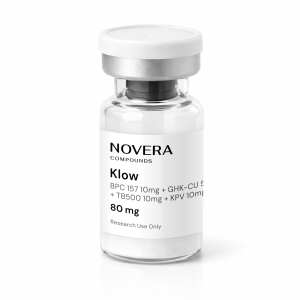

Klow BPC 157 10mg + GHK-CU 50mg + TB500 10mg + KPV...
$ 160.00 Read More-+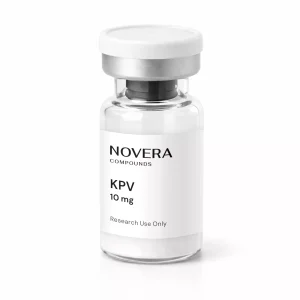
KPV 10mg
$ 70.00 Read More-+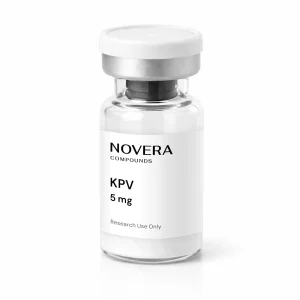
KPV 5mg
Read MoreKPV (Lys-Pro-Val) is a naturally occurring tripeptide derived from the C-terminus of alpha-melanocyte-stimulating hormone (α-MSH), studied for its melanocortin-related and intracellular anti-inflammatory effects on the gut lining, skin, and mucosal tissues. Gastroenterologists, dermatologists, and integrative medicine clinicians evaluating peptide-based approaches for intestinal barrier integrity, inflammatory skin conditions, and wound-healing protocols will find purity documentation, storage guidance, and sourcing support from the Direct Doctor Supply support team. The clinical guide below reviews its mechanism, applications, dosage considerations, and comparator peptides.
Does KPV Help with Acne & Eczema? Skin & Gut Healing Applications
KPV is a naturally occurring tripeptide (Lys-Pro-Val) derived from the C-terminus of α-MSH. It is studied for anti-inflammatory activity through melanocortin-related and other anti-inflammatory pathways and is primarily investigated for gut lining integrity, intestinal barrier support, skin inflammation, wound healing, and mucosal protection. [1] It is not FDA-approved and remains a research compound. Available as both oral capsules and injectable formulations, the supporting evidence differs by route and application, and these should not be treated as interchangeable.
Does KPV Help with Acne?
Preclinical evidence suggests KPV may reduce inflammatory signaling by suppressing NF-κB. This suppression reduces downstream production of pro-inflammatory cytokines, including TNF-α, IL-6, and IL-8. [4] This may help reduce inflammatory acne lesions and associated redness. Interest in peptide KPV for acne and redness is driven more by its anti-inflammatory mechanism than by any direct effect on sebum production or bacterial colonization. Human clinical evidence remains very limited, and findings should be considered preliminary.
Does KPV Help with Eczema?
Preclinical studies suggest KPV may exert anti-inflammatory effects on keratinocytes and immune cells involved in inflammatory skin responses, including modulation of the MAPK/NF-κB pathway. [4] Emerging practitioner-reported observations indicate potential utility in reducing skin irritation and inflammatory activity in eczema presentations. Robust controlled human data are absent, and this evidence gap must be clearly communicated when evaluating KPV for eczema-related protocols.
Gut Lining and Intestinal Barrier Support
The strongest evidence base for KPV involves gastrointestinal applications. Preclinical models of inflammatory bowel disease, ulcerative colitis, and intestinal permeability have demonstrated anti-inflammatory activity within the gut following KPV administration, with improvements in markers of mucosal inflammation and epithelial integrity. [1] [2] KPV is taken up into intestinal epithelial cells via the PepT1 transporter, which explains its oral bioavailability and makes capsule delivery particularly relevant for gut-targeted peptide therapy. [1] Most available evidence remains preclinical and requires confirmation in larger human studies.
How KPV Works: Melanocortin Receptor Mechanism & Anti-Inflammatory Action
KPV has been proposed to act through melanocortin-related and other anti-inflammatory pathways, influencing intracellular signaling in immune and inflammatory cells. [3] Current evidence suggests this includes suppression of NF-κB signaling, which reduces downstream production of pro-inflammatory cytokines, including TNF-α, IL-6, and IL-8. This mechanism is the basis for KPV’s investigation across gut, skin, and wound-healing applications.
In the gastrointestinal tract, KPV is taken up via the PepT1 transporter into intestinal epithelial cells, where it exerts anti-inflammatory effects on mucosal immune signaling. [1] This PepT1-mediated uptake pathway supports intestinal barrier function and is why IBD and colitis preclinical models represent the most extensively studied area of KPV research. [2] In dermatologic research, NF-κB suppression and modulation of the MAPK pathway appear to reduce redness and inflammatory lesion activity in keratinocytes and dermal immune cells, generating interest in acne and eczema protocols. [4] For wound healing, reducing excessive inflammation supports the transition from the inflammatory phase into tissue repair and re-epithelialization across skin and mucosal surfaces.
A notable characteristic of KPV is its reported stability in gastric acid and its uptake via the PepT1 transporter, which together allow oral capsule delivery to remain biologically active in the gut. This distinguishes it from most peptides, which require injection, and is central to why capsule formulations are evaluated specifically for gastrointestinal applications.
KPV Peptide Dosage: Capsules vs Injectable & How Long It Takes to Work
No FDA-approved dosing protocol exists for KPV. All dosing references below are practitioner-reported and should be considered research-use guidance requiring individualized clinical assessment.
- Oral capsules (gut applications): Practitioner-reported dosing for KPV capsules and KPV peptide capsules commonly references 250-500 mcg daily for gut-focused protocols. KPV’s oral stability and PepT1-mediated uptake make capsules the appropriate route for intestinal barrier and IBD-related applications. [1]
- Injectable (systemic and skin applications): Subcutaneous injectable protocols are discussed for systemic anti-inflammatory and skin-focused research use. Reported doses vary considerably across practitioners and research contexts; no validated human protocol exists.
How Long Does It Take For the KPV Peptide to Work?
Practitioner-reported observations suggest gut-related applications may require approximately 4-8 weeks before noticeable changes occur. Skin outcomes vary depending on condition severity, route, and individual inflammatory burden. Timelines are largely observational and should not be presented as predictive.
Storage and Handling
- Oral capsules: store in a cool, dry location; protect from excessive heat and prolonged light exposure
- Injectable: reconstitute with bacteriostatic water; store at 2-8°C post-reconstitution; protect from light; follow applicable handling protocols
When buying online, practitioners should prioritize suppliers that provide purity-testing documentation, batch-specific certificates of analysis, and clearly stated storage and stability data.
KPV Peptide Side Effects, Safety & Legal Status
Available preclinical and limited human data suggest KPV peptide side effects are generally mild. For injectable use, practitioner-reported adverse events include mild injection-site redness, swelling, and temporary irritation, consistent with subcutaneous peptide injections generally. Oral capsule use is typically well tolerated, with only rare mild GI discomfort reported.
Published safety data are limited, and no clear serious safety signal has been established in the small amount of available literature. Long-term human safety data are absent, and this gap should be clearly acknowledged in any clinical evaluation.
Legal and Regulatory Status (current as of June 2026)
- United States: KPV is not FDA-approved. It is not currently included on the FDA 503A Bulk Drug Substances List for compounding. [5] It is treated as a research compound in the US context. Verify current compounding status before use, as these lists are subject to change.
- Australia: KPV does not have TGA approval for therapeutic use. Verify the availability of compounding using current government resources before use.
- WADA: KPV does not currently appear on the WADA Prohibited List. [6] Athletes should independently verify current status, as the list is subject to periodic updates.
KPV Peptide vs BPC-157 & GHK-Cu
Although KPV, BPC-157, and GHK-Cu are frequently discussed within regenerative medicine, they operate through distinct biological mechanisms. Comparing their primary actions helps clarify which research applications may favor one peptide over another.
KPV vs BPC-157
KPV and BPC-157 are both healing and regenerative peptides with applications in gastrointestinal research, but they operate through entirely different mechanisms. KPV acts through melanocortin-related and other intracellular anti-inflammatory pathways, making it the more relevant compound when inflammatory signaling is the primary research target, particularly in IBD and inflammatory skin conditions. [1] BPC-157 is primarily associated with angiogenesis, nitric oxide signaling, and vascular repair, providing a stronger rationale for musculoskeletal recovery, tendon repair, and structural tissue regeneration. A common stacking rationale holds that KPV addresses the inflammatory cascade while BPC-157 restores vascular architecture and supports structural repair, targeting complementary phases of the healing process.
KPV vs GHK-Cu
KPV and GHK-Cu occupy different positions within skin research despite both being evaluated for inflammatory skin conditions. KPV suppresses intracellular pro-inflammatory pathways by modulating NF-κB and MAPK signaling, thereby reducing the inflammatory burden. This makes it the more relevant option for acne-associated redness, acute eczema flares, and mucosal inflammation. [4] GHK-Cu is associated with copper binding, collagen synthesis, growth factor modulation, and extracellular matrix remodeling, making it the more relevant option for skin structure, wound repair scaffold support, and anti-aging applications. Together, they address complementary aspects of skin healing: KPV reduces the inflammatory drive while GHK-Cu supports the structural rebuilding that follows.
Where Can Practitioners Source or Buy KPV Peptide for Research?
Research-grade KPV is available only to qualified, licensed medical professionals. When evaluating suppliers, practitioners should confirm:
- Certificates of analysis (CoA) with batch-specific purity data
- LOT number traceability
- Independent third-party testing documentation
- Route-specific stability data (oral vs. injectable formulations)
Direct Doctor Supply provides sourcing guidance and documentation support to help licensed practitioners identify verified research-grade suppliers. Those looking to buy KPV Peptide online or to check wholesale buying options are encouraged to contact the Direct Doctor Supply support team for sourcing guidance. Practitioners who need to buy KPV Peptide wholesale can reach the support team directly for supplier guidance.
FAQs
1. What is the KPV peptide, and what is it used for?
KPV is a naturally occurring tripeptide (Lys-Pro-Val) derived from the C-terminus of α-MSH. It acts through melanocortin-related and other downstream anti-inflammatory pathways, suppressing NF-κB and reducing pro-inflammatory cytokine activity. [3] Research focuses on gut lining integrity, intestinal barrier support, inflammatory skin conditions, including acne and eczema, and wound healing. KPV is a research compound and is not FDA-approved.
2. Does KPV help with acne and eczema?
Preclinical studies suggest KPV may help regulate inflammatory pathways involved in acne and eczema, but human clinical evidence remains very limited.
3. What is the KPV dosage for capsules vs. injectables?
Practitioner-reported oral protocols commonly use 250-500 mcg daily for gut-focused applications. Injectable dosing varies widely, and no validated human standard exists.
4. What are the KPV peptide side effects?
KPV is generally well tolerated in available preclinical and limited human data. Injectable use may produce mild injection-site redness or swelling; oral capsule use is typically well tolerated. Published safety data are limited, and no clear serious safety signal has been established in the small amount of available literature. Long-term human safety data are absent.
5. How does KPV compare to BPC-157 and GHK-Cu?
KPV is mainly discussed in the context of inflammatory signaling, BPC-157 in vascular and tissue repair pathways, and GHK-Cu in collagen and extracellular matrix support.
Sources
- Dalmasso G, Charrier-Hisamuddin L, Nguyen HT, Yan Y, Sitaraman S, Merlin D. PepT1-mediated tripeptide KPV uptake reduces intestinal inflammation. 2008;134(1):166-178. doi:10.1053/j.gastro.2007.10.026
- Kannengiesser K, Maaser C, Heidemann J, et al. Melanocortin-derived tripeptide KPV has anti-inflammatory potential in murine models of inflammatory bowel disease. Inflamm Bowel Dis. 2008;14(3):324-331. doi:10.1002/ibd.20334
- Land SC. Inhibition of cellular and systemic inflammation cues in human bronchial epithelial cells by melanocortin-related peptides: mechanism of KPV action and a role for MC3R agonists. Int J Physiol Pathophysiol Pharmacol. 2012;4(2):59-73.
- Sung J, Ju SY, Park S, Jung WK, Je JY, Lee SJ. Lysine-Proline-Valine peptide mitigates fine dust-induced keratinocyte apoptosis and inflammation by regulating oxidative stress and modulating the MAPK/NF-κB pathway. Tissue Cell. 2025;95:102837. doi:10.1016/j.tice.2025.102837
- S. Food and Drug Administration. Bulk drug substances used in compounding under section 503A of the FD&C Act. FDA. Updated May 14, 2026. https://www.fda.gov/drugs/human-drug-compounding/bulk-drug-substances-used-compounding-under-section-503a-fdc-act
- World Anti-Doping Agency. The Prohibited List. WADA. Available at https://www.wada-ama.org/en/prohibited-list
For licensed medical professionals only. This content is for informational purposes only and does not constitute medical advice.
Content prepared by Direct Doctor Supply’s editorial team.
Sourcing and accuracy for this page follow our Editorial Policy: claims are cross-checked against clinical literature, regulatory filings, and manufacturer specifications before anything is published.