

SHARE THIS ARTICLE
Cingal
Understanding the Differences: Cingal vs Cortisone Injections
Feb 20, 2024
According to the latest data from the World Health Organization, around half a billion people worldwide suffer from osteoarthritis (OA). Out of all the joints that can be afflicted, this degenerative disease affects the knee joints the most. Knee OA can significantly impact a person’s quality of life and how they can perform basic movements, such as walking or sitting down.
Recent developments in orthopedic medicine have become a go-to treatment for individuals battling osteoarthritis (OA) in the knee and other joints. Nowadays, doctors use Cingal or cortisone injections to help relieve any joint pain their patients experience. However, what is the difference between these two injectables?
This article aims to distinguish the differences between Cingal and cortisone injections, exploring how they’re administered and the therapeutic benefits each injection can bring.
Key Takeaways
- Cingal shots are unique because they mix hyaluronic acid and steroids. This helps with knee pain by reducing inflammation and improving joint movement. They can work well for up to six months.
- Cortisone injections are good at quickly reducing swelling and discomfort in various body parts, but they might not help as long as Cingal does. These injections mainly reduce inflammation.
- Choosing between Cingal vs cortisone depends on what you need. Consider whether you want fast relief or longer-lasting relief. Also, consider how bad your pain is and if there are any side effects.
Introduction to Orthopedic Injections

Orthopedic injections are crucial in managing joint-related conditions, providing targeted relief from pain and inflammation. These injections are designed to deliver therapeutic agents directly into the affected joint, offering a non-invasive treatment option for individuals with orthopedic issues.
These shots help people with pain in places like their knees or hips. Understanding the differences between various orthopedic injections is essential for patients, caregivers, and healthcare practitioners to make informed decisions about the most suitable treatment options.
Each one works best for specific problems. For example, cortisone shots offer fast relief by lowering swelling. On the other hand, Cingal injection for knee pain combines cortisone and hyaluronic acid to provide quick relief and long-lasting joint lubrication.
Overview of Cingal vs Cortisone Injections
Osteoarthritis (OA) is a common joint condition characterized by cartilage deterioration, leading to pain and stiffness in the affected joint. The knee joint is a common site of OA, causing significant discomfort and affecting daily activities.
Cingal and cortisone injections represent two treatment options for managing knee OA symptoms. While both offer pain relief, they differ in their composition and mechanism of action.
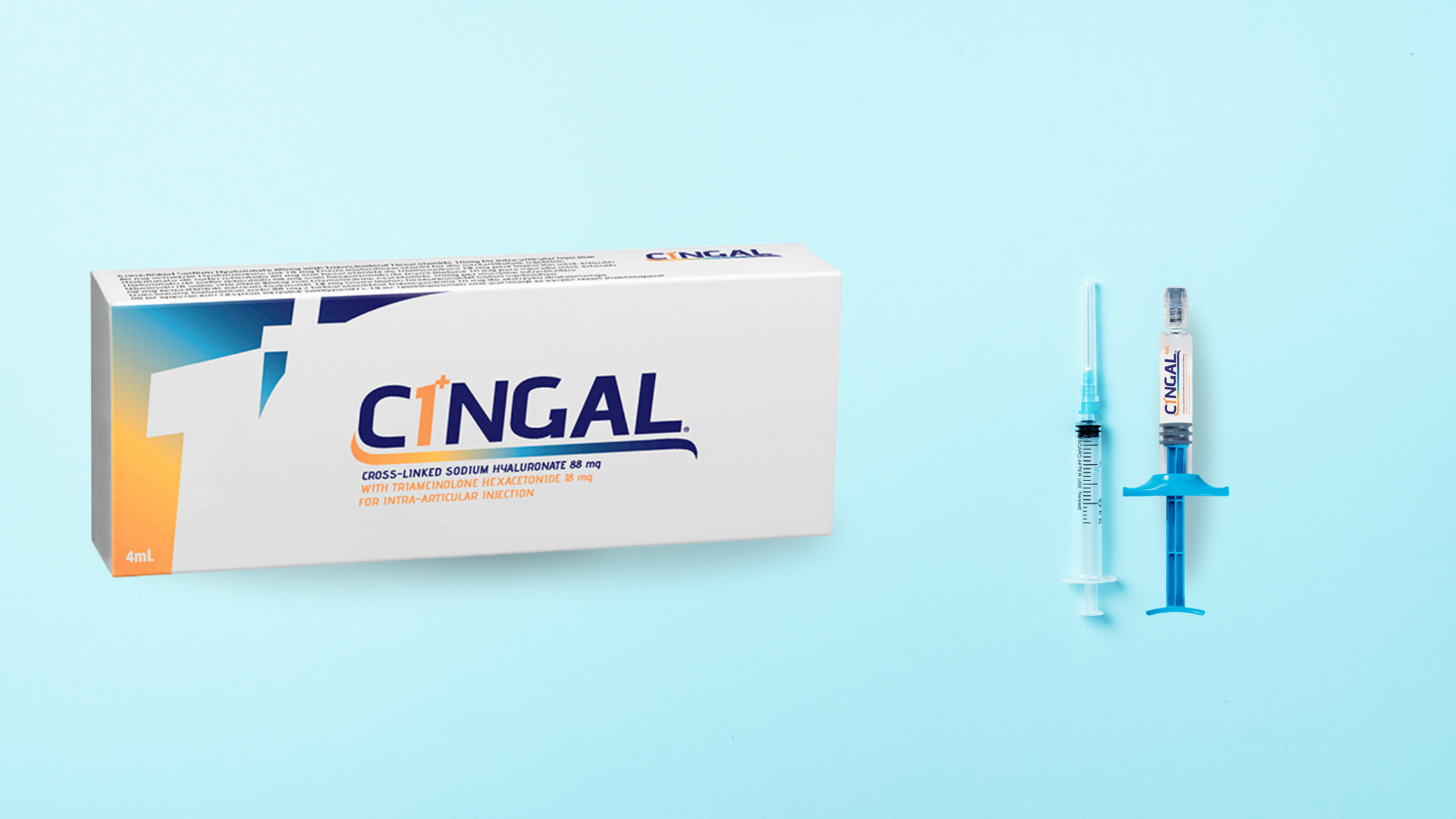
Cingal hyaluronic acid injections combine hyaluronic acid and a corticosteroid to relieve knee joint pain. They shine as a single-injection treatment for osteoarthritis (OA) knee discomfort, promising up to six months of relief. Healthcare professionals and clinics researching product options can buy Cingal online from reputable medical suppliers. This dual-action formula not only soothes the area but also lubricates the joint, making it a standout option for those seeking lasting relief without frequent visits to their doctor.
On the other hand, cortisone shots focus on reducing pain, swelling, and irritation swiftly in various body parts. While they may not last as long as Cingal, they are well regarded for their quick effectiveness.
Purpose of These Injections in Orthopedic Care
Orthopedic care often uses injections to help people with knee osteoarthritis. For those dealing with mild to moderate pain, treatments like Cingal and cortisone injections are life-changers. They target the pain and swelling directly in the knee. This means patients can move better and feel less discomfort.
The main goal behind using Cingal or cortisone is to improve quality of life. People not only get relief from ongoing knee pain; they also enjoy a more active lifestyle without surgery’s risks or downtime. Both options manage symptoms effectively, but they work differently inside the body to achieve that result.
Composition and Mechanism of Action

Composition of Cingal Injections
What is Cingal injection made of? These innovative shots offer a unique combination of two active ingredients to address knee osteoarthritis (OA) symptoms:
- Hyaluronic acid (HA): This naturally occurring sugar molecule is crucial to healthy synovial fluid, the lubricant within your joints. HA plays a vital role by creating a smooth surface for reduced friction, absorbing shock to protect cartilage, and even supporting the production of other lubricants necessary for joint health.
- Corticosteroid (Triamcinolone Hexacetonide): This potent anti-inflammatory medication suppresses inflammation and modulates the immune system’s response in the affected joint. This reduces swelling, pain, and stiffness, providing much-needed relief.
Cingal’s distinct composition lets it tackle OA from two angles: immediate pain relief through the corticosteroid and long-term lubrication and joint support through HA. This unique combination aims to ease your current discomfort and support joint health over time.
Composition of Cortisone Injections
Unlike Cingal, cortisone injections solely rely on a single active ingredient: a corticosteroid medication. This medication, often cortisone acetate or triamcinolone acetonide, is designed to combat inflammation.
Its primary function is to target specific molecules and pathways involved in the joint’s inflammatory response. By doing so, it aims to:
- Suppress inflammation: This can reduce swelling, pain, and stiffness, offering relief from the discomfort associated with knee osteoarthritis (OA).
- Modulate the immune system: Cortisone injections calm the body’s inflammatory response in the affected joint, creating a more favorable environment for healing and pain reduction.
While cortisone injections can be beneficial, they primarily address the immediate symptoms of OA, offering pain relief that typically lasts weeks to months. They do not provide the long-term joint support and lubrication offered by Cingal injections containing hyaluronic acid.
Mechanism of Action for Cingal Injections
Cingal injections combine the benefits of hyaluronic acid, known for its lubricating and cushioning properties, with the anti-inflammatory effects of the steroid component. This dual action aims to reduce pain, improve joint function, and address the underlying inflammation associated with osteoarthritis.
Mechanism of Action for Cortisone Injections
Cortisone injections, on the other hand, solely rely on the anti-inflammatory properties of corticosteroids to alleviate pain and swelling in the affected joint. These injections work by suppressing the immune response and reducing the production of inflammatory substances within the joint.
Modes of Administration for Cingal and Cortisone Injections
Both Cingal and cortisone injections are administered through a similar process, following these key steps:
- Pre-injection Consultation: A healthcare professional will thoroughly evaluate your medical history, symptoms, and suitability for the injection. They will also discuss the procedure’s potential benefits and risks and answer any questions you may have.
- Preparation: If your doctor clears you for either Cingal or cortisone injections, they will begin preparing you for the procedure. What usually happens during this time is that they clean and sterilize the injection site to minimize the risk of infection.
- Injection: Once you’re ready to receive the injection, the practitioner will use a thin needle to inject the medication right into the affected joint space. For patients considering a Cingal injection for knee pain, a qualified healthcare professional administers the product directly into the knee joint.
Cingal and cortisone shots are typically administered as single injections. However, your doctor may recommend repeat injections depending on your needs and the treatment plan.
Additionally, cortisone shots can be given in different ways – not just in the knee but also by mouth or even into a vein (on special occasions). This flexibility means doctors must choose the best way to give cortisone based on each person’s needs.
By understanding the shared and distinct characteristics of Cingal and cortisone injections, along with the standard administration process, individuals can make informed decisions about their treatment options for managing knee OA.
Therapeutic Benefits and Efficacy
In Cingal hyaluronic acid injections, the corticosteroid component acts quickly to reduce inflammation, helping patients relieve pain and stiffness in their joints. Meanwhile, the hyaluronic acid component works gradually over time, replenishing lost synovial fluid to help heal the joints and improve function and mobility.
Studies have also shown that Cingal injections can provide significant and sustained pain relief compared to placebo for up to 26 weeks. Some studies also suggest potential benefits in reducing cartilage breakdown and improving joint health after getting Cingal injections.
As for cortisone shots, they primarily focus on their anti-inflammatory properties to decrease inflammation and provide relatively rapid relief from pain and swelling in the affected joint. Understanding the differences in Cingal vs cortisone can help patients and healthcare professionals consider how each option may fit into an individual’s knee osteoarthritis treatment plan. Compared to Cingal, cortisone shots have also been widely used and well-studied.
Studies on the efficacy of cortisone shots show they are a reliable treatment for knee osteoarthritis (OA). However, the effects are typically temporary, requiring repeat injections for sustained pain management. Doctors usually advise against frequent injections because of potential side effects, making cortisone shots less suitable for long-term use.
Efficacy Comparison between Cingal and Cortisone Injections
Understanding the intrinsic differences between Cingal and cortisone injections is pivotal for informed orthopedic care. Here, we delve into the efficacy, utilizing data from clinical studies and therapeutic outcomes.
| Aspect | Cingal Injections | Cortisone Injections |
| Pain Relief Onset | Within days | Varies, often within a few days |
| Duration of Effect | Lasts for six months | May last for a few weeks to months |
| Composition | Hyaluronic acid and steroid | Steroid |
| Mechanism of Action | Provides lubrication and reduces inflammation | Primarily reduces inflammation |
| Efficacy in Clinical Studies | Shows immediate advantages over hyaluronic acid alone | Effective in reducing inflammation and pain, but may not last as long |
| Safety Profile | Confirmed safe and effective for long-term relief | Generally safe, potential for side effects with repeated use |
Both offer valuable solutions in pain management, yet Cingal emerges as a robust option for those seeking longer-term relief.
Recent Evidence on Hyaluronic Acid and Corticosteroid Injections
A 2025 study analyzed 254 knees from the Osteoarthritis Initiative to compare corticosteroid and hyaluronic acid injections over 36 months. The researchers found that corticosteroid injections provided greater short-term improvement in WOMAC scores, with 44.9% of patients achieving clinically meaningful improvement compared with 29.0% in the HA group. However, HA was associated with clinically relevant long-term improvements in both WOMAC and pain scores. The study found no significant difference between the two groups in radiographic OA progression or the need for total knee arthroplasty.[5]
Considerations for Choosing Between Cingal and Cortisone Injections
Choosing the proper orthopedic injection can make a big difference in treating knee osteoarthritis. Medical professionals weigh several factors to ensure their patients receive the best care possible.
- Severity of Knee Arthritis: Cingal injections are designed for knee osteoarthritis. They might be more effective for patients with moderate to severe conditions because they provide immediate relief and long-term lubrication.
- Symptom Focus: Cortisone injections target inflammation directly and quickly reduce pain. They work well when dealing with acute flare-ups.
- Treatment Goals: For comprehensive management, Cingal, with its blend of hyaluronic acid (HA) and corticosteroid, offers dual benefits. It addresses both inflammation and joint function.
- Long-Term Effects: Considering the duration of relief is essential. Cingal may offer longer-lasting benefits due to its viscosupplementation component, making it a good choice for ongoing management.
- Patient Preference: Some individuals prefer treatments that combine several therapeutic approaches. Those might lean towards Cingal due to its unique composition.
- Risk Tolerance: Every treatment has potential side effects. While both options are generally safe, discussing individual risk factors is crucial.
Conclusion
Cingal and cortisone injections differ in composition, action mechanism, and therapeutic benefits. By understanding these distinctions, individuals can make informed decisions about their orthopedic care journey, considering their condition’s specific needs and characteristics.
About: Trusted by over 2,000+ global clients since 2014, Direct Doctor Supply has become a leading supplier of cosmetic, skincare, and orthopedic products for medical and aesthetic professionals. Direct Doctor Supply offers a wide range of authentic brand-name products at competitive wholesale prices, sourced from around the world.
FAQs
1. What is Cingal injection for osteoarthritis?
Cingal injections are designed to manage pain and support joint health in individuals with knee osteoarthritis (OA). They achieve this by combining hyaluronic acid (HA) and a corticosteroid to replenish and support the natural lubricant in the joint while reducing inflammation for rapid pain relief.
2. What about cortisone injections?
Cortisone injections are shots of anti-inflammatory medication directly delivered to an inflamed area, like a joint in arthritis, for fast pain relief. However, the effects are temporary, and frequent injections may have risks.
3. Does Cingal last longer compared to cortisone shots?
Cingal can last up to 12 months, depending on the individual’s metabolism, lifestyle, and injection technique. Cortisone shots can last from several weeks to several months, but the number of injections given in a year is usually limited to avoid potential complications.
Citations
[1] Konstantakos, Emmanuel, MD. “Cortisone Injection Risks and Side Effects.” Arthritis-Health. https://www.arthritis-health.com/treatment/injections/cortisone-injection-risks-and-side-effects. Accessed 16 Sept. 2026.
[2] Osteoarthritis. World Health Organization, 14 July 2023. Accessed 16 Sept. 2026.
[3] Arroll, B., and F. Goodyear-Smith. “Corticosteroid Injections for Osteoarthritis of the Knee: Meta-Analysis.” The BMJ, vol. 328, no. 7444, 2004, p. 869. doi:10.1136/bmj.38039.573970.7c.
[4] Altman, R., A. Manjoo, A. Fierlinger, F. Niazi, and M. Nicholls. “The Mechanism of Action for Hyaluronic Acid Treatment in the Osteoarthritic Knee: A Systematic Review.” BMC Musculoskeletal Disorders, vol. 16, no. 1, 2015. doi:10.1186/s12891-015-0775-z.
[5] Bensa, Alessandro, et al. “Effect of Corticosteroids and Hyaluronic Acid Injections on Knee Osteoarthritis Trajectory.” Journal of Experimental Orthopaedics, vol. 12, no. 3, May 2025, p. e70333. https://doi.org/10.1002/jeo2.70333. Accessed 16 Sept. 2026.
Sourcing and accuracy for this article follow our Editorial policy: claims are cross-checked against clinical literature, regulatory filings, and manufacturer specifications before anything is published