

SHARE THIS ARTICLE
Crespine
The Science Behind Crespine Injection: How It Works
Feb 28, 2024
Recent statistics show that over 7% of the global population, or around 500 million people, have osteoarthritis (OA). This condition is known to cause debilitating pain and stiffness as the joint cartilage erodes, forcing individuals to seek treatments that would help alleviate the pain they’re experiencing.
Though traditional methods like taking painkillers offer some relief from joint pain caused by OA, they are unable to provide long-term solutions. However, innovative treatments called Crespine injections utilize hyaluronic acid (HA) to lubricate and protect the joints, making them a go-to for many orthopedic physicians.
In this article, we will explore the scientific principles behind Crespine injections, how they work to combat osteoarthritis, and how they may improve the lives of millions living with this condition.
Key Takeaways
- Crespine injection leverages the remarkable properties of hyaluronic acid to lubricate joints, reduce inflammation, and promote tissue regeneration, offering significant relief from joint pain and discomfort.
- The bioengineered properties of Crespine injection ensure biocompatibility with the human body, supporting its safety and long-term therapeutic benefits.
- Healthcare professionals and individuals suffering from joint pain and osteoarthritis can benefit from understanding the science behind Crespine Injection, empowering them to make informed decisions about incorporating this innovative treatment into their osteoarthritis management plan.
Understanding Crespine Injection and Its Composition
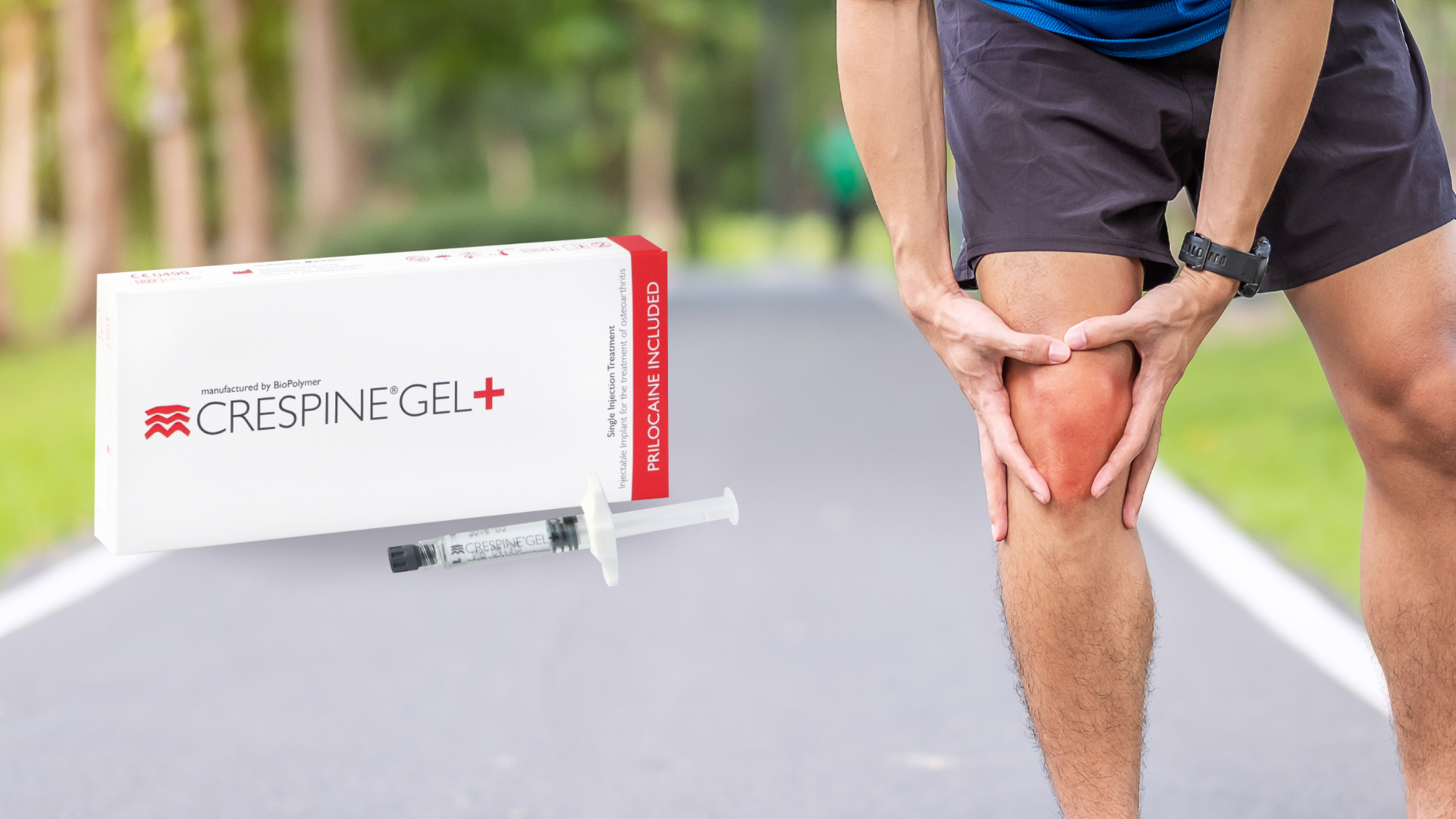
Crespine injection is a cutting-edge solution designed to alleviate joint pain and improve function in individuals suffering from osteoarthritis. At the core of Crespine injection lies the remarkable properties of hyaluronic acid, a key component in maintaining joint health. Qualified healthcare professionals, clinics, and general consumers can order Crespine online from Direct Doctor Supply, a trusted supplier offering authentic orthopedic products for professional treatment needs.
The Role of Hyaluronic Acid in Joint Health
Like many other orthopedic injectables, Crespine injections focus on replenishing a crucial element for healthy joints: hyaluronic acid (HA). Understanding its role in joint health is essential to grasp how Crespine injections function:
- Natural Lubricant: HA, naturally present in healthy joints, acts like a lubricant within the joint capsule. This viscosupplementation effect allows the joint surfaces to glide smoothly, reducing friction and preventing wear and tear on the cartilage.
- Shock Absorber: HA also acts as a shock absorber beyond lubrication. It cushions the joint, minimizing the impact of everyday movement and protecting the cartilage from excessive stress and damage.
- Nutrient Delivery: HA helps deliver nutrients to cartilage, which lacks a direct blood supply. This helps maintain the health and integrity of the cartilage tissue.
However, HA levels naturally decrease as we age. In individuals with osteoarthritis, their joints lose lubrication, and the HA’s protective functions are compromised. This contributes to the pain, stiffness, and reduced mobility associated with the condition. Crespine injections address this by replenishing the depleted HA, potentially restoring its benefits and improving joint health.
Bioengineered Properties of Crespine Injection
While Crespine injections utilize hyaluronic acid (HA) like other joint injections, their effectiveness stems from the unique bioengineered properties of the specific HA used. Crespine stands out for the high-molecular-weight HA in its formulation.
This type of HA offers greater viscosity and elasticity than lower-molecular-weight varieties. As a result, people who receive Crespine shots experience longer-lasting lubrication and joint-cushioning effects.
Furthermore, Crespine injections use cross-linked HA and are manufactured through fermentation, ensuring high purity and minimizing the risk of impurities or potential allergic reactions. This contributes to the treatment’s overall safety profile.
Mechanism of Action

Crespine injections target the underlying mechanisms of osteoarthritis by addressing various aspects of the condition.
Lubricating Joints and Reducing Friction
Synovial fluid contains hyaluronic acid (HA), which is crucial in lubricating joints and ensuring smooth movement.[1] Because HA levels naturally decrease over time, joint friction can increase. Crespine gel injections replenish depleted HA.
Because it is injected directly into the affected joint, Crespine helps manage osteoarthritis progression by addressing changes in synovial fluid composition and minimizing cartilage wear and tear.
Reducing Inflammation and Pain
While Crespine injections address lubrication by replenishing hyaluronic acid, their benefits extend beyond that. The anti-inflammatory properties of hyaluronic acid in Crespine help reduce inflammation within the joint, alleviating pain and swelling.
The hyaluronic acid in Crespine gel directly targets the affected joint and underlying inflammatory processes of osteoarthritis, reducing swelling and discomfort. It achieves this by modulating inflammatory chemicals, creating a healthier joint environment, and easing immediate and long-term pain.
Promoting Tissue Regeneration and Repair
While research in this area is ongoing, studies suggest that HA may promote tissue regeneration and repair within the joint. It may stimulate the production of proteoglycans, essential components of healthy cartilage, and contribute to cartilage repair processes.
As a result, individuals may experience sustained improvements in joint function and reduced progression of osteoarthritis. However, Crespine injections are not a cure for osteoarthritis and should not be expected to regenerate damaged cartilage completely.
Clinical Evidence and Research Supporting Crespine Injection
Clinical evidence suggests that intra-articular hyaluronan therapy, like Crespine injections, could support regenerative processes in damaged joints.[1] This not only helps alleviate existing joint damage but also supports long-term joint health by facilitating the repair of damaged cartilage and tissues.
Studies suggest that injections containing hyaluronic acid, such as Crespine, may improve joint lubrication, reduce discomfort, and promote cartilage and bone growth in osteoarthritic joints. Clinical evidence also suggests Crespine is safe for long-term use, with its relieving effects increasing over time.
Pain and stiffness in the joints were significantly reduced five months after the injection. The study also found significant joint improvements nine months later, exceeding Crespine’s expected six-month duration.
Recent Clinical Evidence on Crespine Gel Plus
A 2026 prospective study of 111 patients with knee osteoarthritis evaluated a single Crespine Gel Plus injection over 12 months. Researchers found significant improvements in knee function and pain at 3 and 12 months, with improvements exceeding established minimal clinically important differences. No major adverse events were reported during follow-up.[5]
Safety and Long-term Benefits of Crespine Injection
Crespine injections have a favorable safety profile. Crespine’s bioengineered properties ensure biocompatibility with the human body, minimizing the risk of adverse reactions. However, minor side effects like injection site pain, swelling, or redness can occur in some individuals, but these are usually temporary and subside after a while.
As for the long-term benefits, this treatment can last longer than traditional hyaluronic acid (HA) injections. This means fewer injections over time and can benefit patients seeking long-term management with reduced treatment frequency.
Finally, these injectables may improve quality of life for individuals with osteoarthritis by managing pain and improving joint function, giving them a greater sense of well-being.
Target Audience

Crespine injections offer a promising approach to managing osteoarthritis, potentially benefiting various individuals and healthcare professionals involved in its treatment.
Healthcare Professionals Seeking Effective Osteoarthritis Treatments
Healthcare professionals, particularly those specializing in musculoskeletal conditions, can utilize Crespine as a valuable tool in their treatment plans. Its potential for pain relief, improved joint function, and favorable safety profile make it an attractive option for many patients seeking non-surgical osteoarthritis management.
Staying informed about the latest research on Crespine helps healthcare professionals provide comprehensive information and support informed decision-making for their patients.
Individuals Suffering from Joint Pain and Osteoarthritis
Individuals suffering from moderate knee pain and limitations due to osteoarthritis may find Crespine injections beneficial. While they may have already tried conservative measures, Crespine may offer significant improvements in pain management and joint function, leading to better quality of life and potentially reduced reliance on other medications.
Though the Crespine injection price and other orthopedic treatments can be on the premium side, they can reduce reliance on other medications, essentially becoming cost-efficient in the long run. Interested individuals should consult a healthcare professional to determine whether Crespine suits their case and to explore all available treatment options.
Conclusion
Informed decision-making is critical. By providing comprehensive information about Crespine’s benefits, potential risks, and its role in joint health, healthcare professionals can empower individuals with osteoarthritis to make well-informed choices about their path to pain relief and improved quality of life.
Crespine’s bioengineered design and supporting clinical evidence support its potential as a promising solution for patients seeking long-lasting pain relief and improved function, and for healthcare professionals seeking effective, well-tolerated management strategies for patients with osteoarthritis.
About: Trusted by over 2,000+ global clients since 2014, Direct Doctor Supply has become a leading supplier of cosmetic, skincare, and orthopedic products for medical and aesthetic professionals. Direct Doctor Supply offers a wide range of authentic brand-name products at competitive wholesale prices, sourced from around the world.
FAQs
1. What do Crespine injections do?
Crespine injections relieve pain and improve joint function in individuals with knee osteoarthritis by lubricating the joint to reduce friction, reducing inflammation to reduce pain and stiffness, and potentially promoting tissue repair to support joint health over time.
2. Where is a Crespine injection used?
Crespine injections are used explicitly in the knee joint to address osteoarthritis (OA). However, it can also treat hip pain caused by OA.
3. When can I start feeling the results of Crespine shots?
Pain relief from Crespine injections can vary depending on individual factors. Some people may experience improvement within days, while others may take up to 2 weeks to feel the full effects.
Citations
[1] Vincent, Heather K., et al. “Hyaluronic Acid (HA) Viscosupplementation on Synovial Fluid Inflammation in Knee Osteoarthritis: A Pilot Study.” The Open Orthopaedics Journal, vol. 7, no. 1, Sept. 2013, pp. 378–84. https://doi.org/10.2174/1874325001307010378. Accessed 15 Sept. 2026.
[2] Moreland, Larry W. “Intra-Articular Hyaluronan (Hyaluronic Acid) and Hylans for the Treatment of Osteoarthritis: Mechanisms of Action.” Arthritis Research & Therapy, vol. 5, no. 2, 2003, pp. 54–67. https://www.ncbi.nlm.nih.gov/pmc/articles/PMC165033/. Accessed 15 Sept. 2026.
[3] Jones, R. What Is the Prevalence of Osteoarthritis? Medical News Today, 22 May 2023. Accessed 15 Sept. 2026.
[4] Bashaireh, K., Z. Naser, K. A. Hawadya, S. Sorour, and R. Al-Khateeb. “Efficacy and Safety of Cross-Linked Hyaluronic Acid Single Injection on Osteoarthritis of the Knee: A Post-Marketing Phase IV Study.” Drug Design, Development and Therapy, 1 Apr. 2015, p. 2063. Accessed 15 Sept. 2026.
[5] Suppan, Vijaya Kumar L., et al. “Long-Term Functional and Clinical Outcomes of Intraarticular Double-Cross-Linked High Molecular Weight Hyaluronic Acid (Crespine Gel Plus) Injection in Knee Osteoarthritis: A One Year Prospective Study.” BMC Musculoskeletal Disorders, vol. 27, no. 1, 9 Feb. 2026, p. 209. Accessed 15 Sept. 2026.
Sourcing and accuracy for this article follow our Editorial policy: claims are cross-checked against clinical literature, regulatory filings, and manufacturer specifications before anything is published