


SHARE THIS ARTICLE
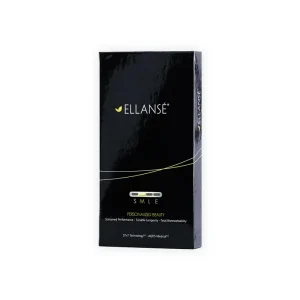
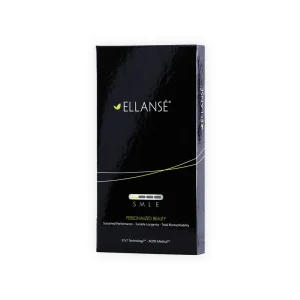
Ellanse
Ellanse FDA Approval Status
Oct 30, 2024
The FDA plays a crucial role in ensuring the safety and efficacy of cosmetic products, with rigorous standards that protect consumers. According to the Modernization of Cosmetics Regulation Act (MoCRA), the FDA’s oversight helps maintain high-quality standards in the cosmetic industry.
Despite the stringent regulations, Ellanse dermal fillers have not yet received FDA approval in the United States. While they are approved in other countries, understanding their current status is essential for practitioners and patients considering this treatment option.
In this article, we will explore the Ellanse FDA approval status in the United States, explain how FDA authorization for dermal fillers works, and review clinical evidence surrounding PCL-based fillers. Moreover, clinics looking to purchase Ellanse wholesale may browse the Direct Doctor Supply catalog to explore an injectable designed to provide initial volume while supporting progressive collagen formation.
Key Takeaways
- Ellanse is a polycaprolactone (PCL)-based dermal filler designed to provide an initial filling effect while stimulating collagen production over time.
- The fact that PCL has applications in FDA-regulated medical devices does not mean that an Ellansé dermal filler has FDA approval for cosmetic injection.
- The current Ellanse FDA approval status is that Ellansé is not listed among FDA-approved dermal fillers for cosmetic use in the United States.
- Clinical studies of PCL-based fillers have reported sustained aesthetic improvement and generally favorable safety outcomes in selected facial applications, particularly the nasolabial folds.
- Regulatory status and clinical evidence are separate considerations. Positive studies from international markets do not by themselves establish FDA authorization or approval for use in the U.S.
About: Trusted by over 2,000+ global clients since 2014, Direct Doctor Supply has become a leading supplier of cosmetic, skincare, and orthopedic products for medical and aesthetic professionals. Direct Doctor Supply offers a wide range of authentic brand-name products at competitive wholesale prices, sourced from around the world.
What is Ellanse and its FDA Approval Status
Ellanse fillers are designed to reduce wrinkles and add volume, giving skin a smoother, fuller appearance. Although their main ingredient is FDA-approved for use in sutures, Ellanse itself has not received FDA approval as a filler in the U.S., a factor that many users and professionals consider essential.

The distinction between the material and the finished product is important when discussing Ellanse FDA approval. PCL is a well-established biomaterial with applications in medical devices and biomedical research, but that does not mean an individual PCL-based dermal filler is FDA-approved. The FDA evaluates dermal fillers as specific products for particular intended uses and anatomical sites.[1]
Still, Ellanse is widely used in places like the UK, where it’s approved by the MHRA and valued for its long-lasting effects, which can last up to four years. However, potential Ellanse problems—including side effects like minor blood build-up—are concerns that FDA approval could help address, reassuring both doctors and patients about its safety and quality.
The Ellanse FDA Approval Process
For a product like Ellanse to gain FDA approval, it needs to meet strict requirements designed to ensure both safety and effectiveness. Since dermal fillers are classified as medical devices, they must undergo rigorous testing and clinical trials before hitting the market. This process helps confirm that products meet high safety standards for use in cosmetic treatments.

If Ellanse were to pursue FDA approval, it would undergo thorough safety evaluations, including clinical trials with a diverse group of patients. These trials would examine how well Ellanse works to smooth wrinkles and enhance skin volume while closely monitoring potential side effects like redness, swelling, or rare issues such as granulomas.
The FDA would also assess the safety of Ellanse’s main ingredient, polycaprolactone, ensuring it interacts safely with the body over the long term.
FDA approval isn’t just about showing results—it’s about proving those results are safe and consistent over time. Approval would provide peace of mind for doctors and patients, confirming that Ellanse meets the highest U.S. standards for safe, reliable, and long-lasting dermal filler options.
Ellanse FDA approval would require evidence concerning the finished product and its proposed uses. FDA authorization should not be inferred simply from the fact that PCL has a history of use in other medical applications.
Safety and Efficacy of Ellanse Fillers
Ellanse treatments have been shown to offer both high efficacy and safety for facial rejuvenation. A review article in Aesthetic Plastic Surgery highlights the superior aesthetic results of Ellanse, noting high patient satisfaction and low side effects. [1]

The study emphasizes the results’ long-lasting nature, making it a favorable choice for individuals seeking facial aesthetic treatments. Additionally, the FDA’s safety report on polycaprolactone (PCL) – the main component of Ellanse – underscores its biocompatibility and positive safety profile in medical devices.
Another important study, a multicenter post-marketing clinical trial, evaluated the long-term safety of Ellanse-S dermal filler for correcting moderate-to-severe nasolabial folds. The trial confirmed that Ellanse-S dermal fillers effectively maintain facial aesthetics with minimal complications, making them a reliable option for practitioners and patients. [2]
These studies collectively provide substantial evidence of the safety and effectiveness of Ellanse treatments.
2026 Study Update
A comprehensive review of polycaprolactone examined its biocompatibility, biodegradability, and broader biomedical applications. The review adds context to the established use of PCL as a biomaterial, but it does not evaluate Ellansé as a finished dermal filler or establish its regulatory status in the United States.
For discussions of Ellanse FDA approval, this distinction is particularly important. Evidence supporting PCL as a biomedical polymer is not equivalent to FDA clearance or approval for a specific injectable filler. The FDA’s dermal filler framework focuses on the safety and effectiveness of the finished product for its intended use and specified anatomical sites.[3]
Conclusion
Ellanse is a PCL-based collagen-stimulating filler with clinical research supporting its use in selected facial applications outside the United States. However, the available clinical evidence should be distinguished from regulatory authorization. As of 2026, Ellansé is not listed among FDA-approved dermal fillers for cosmetic use in the United States.
The Ellanse FDA approval question therefore cannot be answered by pointing to the regulatory status of PCL itself or to clinical studies conducted in other countries. Practitioners should verify current FDA listings, local regulations, product labeling, and the evidence applicable to the intended treatment area before considering its use.
FAQs
1. Are there any known side effects associated with Ellanse?
Like all fillers, Ellanse may have side effects, including minor issues such as swelling or redness at the injection site.
2. How does Ellanse compare to fillers like Radiesse?
Ellanse and Radiesse are popular cosmetic fillers, but they differ in composition and duration of effects. Patients should consult with a qualified healthcare provider to determine which option best meets their needs.
3. What areas of the face can Ellanse be used on?
Ellanse is versatile and can treat various areas of the face, including the cheeks, under the eyes, nasolabial folds, and forehead. It is also suitable for enhancing volume in the hands.
Citations
[1] Chen, Qiyue, and Yongshu Wang. “Ellansé: Advanced Technology and Advantageous Selection of New Collagen Stimulating Agents for Face Rejuvenation.” Aesthetic Plastic Surgery, vol. 48, no. 10, Feb. 2024, pp. 1977–84. https://doi.org/10.1007/s00266-023-03761-w.
[2] “A Prospective, Multicenter, Post-marketing Clinical Follow-up Research to Evaluate the Long-term Safety of Ellansé-S Dermal Filler Made of PCL Microspheres for the Correction of Moderate-to-severe Nasolabial Folds.” ichgcp.net, Apr. 2025, ichgcp.net/clinical-trials-registry/NCT06243315.
[3] Dubey, Swati, et al. “A Comprehensive Review on Polycaprolactone: A Promising Polymer for Enhancing Drug Bioavailability.” Polymer-Plastics Technology and Materials, vol. 64, no. 13, May 2025, pp. 2106–27. https://doi.org/10.1080/25740881.2025.2499826.
[4] Center for Devices and Radiological Health. “FDA-Approved Dermal Fillers.” U.S. Food And Drug Administration, 9 Nov. 2020, www.fda.gov/medical-devices/aesthetic-cosmetic-devices/fda-approved-dermal-fillers.
[5] Moers-Carpi, Marion, et al. “European Multicenter Prospective Study Evaluating Long-Term Safety and Efficacy of the Polycaprolactone-Based Dermal Filler in Nasolabial Fold Correction.” Dermatologic Surgery, vol. 47, no. 7, Mar. 2021, pp. 960–65. https://doi.org/10.1097/dss.0000000000002978.
Sourcing and accuracy for this article follow our Editorial policy: claims are cross-checked against clinical literature, regulatory filings, and manufacturer specifications before anything is published