


SHARE THIS ARTICLE
Ellanse
Ellanse Problems – What Can Your Patients Expect
Oct 30, 2024
According to the American Society of Plastic Surgeons, dermal fillers were the second most popular minimally invasive cosmetic procedure in the United States in 2023. These treatments provide a non-surgical option for facial rejuvenation, making them a popular choice for those looking to enhance their appearance.
Despite their appeal, Ellanse dermal fillers can come with specific risks. Patients may experience side effects such as redness, swelling, or, in rare cases, granulomas or nodules. Both patients and practitioners should be aware of these potential issues to make well-informed treatment decisions.
This article explores common Ellanse problems and offers insight into what patients may expect. Professionals who buy Ellanse online from Direct Doctor Supply can consider its use when treatment goals extend beyond temporary correction and include gradual improvement in facial structure.Professionals who buy Ellanse online from Direct Doctor Supply can consider its use when treatment goals extend beyond temporary correction and include gradual improvement in facial structure.
Key Takeaways
- Ellanse fillers are a popular choice for facial rejuvenation, offering long-lasting results compared to other fillers like Sculptra.
- Patients should have realistic expectations regarding the results and duration of Ellanse treatments.
- Potential complications, such as swelling, bruising, and lumps, may occur, but they can be managed with proper care and follow-up.
- It is crucial to seek a qualified, experienced practitioner for Ellanse treatments to ensure safety and effectiveness.
- Open communication between patients and practitioners is essential to address any concerns or questions about Ellanse treatments.
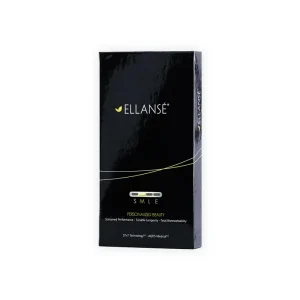
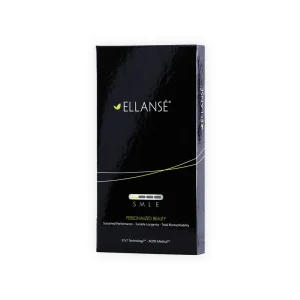
About: Trusted by over 2,000+ global clients since 2014, Direct Doctor Supply has become a leading supplier of cosmetic, skincare, and orthopedic products for medical and aesthetic professionals. Direct Doctor Supply offers a wide range of authentic brand-name products at competitive wholesale prices, sourced from around the world.
Realistic Expectations for Ellanse Treatments
Setting realistic expectations is key to a satisfying Ellanse treatment experience. Before starting, it’s important to discuss how Ellanse works, the expected outcomes, and the duration of results. Ellanse is a unique dermal filler that not only smooths wrinkles but also enhances areas like the under-eyes and forehead by stimulating the body’s natural collagen production.

Image courtesy of Clinicbe
Patients should be aware of common, mild side effects like redness and swelling, which typically resolve quickly. It’s also helpful to explain that results can vary; some may see improvement sooner, while for others, it may take a little longer. Comparing Ellanse to other fillers, like Sculptra or Radiesse, and reviewing Ellanse before and after photos can help patients feel more informed and comfortable about their decision.
Potential Ellanse Problems and How to Manage Them
Like any cosmetic treatment, Ellanse injections can have minor side effects. Patients need to know what to expect and how to handle any discomfort. Here’s a list of common Ellanse problems:

- Pain or a stinging sensation at the injection site
- Redness and swelling
- Bruising or tenderness
- Itching or mild skin discoloration
- A bit of bleeding right after the injection
These effects are usually mild and go away within a few days. It’s helpful to let patients know that these reactions are normal. Simple steps, like using an ice pack for swelling, taking it easy on exercise for a day, and using acetaminophen for any soreness (but avoiding aspirin to reduce bruising), can make a big difference.
Patients should feel comfortable reaching out with any concerns. Reassurance and clear communication are key to making the experience as smooth and stress-free as possible.
Steps to Take if Complications Arise Post-treatment
Even with the best care, sometimes unexpected Ellanse problems can happen. Here’s how to handle them if they do:
- Keep an Eye on Symptoms: Mild redness, swelling, or bruising is common, but let us know if it worsens.
- Pain Management: A little discomfort is normal, but if the pain feels intense, schedule a visit to your provider.
- Allergy Awareness: Look for signs of an allergic reaction, like hives or trouble breathing, and seek immediate medical help if needed.
- Cold Packs: Apply a cold pack to reduce swelling, but avoid placing ice directly on your skin.
- Hands Off: Try to avoid touching or pressing on the treated area, and stay out of direct sunlight until any swelling goes down.
- Check-In: Schedule a follow-up to ensure everything is on track and address any remaining questions.
Ensuring Safety and Effectiveness of Ellanse Treatments
Selecting a qualified and experienced practitioner is essential for achieving safe, effective results with Ellanse treatments.[1] A skilled provider can offer personalized care and reduce procedure-related risks or Ellanse problems. Here’s what to consider when selecting a practitioner:

- Experience: Seek a practitioner with extensive experience in Ellanse treatments who is knowledgeable about the unique qualities of Ellanse compared to other fillers, such as Sculptra.
- Clear Communication: A reputable practitioner will clearly explain the treatment process, set realistic expectations, and provide information on the expected duration of results.
- Preparedness for Side Effects: It is important to choose a provider who can manage potential side effects, such as swelling or mild discoloration, with appropriate protocols in place.
- Adherence to Safety Standards: Practitioners should strictly follow FDA guidelines and maintain high safety standards to ensure patient well-being.
- Comprehensive Aftercare Instructions: Proper aftercare is key to achieving optimal results, and practitioners should provide clear guidance, such as advising patients to avoid strenuous activity for 24-48 hours and to use ice packs to minimize swelling.
- Follow-Up Care: Scheduling a follow-up appointment within a week or two allows the practitioner to monitor the patient’s progress and address any post-treatment concerns.
Choosing the right practitioner ensures a smooth, safe treatment experience and the necessary support after the procedure. A qualified provider will enhance the effectiveness of the treatment, carefully manage any Ellanse problems, and work toward the best possible outcomes with Ellanse.
2026 Study Update
A 2026 retrospective study examined full-face treatment with Ellansé, a polycaprolactone (PCL)-based dermal filler, using standardized before-and-after photographs from 31 patients. Researchers found statistically significant reductions in shadowed areas in eight of the 11 treated facial regions, suggesting improved projection in areas such as the infraorbital margin, nasolabial folds, and pre-jowl region. No significant changes were observed in the zygomatic, mandibular angle and ramus, or labiomental sulcus regions.[2]
Although no serious adverse effects were recorded in this small sample, the authors noted limitations including the retrospective design and reliance on photographic measurements. The findings offer useful clinical context for Ellansé outcomes, but do not rule out the possibility of complications or establish safety across all patients and injection techniques.
Addressing Patient Ellanse Problems or Concerns and Questions
Helping patients feel comfortable and informed about Ellanse treatments can go a long way in easing any worries they might have. Taking time for open conversations about what to expect and answering their questions directly makes a big difference. Providing simple resources, like flyers or links to trusted websites with FDA information, can also help patients feel more confident.
It’s reassuring to let patients know that while serious side effects are rare, mild reactions like redness, swelling, or itching can happen but usually go away quickly. Showing before-and-after photos can set realistic expectations, and taking time to listen to each patient’s goals helps build trust.
Encouraging patients to raise concerns—including questions about Ellanse problems—helps establish realistic expectations and ensures that symptoms needing assessment are not overlooked.
Conclusion
Doctors should clearly communicate the benefits and possible side effects of Ellanse treatments, like redness or swelling. Selecting a skilled practitioner enhances both safety and results. Encouraging patients to ask questions builds trust, creating a positive experience through open communication and attentive care.
FAQs
1. What is Ellanse, and has it received FDA approval?
Ellanse is a dermal filler used in cosmetic procedures. It has received FDA approval, confirming its adherence to safety standards set by the Food and Drug Administration.
2. What complications might patients experience with Ellanse?
As with any medical procedure, Ellanse may lead to side effects, including swelling, redness, or discomfort at the injection site.
3. Should patients anticipate serious complications from Ellanse?
While most side effects are mild and transient, some individuals may encounter more severe issues, such as lumps or granulomas at the injection site.
Citations
[1] Khiabanloo, Samad Rezaee, et al. “Effectiveness of Jawline, Jaw Angle, and Marionette Lines Correction in Combination With Double Needles Threads (APTOS) and a Collagen‐stimulating Dermal Filler (ELLANSE): An Innovative Technique.” Journal of Cosmetic Dermatology, vol. 21, no. 10, May 2022, pp. 4727–34. https://doi.org/10.1111/jocd.15042.
[2] Gomes, Mírian Cristina, et al. “Effectiveness of Polycaprolactone-based Dermal Fillers for Full-face Rejuvenation.” Journal of Cosmetic and Laser Therapy, July 2026, pp. 1–6. https://doi.org/10.1080/14764172.2026.2697503.
[3] Lin, Shang-Li, and Marie-Odile Christen. “Polycaprolactone-based dermal filler complications: A retrospective study of 1111 treatments.” Journal of Cosmetic Dermatology, vol. 19, no. 8, 2020, pp. 1907–1914. DOI: 10.1111/jocd.135
[4] American Society of Plastic Surgeons. “Plastic Surgery Statistics.” American Society of Plastic Surgeons, www.plasticsurgery.org/plastic-surgery-statistics.
Sourcing and accuracy for this article follow our Editorial policy: claims are cross-checked against clinical literature, regulatory filings, and manufacturer specifications before anything is published