


SHARE THIS ARTICLE
Dermalax
Dermalax vs Neuramis – Which Is the Better Alternative?
Nov 12, 2024
Dermal fillers have come a long way since their inception in the late 1970s, evolving from early experiments with bovine collagen to today’s advanced, hyaluronic acid-based formulations. These injectable treatments have become a cornerstone of aesthetic medicine, offering non-surgical solutions for facial rejuvenation and volume restoration.
Dermalax and Neuramis are two dermal fillers known for their hyaluronic acid-based formulas. Dermalax enhances skin elasticity for natural results, while Neuramis is praised for its versatility and long-lasting effects. Both fillers address various aesthetic needs, making them popular choices in cosmetic treatments.
In this article, we will compare Dermalax vs Neuramis, examining their benefits, applications, and how they cater to different patient goals.
Key Takeaways
- Dermalax and Neuramis are hyaluronic acid-based fillers designed for skin rejuvenation, volume restoration, and wrinkle smoothing.
- Dermalax features a higher HA concentration, providing intense hydration and volume enhancement, while Neuramis focuses on achieving natural-looking results with S.H.A.P.E. technology.
- Dermalax is more suitable for broader facial contouring, whereas Neuramis excels in lip enhancement and fine-line reduction.
- Results from Dermalax typically last 6–12 months, while Neuramis can maintain effects for up to 12 months with proper care.
- Both fillers are widely accessible, budget-friendly, and customizable for individual treatment needs, making them popular for patients and practitioners.
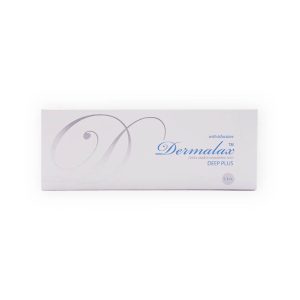
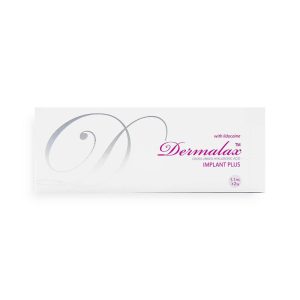
About: Trusted by over 2,000+ global clients since 2014, Direct Doctor Supply has become a leading supplier of cosmetic, skincare, and orthopedic products for medical and aesthetic professionals. Direct Doctor Supply offers a wide range of authentic brand-name products at competitive wholesale prices, sourced from around the world.
Understanding Dermalax vs Neuramis
Dermalax and Neuramis are leading Korean dermal fillers, both utilizing hyaluronic acid (HA) to restore volume and rejuvenate the skin [1].

Dermalax is known for its high HA concentration, boosting collagen and elastin for firmer, more elastic skin. It’s ideal for lip enhancement, contouring, and rejuvenation, offering natural-looking results at an affordable cost.
Neuramis uses S.H.A.P.E. (Stabilized Hyaluronic Acid & Purification Enhancement) technology to support smooth integration and durable correction across different facial areas. Its range can be used for concerns such as fine lines, wrinkles, lip enhancement, and volume restoration in areas like the cheeks. Practitioners planning to order Dermalax online should consider the specific formulation, treatment depth, and intended aesthetic goal so product selection matches the procedure being performed.
The Composition and Functionality
Dermalax and Neuramis are renowned hyaluronic acid (HA) fillers designed for wrinkle smoothing, volume restoration, and skin rejuvenation. While both share HA as their main component, their unique formulations offer distinct advantages.

Dermalax
- Higher HA Content: When comparing treatments like Dermalax vs Juvederm or Neuramis, Dermalax is often praised for its high concentration of HA that ensures excellent hydration and volume.
- Cell Regeneration: It stimulates collagen and elastin production, enhancing skin texture and elasticity.
- Advanced Sculpting: The ultra-reticulated HA makes it ideal for lip enhancement and precise contouring.
Neuramis
- Smooth Skin: Neuramis offers a seamless finish, making it perfect for treating fine lines and wrinkles.
- Versatility: Its consistency and safety make it a popular choice for facial rejuvenation and lip treatments.
- Long-Lasting Effects: With proper care, Neuramis fillers provide results that can last up to 12 months, maintaining a youthful and refreshed appearance.
Aesthetic Results and Patient Satisfaction
The patient, Emma, received Dermalax filler using the Russian technique to achieve ultimate lip volume, as her lips were naturally very thin. This provided the fullest lips she’s ever had, though results may vary.

Image Courtesy of New Image Aesthetics
Neuramis, with its smooth, gel-like consistency, excels in delicate areas like under the eyes and lips, offering refined enhancement. The patient experienced a natural, refreshed transformation with subtle enhancements using Neuramis. Expertly applied, these small tweaks resulted in a noticeable improvement.

Image Courtesy of Neuramis.UK
Treatment Goals and Patient Preferences
The primary objectives of Dermalax and Neuramis include:
- Smoothing Wrinkles: Reducing lines around nasolabial folds, marionette lines, and other facial areas.
- Volume Restoration: Adding fullness to cheeks, temples, and under-eye hollows for a refreshed appearance.
- Lip Enhancement: Creating naturally fuller, well-defined lips without overcorrection.
- Improving Skin Texture: Enhancing elasticity and hydration for a radiant, smooth complexion.
Patient Preferences
Patients often prefer treatments with minimal downtime, natural-looking results, and longevity. Dermalax and Neuramis provide:
- Tailored Treatments: Flexible options to suit individual needs, from light rejuvenation to dramatic enhancement.
- Quick Recovery: Most patients resume daily activities immediately post-procedure.
- Comfortable Procedures: Both fillers can include lidocaine to minimize discomfort during treatment.
Comparing Safety and Side Effects
Dermalax has proven safe and effective for treating moderate to severe nasolabial folds. Clinical studies show significant improvements up to 48 weeks after injection. High-quality hyaluronic acid and advanced technology ensure reliable, long-lasting results with minimal side effects.
Similarly, Neuramis has demonstrated safety and efficacy in clinical trials, particularly when compared to Restylane. These studies highlight Neuramis Deep’s ability to effectively improve nasolabial folds, with a strong safety profile and comparable effectiveness to other leading dermal fillers. Both fillers offer trusted, reliable solutions for facial rejuvenation.
Clinical Studies: Dermalax and Neuramis Safety
Clinical evidence supports the use of both Dermalax and Neuramis for nasolabial fold correction. In a randomized, double-blind study of 324 adults, Dermalax DEEP was compared with Restylane over 48 weeks. At Week 24, the effective response rate was 93.75% with Dermalax and 89.44% with Restylane, with Dermalax maintaining improvement through later follow-up points. The study concluded that Dermalax was noninferior to, and in some later assessments performed better than, the comparator for moderate-to-severe nasolabial folds [2].
Neuramis Deep has also been evaluated in a Phase III randomized, multicenter, split-face trial involving 67 participants. Each participant received Neuramis Deep on one nasolabial fold and Restylane on the other. At follow-up through 24 weeks, Neuramis Deep was found to be noninferior to Restylane, with no significant differences between the products in the study’s safety parameters [3].
Together, these studies suggest that both fillers can provide effective nasolabial fold correction with acceptable safety profiles in the populations studied. Product selection should still account for formulation, treatment depth, individual anatomy, and the regulatory status of each filler in the practitioner’s market.
Cost and Accessibility: Comparing Dermalax vs Neuramis
In terms of cost, Dermalax generally offers a lower price point, which is attributed to its efficient production process, making it a budget-friendly choice for patients and practitioners alike. Neuramis, while slightly more expensive, delivers excellent value with its reliable, long-lasting results.
Both fillers are widely available and have strong international distribution, ensuring accessibility in aesthetic clinics across Europe, Asia, and the Middle East. Their affordability and proven safety and efficacy make them popular among patients seeking cost-effective yet high-performing dermal fillers.
Conclusion
Choosing between Dermalax vs Neuramis ultimately comes down to your unique aesthetic goals. Dermalax excels in volume restoration and skin smoothing, making it ideal for broader facial rejuvenation. On the other hand, Neuramis is often favored for its ability to deliver subtle, natural-looking lip enhancements.
Both fillers are safe, effective, and widely trusted. Cost considerations and desired outcomes should guide your decision, and consulting a skilled practitioner can ensure the best choice for your needs.
FAQs
1. What is Dermalax used for?
Dermalax treats wrinkles, restores volume, and enhances facial contours by filling in lines and areas of lost volume.
2. How long do Dermalax results last?
Dermalax results typically last 6 to 12 months, depending on the area treated.
3. Are there any side effects with Dermalax?
Side effects are rare but may include mild swelling, bruising, or redness at the injection site, which usually resolves within a few days.
4. How quickly will I see results from Dermalax?
Results are immediate, with optimal effects visible within a few days as any swelling subsides.
Citations
[1] American Society of Plastic Surgeons. “Dermal Fillers: Types.” American Society of Plastic Surgeons, 2018, https://www.plasticsurgery.org/cosmetic-procedures/dermal-fillers/types.
[2] Qiao, Ju, et al. “The Efficacy and Safety of Dermalax™ DEEP in the Correction of Moderate to Severe Nasolabial Folds: A Multicenter, Randomized, Double-Blind Clinical Study.” The Journal of Dermatological Treatment, vol. 32, no. 5, 2021, pp. 548–555. https://doi.org/10.1080/09546634.2019.1687814.
[3] Pak, Changsik, et al. “A Phase III, Randomized, Multi-Center, Double-Masked, Matched-Pairs, Active-Controlled Trial to Compare the Efficacy and Safety between Neuramis Deep and Restylane in the Correction of Nasolabial Folds.” Archives of Plastic Surgery, vol. 42, no. 6, 2015, pp. 721–728. https://doi.org/10.5999/aps.2015.42.6.721.
Sourcing and accuracy for this article follow our Editorial policy: claims are cross-checked against clinical literature, regulatory filings, and manufacturer specifications before anything is published