

SHARE THIS ARTICLE
Neauvia
Neauvia Filler vs Juvederm – Which Dermal Filler Should You Choose?
Dec 23, 2024
Hyaluronic acid is known for enhancing skin health, and studies show it can significantly improve skin hydration and elasticity. As we age, our skin’s natural hyaluronic acid production decreases, leading to dryness and loss of firmness.
Neauvia filler and Juvederm are two popular dermal fillers that utilize hyaluronic acid to combat these signs of aging. Both treatments aim to restore skin volume and improve appearance, but their formulations and specific applications differ. Understanding these differences can help you choose the best option for your aesthetic needs.
In this article, we will compare Neauvia filler vs Juvederm, discussing their benefits, key ingredients, and how they work to rejuvenate your skin.
Key Takeaways
- Neauvia fillers use highly crosslinked hyaluronic acid and amino acids, offering long-lasting results, improved skin elasticity, and natural volume restoration.
- Juvederm employs advanced hyaluronic acid technologies like Vycross® and Hylacross™, delivering smooth consistency, immediate results, and extended longevity.
- Neauvia excels in areas like cheeks, temples, and jawlines, while Juvederm is ideal for fine lines, wrinkles, and precise applications like lip enhancement.
- Patient goals, treatment areas, and desired outcomes are critical factors in selecting the most appropriate filler for optimal results.
About: Trusted by over 2,000+ global clients since 2014, Direct Doctor Supply has become a leading supplier of cosmetic, skincare, and orthopedic products for medical and aesthetic professionals. Direct Doctor Supply offers a wide range of authentic brand-name products at competitive wholesale prices, sourced from around the world.
Understanding Neauvia Filler vs Juvederm
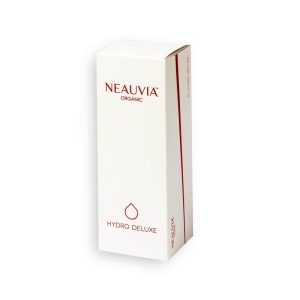
Neauvia and Juvederm are popular dermal fillers for facial rejuvenation, but their formulation and results differ. Neauvia fillers are made from a combination of hyaluronic acid and polycaprolactone (PCL), offering natural-looking results and long-lasting effects. They are ideal for volumizing and improving skin elasticity.

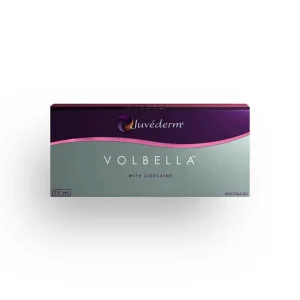
On the other hand, Juvederm is a hyaluronic acid-based filler that smooths wrinkles, adds volume, and enhances facial contours. Juvederm offers immediate results and is known for its smooth texture, making it a versatile choice for various facial areas. Both are safe options with minimal downtime. With a focus on product authenticity and customer convenience, Direct Doctor Supply offers a streamlined way to purchase Neauvia wholesale at competitive prices.
Formulation and Composition
The differences in Neauvia filler vs Juvederm become clearer when examining their formulations and the technologies behind them. Neauvia uses highly crosslinked hyaluronic acid (HA) combined with amino acids such as glycine and L-proline. This formulation is designed to provide structural support, improve skin elasticity, and support collagen production while maintaining long-lasting volume.
Juvederm fillers are renowned for their smooth gel consistency, created using advanced Vycross® and Hylacross™ technologies. These formulations combine high- and low-molecular-weight hyaluronic acid for better tissue integration and longer-lasting results. Juvederm’s cohesive gel texture ensures natural-looking results, particularly in areas requiring precision, such as the lips and cheeks.
Clinical Applications and Expected Outcomes
Neauvia and Juvederm are highly effective dermal fillers, but their clinical applications and expected outcomes vary by formulation and treatment goals.[2]

Neauvia Filler Clinical Applications
- Facial Volume Restoration: Ideal for cheeks, temples, and jawlines.
- Skin Tightening: Stimulates collagen production to improve skin elasticity.
- Deep Wrinkle Correction: Treats nasolabial folds and deep lines.
- Hydration & Skin Quality: Provides long-lasting hydration and firmness.
Recent Research Highlights Neauvia’s Tissue Integration and Skin-Rejuvenating Effects
A 2025 prospective observational study involving 60 patients evaluated Neauvia Intense, a PEGDE-crosslinked hyaluronic acid filler, for treating severe nasolabial folds. Over six months, researchers observed significant improvements in skin hydration, while ultrasound imaging demonstrated homogeneous filler distribution and progressive tissue integration. Mild, temporary adverse events were reported in 15% of participants, with no serious complications, nodules, or granulomatous reactions observed. These findings provide further clinical evidence that Neauvia can improve facial appearance while supporting favorable tissue integration and tolerability.[5]
This filler typically provides subtle, natural results with a longer-lasting effect (up to 18 months). Collagen stimulation improves skin texture and tone over time.
Juvederm Clinical Applications
- Wrinkle Treatment: Effective for crow’s feet, forehead lines, and smile lines.
- Lip Enhancement: Adds volume and smoothness to lips.
- Facial Contouring: Targets areas like cheeks, jawline, and under-eye hollows.
- Hand Rejuvenation: Reduces signs of aging on the hands.
Juvederm provides instant results with smoother, plumper skin and enhanced facial volume. Depending on the product, effects last between 6 months and 2 years.
Choosing the Right Filler for Your Patients
When choosing between Neauvia filler and Juvederm, consider the patient’s goals and treatment areas. Neauvia filler, with its highly crosslinked hyaluronic acid and amino acids, is ideal for patients seeking longevity and natural-looking results in areas like the cheeks and lips.

On the other hand, Juvederm is known for its smooth consistency and hyaluronic acid formulation, making it perfect for enhancing skin hydration and elasticity in areas prone to fine lines and wrinkles.
Healthcare professionals may also compare Neauvia Hydro Deluxe vs Profhilo when focusing on hydration and skin texture. Similarly, when deciding between Neauvia and Juvederm, consider the filler’s intended purpose to ensure the chosen product aligns with the patient’s expectations and treatment goals.
Conclusion
When comparing Neauvia filler vs Juvederm, consider their unique formulations and benefits for different aesthetic needs. Neauvia’s amino acids support collagen production and skin rejuvenation, making it suitable for patients seeking natural-looking, long-lasting results. On the other hand, Juvederm’s smooth gel consistency and advanced technology provide versatile solutions for facial contouring, hydration, and volume restoration.
Whether restoring volume, enhancing facial features, or addressing fine lines, both Neauvia and Juvederm offer safe and effective options for achieving desired outcomes.
FAQs
1. How does Neauvia work?
Neauvia combines hyaluronic acid with polycaprolactone (PCL) to stimulate collagen production, improve skin elasticity, and restore natural-looking volume.
2. Is Neauvia suitable for sensitive skin?
Yes, Neauvia is biocompatible and safe for most skin types, including sensitive skin, making it ideal for delicate areas like the under-eye and neck.
3. Are there any side effects of Neauvia?
Common side effects may include mild swelling, redness, or bruising at the injection site, which typically subsides within a few days. Serious side effects are rare when administered by experienced professionals.
4. How soon will I see results from Neauvia?
Results are visible immediately, with full effects developing over a few weeks as collagen production is stimulated.
Citations
[1] Dermal Fillers. American Society of Plastic Surgeons. Accessed 1 Oct. 2026. https://www.plasticsurgery.org/cosmetic-procedures/dermal-fillers.
[2] Liu, K., and J. Nassim. “The Hype on Hyaluronic Acid.” Harvard Health Blog, 23 Jan. 2020. https://www.health.harvard.edu/blog/the-hype-on-hyaluronic-acid-2020012318653.
[3] Dermal Filler Do’s and Don’ts for Wrinkles, Lips and More. FDA, 4 Feb. 2022.
[4] Kim, B. R., J. W. Shin, D. W. Kim, et al. “Efficacy and Safety of New Hyaluronic Acid Filler for Nasolabial Fold Correction: A Double-Blind, Randomized Trial.” Plastic and Reconstructive Surgery, vol. 157, no. 2, 2026, pp. 249–56. doi:10.1097/PRS.0000000000012320.
[5] Zerbinati N, Carugno A, Guida S, et al. Assessment of Safety and Tissue Integration of PEGDE-Based Hyaluronic Acid Filler for Severe Nasolabial Folds: A Prospective Observational Study with Biophysical and Ultrasound Evaluation. Cosmetics2025;12(6):275. doi:10.3390/cosmetics12060275
Sourcing and accuracy for this article follow our Editorial policy: claims are cross-checked against clinical literature, regulatory filings, and manufacturer specifications before anything is published