

SHARE THIS ARTICLE
Neauvia
Neauvia Filler Side Effects – A Comprehensive List
Dec 24, 2024
Dermal fillers have become increasingly popular, with the global market size estimated at around $5.5 billion USD in 2022 and a projected compound annual growth rate of over 10% in the next decade. While generally safe, these treatments can have side effects.
Neauvia fillers, known for their innovative Smart Crosslinking Technology (SXT), are among the options available to patients seeking aesthetic improvements. These fillers promote collagen production and deliver natural-looking results.
This article explores the full list of Neauvia filler side effects, including common reactions and how to manage them.
Key Takeaways
- Mild swelling, redness, and bruising at the injection site are common after Neauvia treatments, typically resolving within a few days.
- Rare side effects may include lump formation, infection, or allergic reactions, though these are infrequent with proper aftercare.
- Some individuals may experience temporary itching, tenderness, or mild discomfort in treated areas, which generally subsides after a few hours.
- While uncommon, some patients may notice slight asymmetry or overcorrection, which can be addressed with follow-up treatments.
- Neauvia fillers are generally safe, but long-term risks include nodules or skin necrosis if injected incorrectly or in high concentrations.
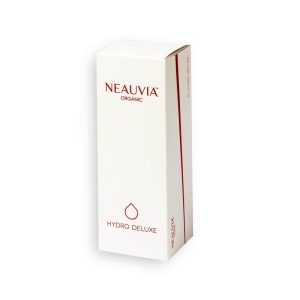
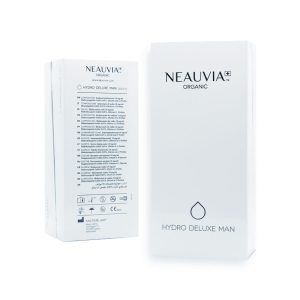
About: Trusted by over 2,000+ global clients since 2014, Direct Doctor Supply has become a leading supplier of cosmetic, skincare, and orthopedic products for medical and aesthetic professionals. Direct Doctor Supply offers a wide range of authentic brand-name products at competitive wholesale prices, sourced from around the world.
Common Side Effects of Neauvia Fillers
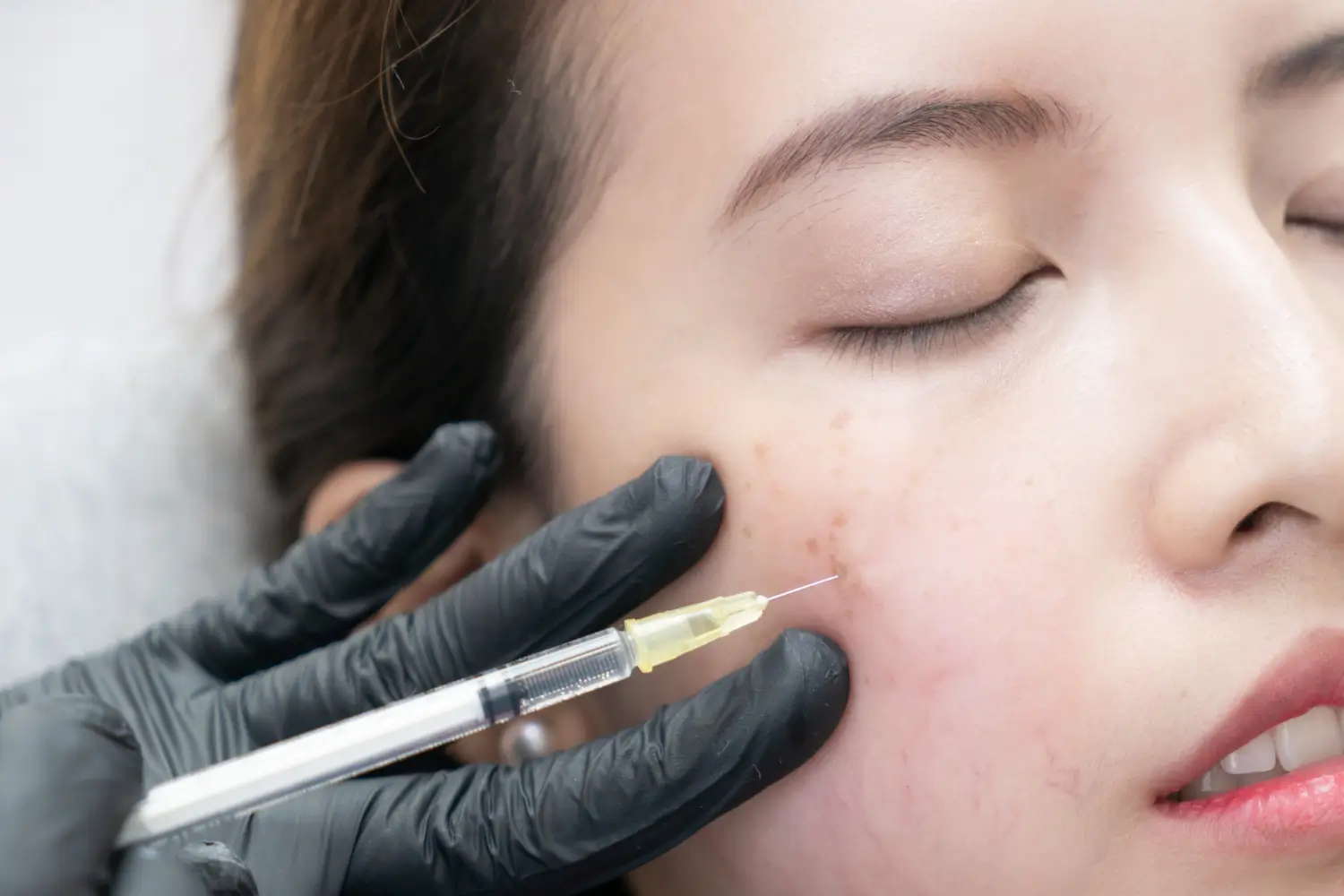
Neauvia fillers are generally well tolerated, but like any injectable treatment, they may cause mild, temporary side effects. These reactions typically resolve on their own within a few days.

- Redness and Swelling: The treated area may appear red or slightly swollen immediately after the procedure. This natural response to the injection process usually subsides within 24–48 hours.
- Bruising: The needle may puncture small blood vessels, causing minor bruising at the injection site. Applying a cold compress post-treatment can help minimize this effect.
- Tenderness at the Injection Site: Patients may experience mild discomfort or sensitivity in the treated area. This tenderness typically fades within a few days and can be alleviated with over-the-counter pain relievers.[1]
What 2025 Research Says About HA Filler Safety
A 2025 randomized, double-blind, split-face clinical trial evaluated the safety and effectiveness of a hyaluronic acid (HA) filler over 48 weeks. The most frequently reported treatment-related symptoms were pain and swelling, while the study found no significant safety differences between the HA filler and the existing control filler. These findings provide additional evidence that common reactions following HA filler injections are generally manageable and that HA fillers can have a favorable safety profile when appropriately administered.[5]
Practitioners, clinics, and consumers seeking to order Neauvia wholesale or individually can turn to Direct Doctor Supply for authentic, branded products and a convenient purchasing experience.
Less Common Side Effects of Neauvia Fillers
While rare, some individuals may experience less common side effects following Neauvia filler treatments. These complications require prompt attention to ensure proper management and patient safety.

- Infections: Infections can occur if the injection site is not sterilized properly or if post-treatment care instructions are not followed. Signs include redness, warmth, pain, or pus at the injection site. Contact your practitioner immediately if you suspect an infection.
- Nodules or Lumps: Small nodules or lumps may occasionally form under the skin. These are often caused by uneven filler placement or the body’s reaction to the product. Massaging the area as a practitioner directs can help dissolve minor lumps, while more persistent nodules may require further intervention.
Managing Neauvia Filler Side Effects
Proper aftercare plays a vital role in minimizing and managing Neauvia filler side effects after treatment. Provide patients with clear care instructions to support a smooth recovery and optimal results.

- Addressing Redness and Swelling: Patients can apply a cold compress to the treated area for 10–15 minutes at a time to reduce swelling and redness. Avoiding excessive heat, alcohol, and strenuous exercise for 24–48 hours can further minimize these effects.
- Preventing Infections: Keeping hands clean and avoiding touching the injection sites reduces the risk of infection. Practitioners should emphasize the importance of post-treatment hygiene.
- Managing Bruising and Tenderness: Over-the-counter pain relief, such as acetaminophen, can alleviate discomfort. Patients should avoid blood-thinning medications, such as aspirin, unless prescribed, as they may increase bruising.
For patients concerned about their results, reviewing Neauvia before and after photos during consultations can help set realistic expectations. Open communication between practitioners and patients helps manage side effects effectively and achieve aesthetic goals.
Conclusion
Neauvia fillers offer a safe, innovative option for aesthetic enhancement, delivering natural-looking results with minimal downtime. While common Neauvia filler side effects such as redness, swelling, and tenderness are typically mild and temporary, patients and practitioners must also be aware of less common complications like infections or nodules. Proper injection techniques and clear aftercare instructions can significantly reduce risks and support patient satisfaction.
Open communication during consultations, including setting realistic expectations and reviewing results such as Neauvia before and after photos, is essential to achieving successful outcomes. By following best practices, both patients and medical professionals can enjoy the transformative benefits of Neauvia fillers while maintaining safety and satisfaction.
FAQs
1. How long do Neauvia fillers last?
Neauvia fillers typically last between 9 to 18 months, depending on the treatment area, the product used, and individual factors like skin type and lifestyle.
2. How soon can I see the results from the Neauvia fillers?
Results are typically visible immediately after the treatment. However, some swelling may mask the final outcome for a few days, and results improve as the filler settles into the skin.
3. Can Neauvia fillers be used for lip augmentation?
Yes, Neauvia fillers are commonly used for lip enhancement. They provide natural-looking volume and contour while maintaining a soft, smooth texture that enhances lip shape and definition.
Citations
[1] Robinson, J. Pain Medications. WebMD, 20 Sept. 2023. Accessed 1 Oct. 2026. https://www.webmd.com/pain-management/pain-relievers.
[2] Faizullabhoy, M., and G. Wani. Dermal Filler Market—by Product (Absorbable), Material (Calcium Hydroxylapatite, PMMA, Collagen), Application (Face Lift, Acne Scar, Lipoatrophy, Breast Enhancement), End-use (Hospitals, Dermatology Clinics) & Forecast 2023–2032. Global Market Insights, 2023. https://www.gminsights.com/industry-analysis/dermal-filler-market.
[3] Dermal Fillers: Purpose, Procedure, Recovery, Effectiveness, Risks. Healthline, 24 Apr. 2023. https://www.healthline.com/health/dermal-fillers.
[4] Colon, J., S. Mirkin, P. Hardigan, M. J. Elias, and R. J. Jacobs. “Adverse Events Reported From Hyaluronic Acid Dermal Filler Injections to the Facial Region: A Systematic Review and Meta-Analysis.” Cureus, vol. 15, no. 4, 2023, p. e38286. doi:10.7759/cureus.38286.
[5] Cho, J. Y., S. H. Kim, H. Cho, et al. “Noninferiority Study Comparing the Efficacy and Safety of a New Hyaluronic Acid (HA) Filler Containing Lidocaine With an Existing HA Filler for the Treatment of Nasolabial Fold Wrinkles: A Randomized, Double-Blind, Split-Face Trial.” Journal of Cosmetic Dermatology, vol. 24, no. 7, 2025, p. e70309. doi:10.1111/jocd.70309.
Sourcing and accuracy for this article follow our Editorial policy: claims are cross-checked against clinical literature, regulatory filings, and manufacturer specifications before anything is published