


SHARE THIS ARTICLE
Hyafilia
Is Hyafilia FDA Approved? – A Look at Its Approval Status
Jan 8, 2025
Studies and experts underscore the significance of using FDA-approved cosmetic non-invasive products. These products undergo rigorous testing to ensure safety and efficacy, reducing the risk of adverse reactions and complications.
Hyafilia is a widely-used dermal filler that has recently gained attention as it awaits potential FDA approval. Designed to address various aesthetic concerns, such as restoring volume and reducing wrinkles, its regulatory status remains under review.
In this article, we will explore whether Hyafilia is FDA approved and examine feedback from both patients and practitioners to help you understand its benefits and effectiveness.
Key Takeaways
- Hyafilia is not yet FDA-approved in the U.S. but is available in several other countries, pending further approval.
- Hyafilia addresses wrinkles, facial volume loss, and nasolabial folds and enhances facial contours, including cheeks and lips.
- Made from hyaluronic acid, a naturally occurring substance, Hyafilia restores skin hydration, plumps the skin, and smooths wrinkles.
- Common side effects include mild swelling, bruising, or redness. These are temporary and generally resolve within a few days of treatment.
- Hyafilia’s effects typically last 6 to 12 months, with results varying by treatment area and lifestyle factors.
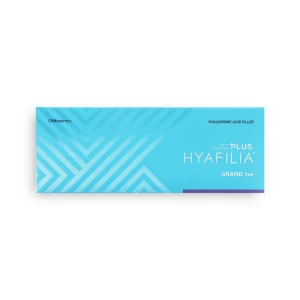
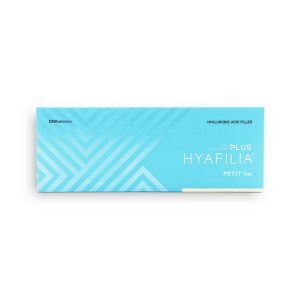
About: Trusted by over 2,000+ global clients since 2014, Direct Doctor Supply has become a leading supplier of cosmetic, skincare, and orthopedic products for medical and aesthetic professionals. Direct Doctor Supply offers a wide range of authentic brand-name products at competitive wholesale prices, sourced from around the world.
What is Hyafilia Filler?
Hyafilia is a hyaluronic acid-based dermal filler designed for facial aesthetics. Hyaluronic acid is a naturally occurring substance in the skin that helps maintain hydration and volume. Clinicians commonly inject it to reduce wrinkles, restore volume, and enhance facial contours. Results are smooth and natural-looking and last 6 to 18 months, depending on the treatment area.

Known for its favorable safety profile and minimal downtime, Hyafilia is a popular option for non-surgical facial rejuvenation. Its potential to deliver long-lasting results with limited recovery time has contributed to its growing use in aesthetic medicine. Direct Doctor Supply offers Hyafilia fillers for qualified professionals, clinics, and consumers looking to purchase Hyafilia wholesale or individually, providing convenient access to products for a range of aesthetic needs.
FDA Approval Process for Hyafilia Filler
When evaluating Hyafilia’s regulatory status, an important question is, “Is Hyafilia FDA approved?” Understanding the FDA approval process for dermal fillers can help practitioners assess a product’s regulatory standing and suitability for use. The FDA evaluates the safety and effectiveness of regulated dermal fillers through applicable review pathways before they can be legally marketed in the United States. Key steps in this process include:

- Device Classification: Determine the device’s classification (Class I, II, or III) based on the risk it poses and the regulatory controls needed to ensure its safety and effectiveness.
- Premarket Notification (510(k)) or Premarket Approval (PMA): Depending on the classification, submit either a 510(k) or PMA application. Hyafilia filler, being a dermal filler, typically requires a PMA.
- Clinical Studies: Conduct controlled clinical studies to gather evidence of the product’s safety and effectiveness.
- Review and Inspection: The FDA reviews the submitted data and may inspect the manufacturing facility to ensure compliance with regulatory standards.
- Approval or Clearance: If the product meets all FDA requirements, it receives approval (PMA) or clearance (510(k)) to be marketed.
2025 FDA Update: Why Dermal Filler Approval Is Product-Specific
A 2025 FDA Executive Summary for the General Issues Panel Meeting on Dermal Fillers highlights the evolving regulatory landscape for injectable aesthetic treatments. The report notes that the FDA issued 13 premarket approval (PMA) decisions for new dermal filler products or indications between the 2021 panel meeting and May 28, 2025. These approvals included additional uses for areas such as the under-eye region, jawline, and temples. The update reinforces that FDA authorization applies to specific products and approved indications, rather than to all hyaluronic acid-based fillers as a category. For Hyafilia, this distinction underscores the importance of verifying its regulatory status directly through FDA resources rather than assuming that approval of other HA fillers extends to it.[5]
The FDA approval process for Hyafilia filler involves thorough and detailed steps to ensure the product is safe and effective for its intended use. This process helps maintain high standards in the medical device industry, ensuring positive Hyafilia patient reviews for safety and efficacy.
Implications of FDA Approval
FDA approval of Hyafilia filler represents a significant milestone, confirming its safety, efficacy, and quality for medical aesthetics. This approval ensures the product meets rigorous standards by U.S. regulatory authorities, giving practitioners and patients confidence in its use. It allows Hyafilia to be marketed and used widely in the U.S. for facial rejuvenation treatments.
Implications of FDA Approval:
- Credibility and Trust: Increases practitioners’ and patients’ trust in the product’s safety.
- Regulated Option: Assures patients of a well-regulated and reliable filler.
- Increased Availability: Opens up broader access to the U.S. market.
- Peace of Mind: Reassures patients about the product’s development and regulatory oversight.
With this approval, Hyafilia is poised to become a trusted choice in the competitive hyaluronic acid-based dermal fillers market.
Is Hyafilia FDA Approved? Global Status Check
Hyafilia filler’s global approval status varies by region. In the United States, Hyafilia fillers are not FDA-approved, meaning they are considered off-label.[1] However, they are widely used in other markets where regulatory standards differ.

- China: Approved by the National Medical Products Administration (NMPA) in September 2024 after successful clinical trials.
- Europe: Widely introduced across numerous countries, gaining acceptance and usage for various aesthetic procedures.
- Middle East: Gaining popularity and receiving regulatory acceptance in several countries for aesthetic and medical use.
- Thailand: Available for aesthetic use, approved by local health authorities, and widely marketed for treatments.
- Brazil: Approved and marketed for use, following regulatory clearance and gaining popularity in aesthetic practices.
Practitioners and patients should understand Hyafilia’s regulatory status in their region. Knowing whether Hyafilia is FDA approved is particularly important for those considering its use in the United States. Consulting qualified professionals and verifying local regulatory requirements can help support informed decisions and the safe, appropriate use of dermal fillers.
Conclusion
Hyafilia filler is not FDA-approved in the United States, making it essential for practitioners to inform patients about its regulatory status. Although it has received CE certification in Europe, approval and authorization requirements vary by country. Understanding whether Hyafilia is FDA approved and verifying local regulations are important steps before offering or undergoing treatment. Always consult a qualified professional to make informed decisions and ensure compliance with applicable requirements.
FAQs
1. What is Hyafilia filler?
Hyafilia is a hyaluronic acid-based dermal filler to restore volume, reduce wrinkles, and enhance facial contours.
2. Is Hyafilia FDA approved?
Hyafilia is not FDA-approved in the U.S., but it has received CE certification in Europe.
3. What areas of the face can Hyafilia treat?
Hyafilia is commonly used for treating wrinkles, nasolabial folds, cheek volume loss, under-eye hollows, and lip enhancement.
4. Is the procedure painful?
Most patients experience minimal discomfort. Hyafilia contains lidocaine, a numbing agent, to reduce pain during injections.
Citations
[1] FDA. “Understanding Unapproved Use of Approved Drugs ‘Off Label.’” U.S. Food and Drug Administration, 5 Feb. 2018. https://www.fda.gov/patients/learn-about-expanded-access-and-other-treatment-options/understanding-unapproved-use-approved-drugs-label. Accessed 24 Sept. 2026.
[2] The Importance of Using Good Quality, FDA-Approved, and CE-Marked Products in Aesthetic Medicine. Dr Michelle Westcott Aesthetic Academy, Aesthetictraining.ie, 2025. https://www.aesthetictraining.ie/the-importance-of-using-good-quality-fda-approved-and-ce-marked-products-in-aesthetic-medicine/. Accessed 9 Jan. 2025.
[3] Adam, A., D. Karypidis, and A. Ghanem. “Thread Lifts: A Critical Analysis of Treatment Modalities.” Journal of Drugs in Dermatology, vol. 19, no. 4, 2020, pp. 413–17. doi:10.36849/jdd.2020.3646.
[4] Gold, M. “Use of Hyaluronic Acid Fillers for the Treatment of the Aging Face.” Clinical Interventions in Aging, vol. 2, 2007, pp. 369–76. doi:10.2147/cia.s1244.
[5] FDA Executive Summary General Issues Panel Meeting on Dermal Fillers Prepared for the Meeting of the General and Plastic Surgery Devices Advisory Committee Panel. 2025.
Sourcing and accuracy for this article follow our Editorial policy: claims are cross-checked against clinical literature, regulatory filings, and manufacturer specifications before anything is published