


SHARE THIS ARTICLE
Hyafilia
Hyafilia Side Effects – What to Expect and How to Manage Them
Jan 9, 2025
Hyaluronic acid is a powerful biomolecule known for its ability to retain moisture and improve skin elasticity, making it a popular choice in cosmetic treatments. A comprehensive review published in the International Journal of Molecular Sciences found that hyaluronic acid-based fillers are among the most widely used non-surgical options for facial rejuvenation.
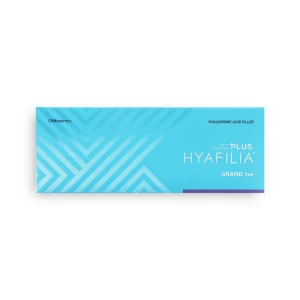
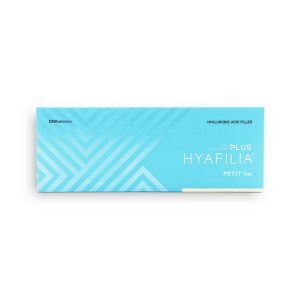
One such product, Hyafilia filler, uses a hybrid structure of hyaluronic acid to tackle common aesthetic concerns, such as wrinkles and volume loss. This versatile filler is favored for its ability to deliver natural-looking results that last longer than many other options.
In this article, we will examine Hyafilia side effects in more detail, help you understand what to expect, and offer practical advice on managing potential reactions.
Key Takeaways
- Redness, swelling, bruising, and mild pain at injection sites are common, typically resolving within a few days.
- Rare but serious issues like allergic reactions, infections, or lumps can occur. Seek medical attention if symptoms worsen.
- Apply ice, avoid strenuous activity, and don’t massage the area. Over-the-counter pain relievers may alleviate mild discomfort.
- Hyafilia’s results last 6-12 months; long-term side effects are rare when administered by a trained professional.
- Ensure proper consultation with a qualified provider and follow post-treatment care instructions to minimize complications and promote healing.
About: Trusted by over 2,000+ global clients since 2014, Direct Doctor Supply has become a leading supplier of cosmetic, skincare, and orthopedic products for medical and aesthetic professionals. Direct Doctor Supply offers a wide range of authentic brand-name products at competitive wholesale prices, sourced from around the world.
Common Side Effects of Hyafilia Filler
Hyafilia, a popular hyaluronic acid-based dermal filler, can cause temporary side effects after treatment.[1] Understanding and managing these effects is crucial for a smoother recovery. Here are some common side effects and how to handle them.

- Swelling, Redness, and Bruising at the Injection Site: These effects are common, especially after the needle is inserted. Swelling often subsides within 1-3 days.
- Discomfort and Tenderness: Mild pain or tenderness is normal since it’s the body’s natural response to the treatment.
- Itching and Skin Sensitivity: Itching may occur but usually goes away quickly. Practitioners can teach their patients how to massage the injection sites to provide relief from these reactions.
Hyafilia’s side effects are often mild and short-lived, but a qualified healthcare professional should assess persistent, worsening, or unusual symptoms. Practitioners sourcing HA fillers for their clinics can also buy Hyafilia online through Direct Doctor Supply.
Rare but Serious Reactions to Hyafilia Filler
Although Hyafilia fillers are safe, rare and severe reactions can occur. Recognizing these complications early and seeking timely medical attention is crucial. Below are some of the more severe reactions to watch out for:
- Infections and Abscess Formation: Bacteria can cause infections at the injection site, leading to redness, pain, or difficulty breathing.
- Allergic Responses and Anaphylaxis: Allergic reactions may cause swelling, redness, or itching. Severe cases can result in anaphylaxis.
- Nodule Formation and Granulomas: Inflammation may cause lumps under the skin to form 2-6 weeks after treatment. Corticosteroid injections can treat these.[2]
2025 Study: Can HA Filler Reactions Appear Months Later?
A 2025 retrospective study examined delayed-onset inflammatory nodules following hyaluronic acid (HA) filler injections in 673 cases in Japan. Researchers identified seven cases of delayed inflammatory nodules (1.07% of cases), with an average onset of 144 days after injection. One acute allergic reaction was also reported. These findings highlight that HA filler complications may develop months after treatment, reinforcing the importance of patient education, follow-up, and prompt evaluation of unusual or persistent symptoms. Although the study did not evaluate Hyafilia specifically, it provides relevant context for understanding potential delayed reactions associated with HA-based fillers.[5]
Proper aftercare and symptom monitoring can minimize serious complications and help ensure a safer Hyafilia experience.
Minimizing and Managing Hyafilia Side Effects
While side effects like swelling, redness, and bruising are common, they usually resolve within a few days. To minimize swelling and redness, apply a cold compress or ice to the treated area immediately after the procedure, and avoid alcohol for at least 24 hours before and after treatment to reduce the risk of swelling and bruising.

Managing Specific Side Effects
- Swelling, Redness, and Bruising: Applying ice in 15-minute intervals and avoiding pressure or massage in the area can help minimize these effects. Over-the-counter arnica gel or anti-inflammatory medication (as your practitioner advises) can also reduce swelling.
- Discomfort and Tenderness: Mild discomfort can be eased with gentle massage and topical pain relief, such as calm skin creams.
- Itching and Skin Sensitivity: Use a gentle moisturizer and avoid scratching the treated area. If discomfort persists, over-the-counter antihistamines may offer relief, but always consult your practitioner first.
- Infections and Abscess Formation: Avoid touching or rubbing the treated area, and keep it clean with mild soap and water. If signs of infection appear, such as increased redness, warmth, or discharge, seek immediate medical attention.
- Allergic Reactions and Anaphylaxis: Symptoms of an allergic response, such as difficulty breathing, facial swelling, or hives, require immediate medical attention. Always disclose any known allergies to your practitioner before treatment.
- Nodule Formation and Granulomas: Massage and warm compresses may help. If the nodule persists or is bothersome, your practitioner may suggest dissolving the filler with hyaluronidase or recommend a biopsy to rule out other causes.
A skilled practitioner can help minimize these risks by performing the procedure properly, recommending aftercare practices, and customizing treatment to your needs. Whether you’re considering Hyafilia vs Juvederm, consulting an expert helps you understand the differences in texture and formulation between these fillers, improving outcomes and minimizing side effects.
Conclusion
Hyafilia side effects are typically mild, such as swelling or redness, with serious complications being rare. Experienced and skilled practitioners take great care to minimize risks by using sterile techniques and providing clear, personalized post-treatment care instructions. Most patients achieve excellent results with minimal complications when they follow these guidelines. Proper aftercare supports a smoother recovery and improves overall outcomes, helping patients enjoy long-lasting, natural-looking results.
FAQs
1. What areas can be treated with Hyafilia fillers?
Common treatment areas include the cheeks, lips, nasolabial folds, under-eye hollows, and jawline.
2. Are there any side effects?
Common side effects include swelling, redness, bruising, or mild discomfort at the injection site, which usually resolves within a few days.
3. How soon will I see results after treatment?
Results are visible immediately after the injection, although some swelling may mask the final effect for a few days.
4. Is there any downtime after getting Hyafilia fillers?
Minimal downtime is required. Most people resume normal activities immediately, though some mild swelling or bruising may occur.
Citations
[1] Julson, Erica. “7 Surprising Benefits of Hyaluronic Acid.” Healthline, Healthline Media, 21 Apr. 2018. https://www.healthline.com/nutrition/hyaluronic-acid-benefits. Accessed 24 Sept. 2026.
[2] Corticosteroids (Glucocorticoids). Cleveland Clinic, 16 Nov. 2016. https://my.clevelandclinic.org/health/treatments/corticosteroids-glucocorticoids. Accessed 24 Sept. 2026.
[3] Iaconisi, G. N., P. Lunetti, N. Gallo, et al. “Hyaluronic Acid: A Powerful Biomolecule with Wide-Ranging Applications—A Comprehensive Review.” International Journal of Molecular Sciences, vol. 24, no. 12, 2023, p. 10296. doi:10.3390/ijms241210296.
[4] Fan, X., M. Dong, T. Li, Q. Ma, and Y. Yin. “Two Cases of Adverse Reactions of Hyaluronic Acid–Based Filler Injections.” Plastic & Reconstructive Surgery Global Open, vol. 4, no. 12, 2016, p. e1112. doi:10.1097/gox.0000000000001112.
[5] Sawaguchi, Risa, et al. “Frequency and Characteristics of Delayed-Onset Inflammatory Nodules After Hyaluronic Acid Injections in Japan.” Aesthetic Plastic Surgery, Sept. 2025. doi:10.1007/s00266-025-05185-0.
Sourcing and accuracy for this article follow our Editorial policy: claims are cross-checked against clinical literature, regulatory filings, and manufacturer specifications before anything is published