


SHARE THIS ARTICLE
Aliaxin
Aliaxin Filler vs Juvéderm – A Thorough Comparison
Jan 13, 2025
Dermal fillers have transformed cosmetic treatments, with over 5.7 million procedures performed in the United States in 2023. These non-surgical solutions are celebrated for rejuvenating and reshaping the face with minimal downtime, offering safe, effective results. Among the most trusted options, hyaluronic acid-based fillers continue to lead the way in facial rejuvenation.
Aliaxin and Juvéderm are two widely recognized hyaluronic acid-based fillers known for their ability to restore volume and deliver smoother, more youthful-looking skin. While they share similar benefits, their unique formulations result in different textures, applications, and longevity, offering distinct advantages depending on individual needs.
In this article, we’ll provide a thorough comparison of Aliaxin filler vs Juvéderm, exploring their benefits, key differences, and what you can expect from each to help you make an informed choice.
Key Takeaways
- Aliaxin and Juvéderm are hyaluronic acid-based dermal fillers offering effective, non-surgical solutions for facial rejuvenation.
- Aliaxin excels in providing soft, natural-looking results and is ideal for delicate areas or short-term enhancements.
- Juvéderm offers longer-lasting results with formulations like Voluma lasting up to 24 months and is better suited for volumizing larger areas.
- Both fillers prioritize patient comfort, with Juvéderm containing lidocaine for pain relief and Aliaxin’s soft texture reducing post-treatment complications.
- The choice between Aliaxin and Juvéderm often depends on the treatment area, desired outcome, and individual patient needs.
About: Trusted by over 2,000+ global clients since 2014, Direct Doctor Supply has become a leading supplier of cosmetic, skincare, and orthopedic products for medical and aesthetic professionals. Direct Doctor Supply offers a wide range of authentic brand-name products at competitive wholesale prices, sourced from around the world.
Introduction to Aliaxin Filler vs Juvéderm
Dermal fillers have become a cornerstone of modern cosmetic treatments, offering non-surgical solutions to enhance facial contours, restore lost volume, and reduce signs of aging. These injectable treatments primarily use hyaluronic acid (HA), a naturally occurring substance in the body, to hydrate and plump the skin for natural-looking results.
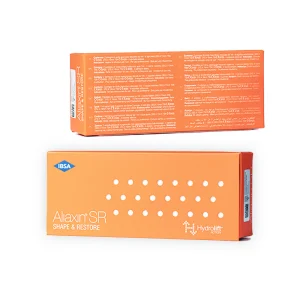
Aliaxin and Juvéderm are two established HA dermal filler brands with product ranges designed for different facial aesthetic applications. Aliaxin, developed by IBSA Derma, includes formulations intended for areas such as the lips, cheeks, and other facial regions. Juvéderm, manufactured by Allergan Aesthetics, also offers a range of formulations for different treatment areas and aesthetic goals.
Direct Doctor Supply offers authentic Aliaxin products for practitioners who want to purchase Aliaxin wholesale. You can review the available range based on the intended treatment area, product specifications, and each practice’s specific requirements.
Formulation and Composition
Aliaxin is formulated with non-animal-derived hyaluronic acid (HA), combining varying molecular weights to ensure stability and effective tissue integration. This approach supports natural-looking results and stimulates collagen, enhancing skin hydration and elasticity. The manufacturing process minimizes BDDE (butanediol diglycidyl ether) residue, ensuring a high safety profile and biocompatibility.[1]

Meanwhile, Juvéderm uses proprietary Vycross Technology, which blends low- and high-molecular-weight HA for improved cross-linking efficiency. This results in smoother, longer-lasting fillers, with effects that can last up to two years depending on the product. Additionally, Juvéderm contains lidocaine to reduce discomfort during the procedure, making it a popular choice for patients prioritizing comfort.
While both fillers are effective, Aliaxin excels in providing quick, natural enhancements with a focus on hydration and collagen stimulation, making it ideal for patients seeking subtle, short-term results. With its longer-lasting results and broader product range, Juvéderm suits those seeking more durable outcomes.
Texture and Application
Texture is crucial to how Aliaxin and Juvederm fillers work, influencing application techniques and results.
- Aliaxin: Known for its soft texture, Aliaxin is ideal for areas close to the skin’s surface. The high-purity hyaluronic acid ensures smooth results, reducing the risk of lumps post-treatment. This makes it perfect for delicate areas and gives a natural look and feel. Aliaxin’s advanced technology aids in excellent tissue integration.
- Juvéderm: Juvéderm has a smooth texture and is easy to inject, thanks to Vycross Technology. This ensures a natural blend with the skin, providing long-lasting moisture and a more youthful appearance. Juvéderm’s smoothness also makes procedures more comfortable.
Doctors adjust their techniques based on the filler’s texture. Thin fillers like Aliaxin are perfect for fine lines, while thicker ones like Juvéderm excel in volumizing larger areas, such as the cheeks. This tailored approach ensures optimal results for every treatment.
Best-Suited Areas for Treatment
When comparing Aliaxin and Juvederm fillers for different treatment areas, it’s important to consider their specific formulations and intended uses:

- Lip Augmentation: Using Aliaxin filler for lips works best for lip augmentation because of its fine viscosity and ability to define the vermilion border of the lips, providing a natural and long-lasting fullness.
- Nasolabial Folds: Practitioners often prefer Juvederm when treating nasolabial folds because of its thicker consistency and excellent tissue integration. This effectively smooths out deeper folds and provides a more pronounced correction.
- Cheek Enhancement: Juvéderm is also the go-to choice for cheek enhancement. Formulations like Juvéderm Voluma specifically add volume and lift to the cheeks, creating a more youthful contour.
Longevity and Patient Comfort
Longevity varies between filler formulations and depends on factors such as the product selected, treatment area, and individual patient characteristics. Certain Juvéderm formulations, including Juvéderm VOLUMA®, may last up to 24 months, while Aliaxin products vary based on formulation and intended use. These differences can be useful when evaluating Aliaxin filler vs Juvéderm for specific treatment goals.
Patient comfort is another consideration during filler administration. Some Juvéderm formulations contain lidocaine to help improve comfort during injection. Aliaxin offers formulations with different rheological properties for various facial applications. Practitioners should consider product characteristics, treatment area, patient needs, and applicable product information when selecting the most appropriate filler.
Ease of Use for Medical Professionals
Aliaxin is valued for its high-purity hyaluronic acid and smooth consistency, which allow precise injections and easy molding. Its advanced technology facilitates excellent tissue integration, reducing the risk of complications and making it straightforward for practitioners to achieve natural-looking results.

With Vycross Technology, Juvéderm fillers are known for easy injection and consistent performance. The addition of lidocaine also helps in making the procedure more comfortable for patients, thereby enhancing the overall injection experience for professionals.
Medical professionals often choose between Aliaxin and Juvéderm based on specific treatment areas and patient needs. Aliaxin’s soft texture suits fine lines and delicate areas, while Juvéderm’s thicker consistency works better for volumizing larger areas and achieving longer-lasting results.
Conclusion
When comparing Aliaxin filler vs Juvéderm, practitioners can consider differences in their hyaluronic acid formulations, product ranges, and intended treatment applications. Aliaxin offers several formulations for facial volume restoration, contouring, and other aesthetic concerns, while Juvéderm has a broad range of products designed for specific facial areas and treatment goals.
Both brands provide options for addressing concerns such as wrinkles, facial volume loss, and lip enhancement. The appropriate filler depends on factors such as the treatment area, desired aesthetic outcome, product characteristics, and the patient’s individual needs. A qualified practitioner can assess these factors and determine the most appropriate product for the planned treatment
FAQs
1. How does Aliaxin work?
Aliaxin uses hyaluronic acid to attract moisture and restore volume to the skin, smoothing wrinkles and fine lines.
2. Is there any downtime after Aliaxin treatment?
Downtime is minimal, with some swelling or bruising that resolves within a few days.
3. How soon will I see results from Aliaxin?
Results are visible immediately after treatment, with full effects developing over a few days as swelling subsides.
4. Which filler is better for long-lasting results—Aliaxin or Juvederm?
Juvederm offers longer-lasting results; certain products like Voluma last up to 24 months, while Aliaxin typically lasts 6–12 months.
Citations
[1] “December 2013 – Volume 39 – Issue 12: Dermatologic Surgery.” LWW.com, 2025. https://journals.lww.com/dermatologicsurgery/fulltext/2013/12000/a_review_of_the_metabolism_of_1. Accessed 11 Sept. 2026.
[2] Dermal Fillers Market Size, Competitors & Forecast to 2035. Research and Markets Ltd., 2024. https://www.researchandmarkets.com/report/dermal-filler.
[3] Bhojani-Lynch T, Deckers A, Ohanes O, Poupard K, Maffert P. A Prospective, Observational Registry Study to Evaluate Effectiveness and Safety of Hyaluronic Acid-Based Dermal Fillers in Routine Practice: Interim Analysis Results with One Year of Subject Follow-Up. Clinical Cosmetic and Investigational Dermatology. 2021;Volume 14:1685-1695. doi:10.2147/ccid.s329415
[4] How to Choose the Best Facial Filler for You. Verywell Health. https://www.verywellhealth.com/facial-fillers-different-types-2710254
Sourcing and accuracy for this article follow our Editorial policy: claims are cross-checked against clinical literature, regulatory filings, and manufacturer specifications before anything is published