


SHARE THIS ARTICLE
Aliaxin
Aliaxin vs Restylane – Comparing Two Popular Dermal Fillers
Jan 15, 2025
Dermal fillers have become a cornerstone of minimally invasive cosmetic treatments, consistently ranking among the most popular procedures worldwide. In 2023, they were the second most performed non-surgical treatment, following botulinum toxin injections, according to the American Society of Plastic Surgeons. Their appeal lies in their ability to effectively address wrinkles, restore volume, and rejuvenate facial features with minimal downtime.
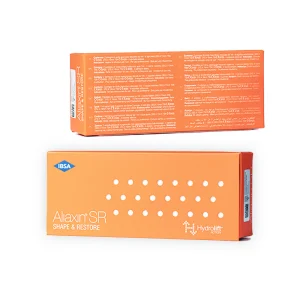
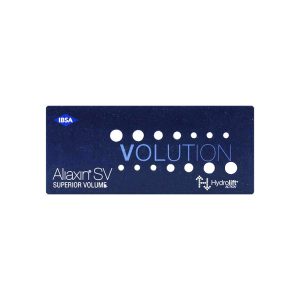
Among the leading options in the dermal filler market are Aliaxin and Restylane, both known for their hyaluronic acid-based formulations. Aliaxin focuses on bio-revitalization and enhancing skin elasticity while adding volume, making it ideal for natural-looking results. Restylane, on the other hand, is versatile and widely used to address concerns ranging from fine lines to deep wrinkles, offering tailored solutions for various aesthetic goals.
In this article, we will delve into the comparison of Aliaxin vs Restylane, examining their properties, applications, and overall performance to help you make a well-informed decision.
Key Takeaways
- Aliaxin and Restylane are both hyaluronic acid-based fillers designed to address a wide range of aesthetic concerns, such as wrinkle reduction, facial volume restoration, and lip enhancement.
- Aliaxin is ideal for natural-looking results, offering softer finishes and bio-revitalizing properties, while Restylane excels in precision and structured enhancements with a diverse product range.
- Aliaxin works well for subtle volume restoration and hydration, while Restylane provides reliable results for deeper wrinkles and more defined treatments.
- Both fillers are safe and effective options. The choice depends on individual goals, treatment areas, and practitioner recommendations.
About: Trusted by over 2,000+ global clients since 2014, Direct Doctor Supply has become a leading supplier of cosmetic, skincare, and orthopedic products for medical and aesthetic professionals. Direct Doctor Supply offers a wide range of authentic brand-name products at competitive wholesale prices, sourced from around the world.
Understanding Aliaxin and Restylane
Aliaxin and Restylane are popular hyaluronic acid-based dermal fillers used for facial rejuvenation. Aliaxin is known for its smooth texture and long-lasting results, and it is ideal for volumizing and contouring facial features like the cheeks and jawline. Restylane, a widely recognized brand, offers a range of fillers for wrinkle reduction, lip enhancement, and facial volume restoration. [1]

Both products hydrate and plump the skin, helping smooth the appearance of lines and folds. Aliaxin offers a range of formulations for natural-looking enhancement, while Restylane provides options tailored to specific treatment needs. Practitioners, clinics, and general consumers who want to buy Aliaxin online can explore the available formulations at Direct Doctor Supply to find an option suited to their intended application.
Differences Between Aliaxin vs Restylane
While both fillers deliver excellent results, their formulations, applications, and effects vary:
Composition & Texture
- Aliaxin: Features a smooth, soft-textured gel, ideal for natural-looking results and seamless integration with the skin.
- Restylane: Offers a range of gel textures, including thicker formulations, suitable for more defined and structured enhancements.
Primary Uses
- Aliaxin: Designed for facial contouring, such as the cheeks, jawline, and temples, and for achieving subtle volume restoration.
- Restylane: Ideal for wrinkle reduction, lip enhancement, and addressing deeper volume loss in areas like the cheeks and under-eye hollows.
Results and Duration
- Aliaxin: Known for its softer finish and longer-lasting effects, delivering natural, gradual enhancements.
- Restylane: Provides more pronounced definition and reliable long-term results, which may vary depending on the specific product used.
2026 Study Update
A 2026 systematic review provides additional evidence on the durability of hyaluronic acid dermal fillers. The review analyzed 24 studies involving 1,410 patients and found that HA fillers generally persisted well over time, although longevity varied by filler technology, treatment area, and anatomical characteristics. Restylane was also the most frequently represented filler brand in the review. [5]
The choice between Aliaxin and Restylane ultimately depends on factors such as the treatment area, desired aesthetic outcome, product characteristics, and individual patient needs. A qualified practitioner can assess these factors when selecting the most appropriate filler.
Applications of Aliaxin and Restylane in Aesthetic Treatments
Aliaxin vs Restylane compares two hyaluronic acid-based dermal filler ranges used for various facial aesthetic concerns. Both include products intended to address fine lines, wrinkles, and deeper folds such as nasolabial folds, while helping restore facial volume and create a smoother appearance.

For facial volume restoration, the Aliaxin product range is particularly well-suited for replenishing lost volume in areas like the cheeks, temples, and jawline, providing natural-looking results. Similarly, Restylane offers versatile formulations that work well for adding definition and structure to the midface.
For lip enhancement, Restylane excels at creating plump, well-defined lips, while Aliaxin delivers softer, hydrated results for a more natural look. Both fillers can also be applied to facial contouring, improving the definition of the chin, jawline, and cheekbones.
For more specialized treatments like non-surgical nose reshaping, Restylane’s firmer formulations are often preferred for achieving precise corrections, while Aliaxin’s smooth consistency can be used for subtle adjustments. These applications highlight the versatility and efficacy of both fillers in achieving tailored, patient-specific outcomes.
Patient Satisfaction and Effectiveness
This before-and-after comparison highlights the immediate effects of Aliaxin LV lip enhancement treatment. In the “before” image, the lips appear thinner and less defined, particularly the upper lip. In the “after” image, after applying 1ml of Aliaxin LV filler, the lips show noticeable volume and improved contour, with a more balanced, fuller appearance.

Image Courtesy of Poliklinika Matic
Additionally, the distance between the nose and upper lip has slightly shortened, creating more harmonious facial proportions and giving the patient a more refined look.
This next patient highlights the subtle yet impactful results of a first-time lip filler treatment. In the “before” photo, the patient’s lips appear naturally shaped but with less volume and definition. In the “after” photo, 0.25cc of Restylane Kysse and 0.65cc of Versa Lips enhanced the lips’ fullness while maintaining a natural appearance.

Image Courtesy of BARBOT Boutique Aesthetics
The lips now have a more defined contour, with improved symmetry and volume that complements the patient’s facial features. The results are intentionally subtle to keep the lips natural and balanced, ideal for a first-time enhancement. The overall effect is refined yet understated, creating a beautifully proportioned and natural look.
Conclusion
Aliaxin vs Restylane is a common comparison for practitioners considering HA dermal fillers for facial rejuvenation. Aliaxin offers a range of formulations designed to support natural-looking volume restoration and skin hydration, while Restylane provides a diverse portfolio formulated for different facial areas and aesthetic concerns.
Ultimately, both filler ranges offer nonsurgical options for facial enhancement, but their formulations, indications, and product characteristics differ. The appropriate choice depends on the treatment area, desired outcome, patient needs, and the qualified practitioner’s clinical assessment.
FAQs
1. What are the key differences between Aliaxin and Restylane?
Aliaxin focuses on skin hydration and natural-looking volume, while Restylane offers more targeted and structured enhancements with a broader range of products for different aesthetic needs.
2. Which filler lasts longer, Aliaxin or Restylane?
Both fillers provide long-lasting results, but the duration depends on the specific product and treatment area. Aliaxin typically offers results lasting 6 to 18 months, while Restylane can last 6 to 12 months or longer, depending on the formulation.
3. Are Aliaxin and Restylane safe?
Yes, both fillers are hyaluronic acid-based and widely recognized for their safety. Proper application by a qualified practitioner minimizes risks and ensures effective results.
4. Which filler is better for lip enhancement?
Restylane is often preferred for more defined lip enhancement, while Aliaxin offers softer, natural-looking results for lip hydration and subtle volume.
Citations
[1] Sturm, Lana P., et al. “A Systematic Review of Dermal Fillers for Age-Related Lines and Wrinkles.” ANZ Journal of Surgery, vol. 81, no. 1–2, Jan. 2011, pp. 9–17, https://doi.org/10.1111/j.1445-2197.2010.05351.x.
[2] Plastic Surgery Statistics. American Society of Plastic Surgeons. Plastic Surgery. Accessed 4 Sept. 2026.
[3] La Gatta, A., M. De Rosa, M. A. Frezza, C. Catalano, M. Meloni, and C. Schiraldi. “Biophysical and Biological Characterization of a New Line of Hyaluronan-Based Dermal Fillers: A Scientific Rationale to Specific Clinical Indications.” Materials Science and Engineering C, vol. 68, 2016, pp. 565–72. https://doi.org/10.1016/j.msec.2016.06.008. Accessed 4 Sept. 2026.
[4] Dermal Fillers Market Size, Share & Trends Analysis Report by Product (Hyaluronic Acid, PLLA), by Type (Biodegradable, Non-Biodegradable), by End-Use (Hospitals, MedSPA), by Application, by Region, and Segment Forecasts, 2023–2030.
[5] de Castro Costa, Matheus, et al. “Clinical Durability of Hyaluronic Acid-Based Dermal Fillers for Facial Application: A Systematic Review.” Aesthetic Plastic Surgery, Autumn 2025, pp. 10.1007/s00266-025-05435-1, https://doi.org/10.1007/s00266-025-05435-1. Accessed 11 Sept. 2026.
Sourcing and accuracy for this article follow our Editorial policy: claims are cross-checked against clinical literature, regulatory filings, and manufacturer specifications before anything is published