

SHARE THIS ARTICLE
Jaydess
Jaydess Removal – What to Expect During the Removal Process
Jan 21, 2025
Intrauterine devices (IUDs) are a popular choice for contraception due to their high effectiveness and low maintenance. According to a study by the American College of Obstetricians and Gynecologists (ACOG), over 10% of women using contraception in the United States opt for IUDs. The convenience and long-lasting protection they offer make them a preferred method for many.
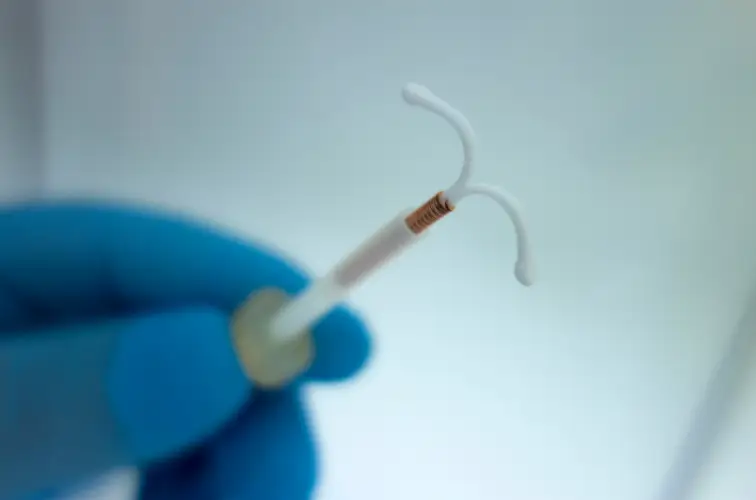
Jaydess is a small, hormonal IUD that offers up to three years of reliable contraception by releasing a low dose of levonorgestrel. Designed for ease of placement and removal, Jaydess is a preferred option for many individuals seeking short-term, reversible contraception. Its compact size and low hormone dose make it particularly appealing to first-time IUD users.
In this article, we will explain the Jaydess removal process, what to expect during the procedure, and tips to ensure a safe and comfortable experience. Moreover, clinics may buy Jaydess online at Direct Doctor Supply for contraceptive care involving localized levonorgestrel release, which helps prevent pregnancy by thickening cervical mucus and affecting the endometrium.
Key Takeaways
- Jaydess removal is typically a quick procedure, usually lasting only a few minutes. It involves a healthcare provider pulling the IUD out through the cervix using a string attached to the device.
- Most women experience mild to moderate cramping or discomfort during the removal, which is usually brief. Pain can vary depending on individual pain tolerance and the position of the IUD.
- After removal, cramping, spotting, or light bleeding may occur, but these symptoms generally resolve within a few days. Some women might experience hormonal changes once the IUD is removed.
- Fertility is usually restored almost immediately after the IUD is removed, and most women can conceive as soon as they begin ovulating again.
About: Trusted by over 2,000+ global clients since 2014, Direct Doctor Supply has become a leading supplier of cosmetic, skincare, and orthopedic products for medical and aesthetic professionals. Direct Doctor Supply offers a wide range of authentic brand-name products at competitive wholesale prices, sourced from around the world.
Understanding the Jaydess Removal Process
Jaydess removal is a straightforward and quick procedure. To begin, a speculum is inserted to allow the healthcare provider to visualize the cervix. They then locate the IUD strings and gently pull them to remove the device. In some cases, if the strings are not visible or are missing, specialized tools or a hysteroscope may be used to retrieve the IUD.
While the procedure is typically completed within a few minutes, rare instances may require additional steps, such as medication or anesthesia, if the device is not easily accessible. After the removal, managing any discomfort or pain is important, and your healthcare provider will guide you on how to alleviate it effectively.
Managing Patient Concerns: Pain and Discomfort
After Jaydess removal, discomfort, such as cramping or spotting, is common but usually temporary. Here are some tips for managing these symptoms:

- Take over-the-counter pain relievers like ibuprofen to reduce pain.
- Apply a heating pad to your lower abdomen to soothe cramps.
- Rest and avoid strenuous activities for a few hours post-removal.
- Wear a panty liner to manage light bleeding or spotting.
- Stay hydrated to help reduce bloating and discomfort.
If the pain is severe or persists, contact your healthcare provider. Open communication ensures effective pain management and a smoother recovery.
Post-Removal Care and Side Effects
After Jaydess removal, following proper aftercare guidelines is essential for a smooth recovery and recognizing potential side effects. Here’s what to expect:
- Light Bleeding or Spotting: This may last for a few days or weeks after removal.
- Avoid Infection Risks: Use pads instead of tampons or menstrual cups for the first 48 hours.
- Mild Cramps: Over-the-counter pain relievers like ibuprofen can help alleviate discomfort.
- Monitor for Complications: Watch for severe pain, fever, heavy bleeding, or foul-smelling discharge—these could indicate an issue requiring medical attention.
- Menstrual Cycle Normalization: Periods typically return to their usual rhythm shortly after the device is removed.
- Hair Loss Concerns: Be aware of potential changes, as some users have reported concerns about Jaydess and hair loss. If this occurs, consult your healthcare provider.
- Report New or Worsening Symptoms: Keep your doctor informed of any unexpected or prolonged side effects to ensure timely care.
2026 Study Update
A case report illustrates how challenging IUD removal can become when a levonorgestrel-releasing intrauterine system becomes deeply embedded in the uterine wall. In the reported patient, imaging showed that the device was completely lodged within the myometrium, and clinicians used abdominal imaging, intraoperative ultrasound, and hysteroscopy to locate and remove it before repairing the uterine wall.[3]
The authors described color Doppler ultrasound-guided hysteroscopy as a way to improve localization during the procedure. Although this was a single case involving a complicated device position rather than routine Jaydess removal, it highlights why an embedded or migrated IUD may require more than a standard office removal and why imaging and hysteroscopic techniques can be important when the device cannot be removed normally.
Return of Fertility After Jaydess Removal
Fertility typically returns quickly after the Jaydess removal.[2] Most women can conceive almost immediately, as the hormonal effects of the IUD dissipate rapidly once removed. Within a few weeks, ovulation usually resumes, and menstrual cycles often return to normal. However, the timing can vary between individuals.
It’s important to use contraception if you’re not planning to get pregnant right away. If you have concerns about fertility or are experiencing difficulty conceiving after removal, consult your doctor for further evaluation and advice.
Conclusion
Jaydess removal is quick and done in a doctor’s office. You may feel some temporary discomfort, but it usually fades quickly. Fertility returns immediately, so if you’re not ready for pregnancy, use another form of birth control. If anything feels off after removal, consult your doctor for advice or further care.
FAQs
1. How long does Jaydess last?
Jaydess provides effective contraception for up to 3 years.
2. Is Jaydess suitable for everyone?
Jaydess is generally safe, but it may not be recommended for women with certain health conditions. Consult your doctor.
3. Does the insertion of Jaydess hurt?
Insertion may cause discomfort or cramping, but it is usually brief. Pain relief options are available.
4. Can I get pregnant even if I use Jaydess?
Jaydess is highly effective, but no contraceptive is 100% foolproof. If pregnancy occurs, contact your doctor immediately.
Citations
[1] Committee on Practice Bulletins—Gynecology. “Long-Acting Reversible Contraception Implants and Intrauterine Devices.” ACOG, www.acog.org/clinical/clinical-guidance/practice-bulletin/articles/2017/11/long-acting-reversible-contraception-implants-and-intrauterine-devices.
[2] Randic, Ljiljana, et al. “Return to Fertility After IUD Removal for Planned Pregnancy.” Contraception, vol. 32, no. 3, Sept. 1985, pp. 253–59. https://doi.org/10.1016/0010-7824(85)90048-4.
[3] Wang, Qingmei, et al. “A Case Report of Removal and Uterine Suturing of an Incarcerated Intrauterine Sterilization Ring.” Journal of International Medical Research, vol. 54, no. 6, June 2026, https://doi.org/10.1177/03000605261457785.
[4] Howard, Brandon, et al. “Trends in Use of and Complications From Intrauterine Contraceptive Devices and Tubal Ligation or Occlusion.” Reproductive Health, vol. 14, no. 1, June 2017, p. 70. https://doi.org/10.1186/s12978-017-0334-1.
Sourcing and accuracy for this article follow our Editorial policy: claims are cross-checked against clinical literature, regulatory filings, and manufacturer specifications before anything is published