

SHARE THIS ARTICLE
Polynucleotides
Polynucleotides How Many Treatments – Recommended Treatment Regimen
Jan 30, 2025
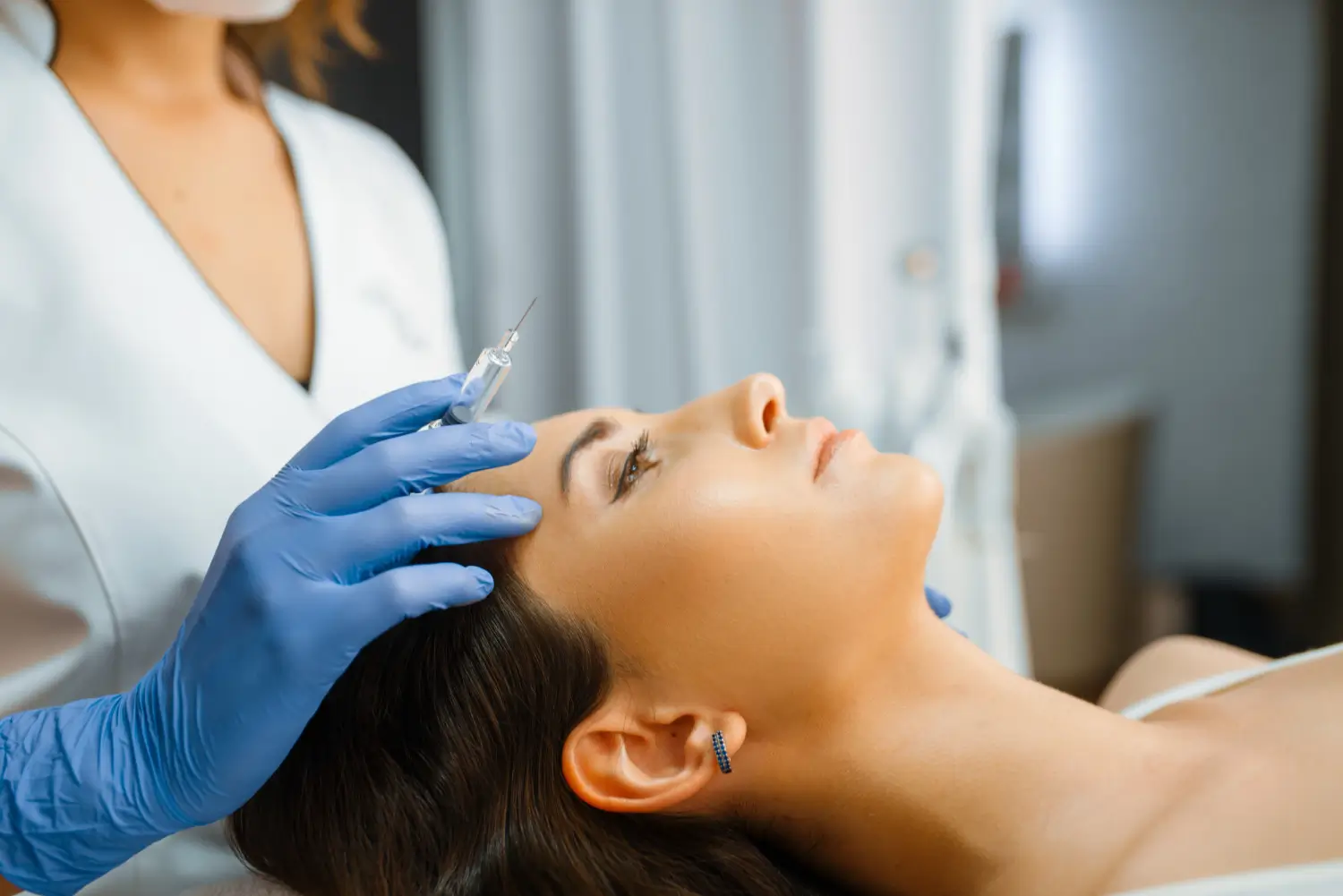
Polynucleotide treatments have gained attention for their ability to revitalize the skin by stimulating collagen production. Derived from natural sources like salmon DNA, they help enhance hydration, refine texture, and reduce fine lines, making them a sought-after option for non-surgical skin rejuvenation. Research suggests that a structured treatment plan leads to progressive and long-lasting improvements in skin quality.
These biocompatible molecules made up of long chains of nucleotides, work at a cellular level to promote skin regeneration with minimal side effects. Their ability to repair and strengthen the skin barrier makes them an effective choice for those looking to restore a youthful, healthy complexion.
In this article, we’ll explore how many polynucleotides treatments are typically recommended, including the ideal treatment schedule and the results patients may expect over time.
Key Takeaways
- To achieve optimal results, most individuals require 2-3 sessions of polynucleotide treatment, spaced about 2-4 weeks apart. This allows the skin to respond to the treatment’s regenerative effects.
- After the initial cycle, maintenance treatments are typically recommended every 6-12 months, depending on individual skin needs and desired results.
- The treatment regimen can be customized based on age, skin condition, and the specific concerns being addressed, such as fine lines, wrinkles, or skin laxity.
- Results from polynucleotide treatments generally take time to become fully visible, with improvements in skin texture, elasticity, and firmness often becoming noticeable after 1-2 months.
- The benefits of polynucleotide treatments, such as improved skin quality and reduced sagging, can last up to a year, making maintenance treatments necessary for long-term skin rejuvenation.
About: Trusted by over 2,000+ global clients since 2014, Direct Doctor Supply has become a leading supplier of cosmetic, skincare, and orthopedic products for medical and aesthetic professionals. Direct Doctor Supply offers a wide range of authentic brand-name products at competitive wholesale prices, sourced from around the world.
Treatment Frequency
Polynucleotide treatments promote skin regeneration and healing by stimulating cell turnover and collagen production. These treatments are increasingly popular for skin rejuvenation, wound healing, and aesthetic concerns. A typical regimen involves 3-5 sessions to achieve the best results, with enough time for the body to recover and respond.

- Initial Phase: The first few sessions are spaced 1-2 weeks apart, allowing the body to adapt and begin healing.
- Maintenance Phase: After the initial sessions, treatments are spaced further apart, typically 3-4 weeks, to maintain results and support ongoing regeneration.
- Results: Most patients see noticeable improvements after the second or third session, with full results emerging after the final treatment.
Recent Clinical Evidence on Polynucleotide Treatment Frequency
A 2026 prospective split-face study evaluated polynucleotide treatments for facial skin improvement in 40 participants. The treatment protocol included three sessions at three-week intervals, with intradermal injections on one cheek and subdermal delivery on the other. Both techniques improved wrinkle-related and skin-texture measurements, and subdermal delivery achieved comparable results for fine-line improvement at the 12-week assessment. These findings support studying a three-session treatment course, although they do not establish a universal regimen. The ideal number and spacing of sessions should be determined based on the specific product, treatment area, and the patient’s needs.[5]
The exact number of sessions and how many polynucelotides treatments may vary based on individual factors like age, skin condition, and health. Choose Direct Doctor Supply for authentic branded aesthetic products, competitive wholesale pricing, and convenient sourcing options for clinics, medical professionals, and general consumers worldwide to purchase polynucleotides online.
Adjustment Based on Patient Needs
Each patient’s needs are unique, so the treatment regimen should match their specific concerns and goals. Factors such as skin type, issue severity, and medical history can influence the number and frequency of treatments. Here’s how to adjust the plan accordingly:
- Skin Condition: Severe skin issues, like deep wrinkles or sun damage, may require more treatments to achieve significant healing. Milder concerns often respond well with fewer sessions for satisfactory results.
- Age: Older patients may need more treatments because the skin’s regenerative capacity declines. Younger patients tend to see faster, more noticeable improvements with fewer sessions.
- Health Status: Patients with conditions like diabetes or immune system issues may require treatment frequency or extra monitoring adjustments to ensure effectiveness and safety.
- Treatment Area: Larger or more complex treatment areas (e.g., neck, chest) may require additional sessions. More minor, targeted areas, like the face, typically need fewer treatments for optimal results.
Ultimately, regular assessment during treatment helps adjust the plan to each patient’s evolving needs.
Follow-Up and Maintenance
After the initial treatment series, follow-up and maintenance sessions are crucial to preserving results. The frequency of these sessions depends on the patient’s response to treatment and desired outcomes.

- First Follow-Up: Generally, schedule a follow-up session about 4-6 weeks after the final treatment in the initial series. This allows the body to fully respond to the polynucleotides, and you can make adjustments based on the results so far.
- Long-Term Maintenance: After the first follow-up, most patients will benefit from maintenance treatments every few months, depending on their skin type, age, and treatment area. These sessions help to refresh the results and support the ongoing regeneration process.
- Continual Assessment: During follow-up visits, healthcare professionals can assess treatment effectiveness and adjust the regimen as needed. If the patient makes significant progress, they may reduce treatment frequency.
Scheduled follow-up appointments help maintain results and ensure patients continue to experience the long-term benefits of polynucleotide treatment.
Managing Patient Expectations
Understanding how many polynucleotides treatments are needed helps patients set realistic expectations. Results develop gradually, with initial improvements in hydration and skin texture appearing within weeks. Mild redness, swelling, or bruising may occur but typically resolves within a few days.
More noticeable improvements in skin firmness and smoothness may develop over the following 2–3 months. Since results vary by individual and gradually diminish over time, maintenance sessions may be recommended to sustain improvements, such as when using polynucleotides for jowls.
Conclusion
A well-structured polynucleotide treatment regimen typically begins with three to five sessions, tailored to individual skin needs. Treatment frequency and number may vary, but follow-up sessions are essential to maintain long-term results. Since improvements develop gradually, setting realistic expectations is key to ensuring patient satisfaction.
By using a personalized approach, healthcare professionals can maximize the benefits of polynucleotide treatments and help patients achieve smoother, firmer, more rejuvenated skin over time.
FAQs
1. What are polynucleotides?
Polynucleotides are long chains of nucleotides that play a key role in various regenerative processes, including collagen production and skin healing.
2. What conditions can polynucleotides treat?
They are commonly used for skin rejuvenation, wound healing, hair loss treatment, and improving skin elasticity and texture.
3. How many treatments will patients need for optimal results?
Typically, they need 3-5 sessions. Practitioners may adjust the frequency based on the patient’s needs, skin condition, and treatment area.
4. How soon will I see results from polynucleotide treatments?
Initial skin texture and hydration improvements can be seen within 1-2 weeks, with full results visible after 2-3 months.
Citations
Rohrich, Rod J., and Friday J. 16. “Breaking Down the Most Popular Noninvasive Cosmetic Treatments.” American Society of Plastic Surgeons, 16 June 2017.
Reuther, T., J. Bayrhammer, and M. Kerscher. “Effects of a Three‑Session Skin Rejuvenation Treatment Using Stabilized Hyaluronic Acid‑Based Gel of Non‑Animal Origin on Skin Elasticity: A Pilot Study.” Archives of Dermatological Research, vol. 302, no. 1, 2009, pp. 37‑45. https://doi.org/10.1007/s00403-009-0988-9.
Vedamurthy, M., V. Duvvuru, and V. L. Chelikani. “Skin Boosters – The Upcoming Boom in Cosmetic Dermatology for Healthy Skin.” Cosmoderma, vol. 3, 2023. https://doi.org/10.25259/CSDM_93_2023.
Bae, Hyungkyu, et al. “Efficacy and Safety of Intradermal versus Subdermal Injection of Polynucleotide for Facial Improvement: A Prospective Split‑Face Study.” Journal of Cosmetic Dermatology, vol. 25, no. 8, Wiley, Aug. 2026.
Sourcing and accuracy for this article follow our Editorial policy: claims are cross-checked against clinical literature, regulatory filings, and manufacturer specifications before anything is published