

SHARE THIS ARTICLE
Polynucleotides
Polynucleotides Jowls – Reducing the Appearance of Jowls with Polynucleotides
Jan 30, 2025
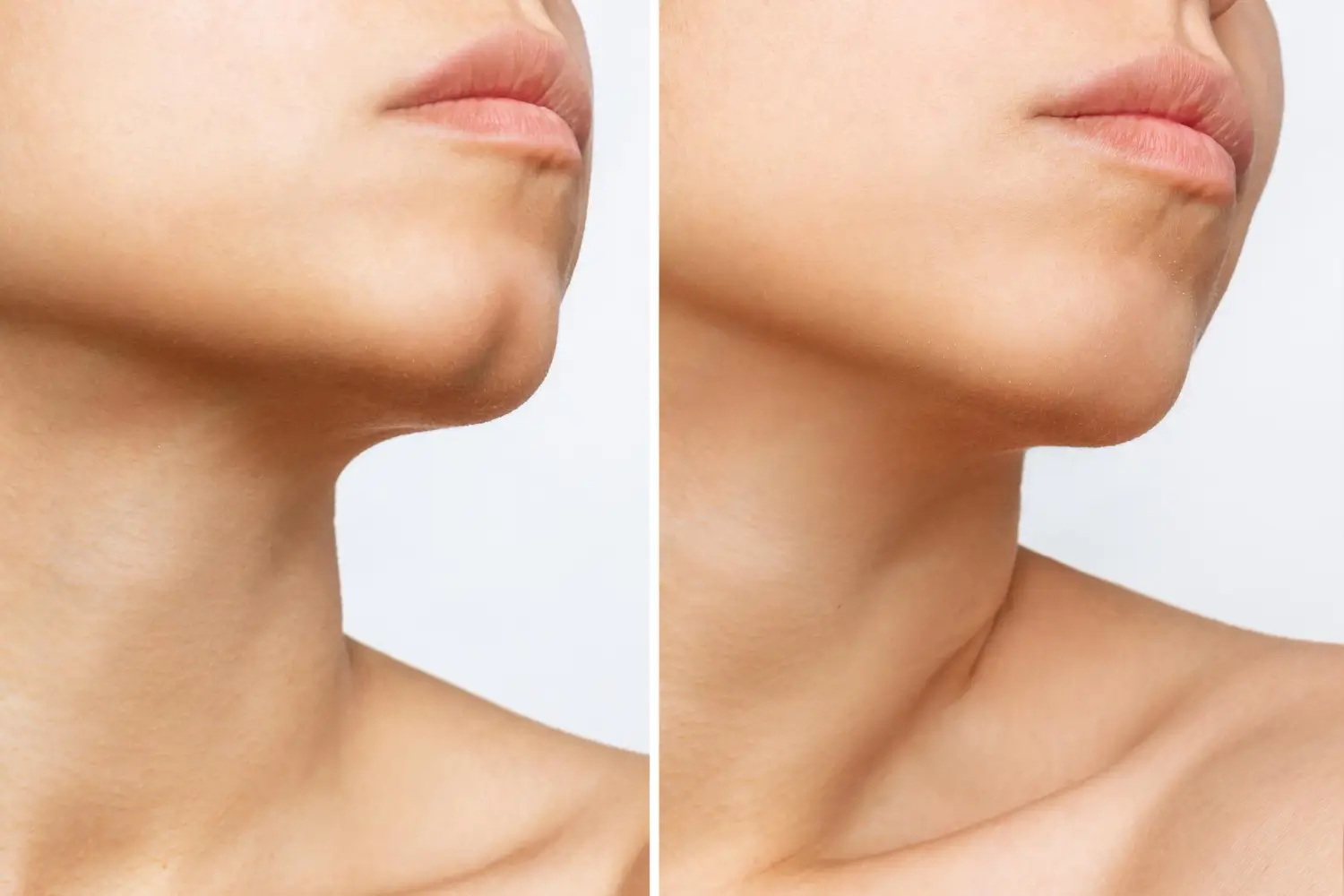
Jowls, or sagging skin below the chin, are a common aesthetic concern that develops with aging. This occurs due to a decline in collagen and elastin, leading to reduced skin firmness and elasticity.
Polynucleotides offer a non-invasive solution for improving the appearance of jowls. Derived from fish DNA, these biostimulators stimulate collagen and elastin, promoting skin tightening and rejuvenation. By enhancing elasticity, polynucleotides help define the jawline with minimal recovery time.
In this article, we will explore how polynucleotides for jowls work, offering a non-surgical alternative to traditional skin-tightening procedures.
Key Takeaways
- Polynucleotides stimulate collagen production, tightening the skin around the jowls, helping to reduce sagging and improve firmness.
- The treatment enhances skin elasticity, gradually leading to firmer, smoother skin in the jowl area with time.
- Polynucleotides provide a minimally invasive option, offering a non-surgical alternative to facelift procedures for jowl treatment.
- Visible improvements usually appear within weeks, with the best results becoming apparent after a few treatment sessions.
- In addition to addressing jowls, Polynucleotides improve skin quality by boosting hydration, texture, and overall smoothness.
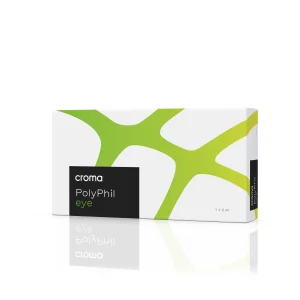
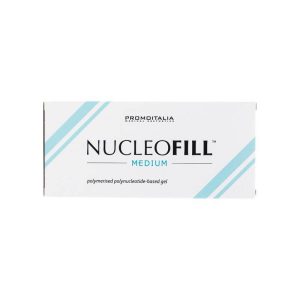
About: Trusted by over 2,000+ global clients since 2014, Direct Doctor Supply has become a leading supplier of cosmetic, skincare, and orthopedic products for medical and aesthetic professionals. Direct Doctor Supply offers a wide range of authentic brand-name products at competitive wholesale prices, sourced from around the world.
How Polynucleotides Jowls Work
Polynucleotides effectively reduce the appearance of jowls by enhancing skin elasticity and promoting rejuvenation. These naturally occurring molecules stimulate collagen production, which is essential for maintaining firm, lifted skin. As collagen levels decline with age, sagging becomes more noticeable, particularly around the jawline.
By boosting collagen synthesis, polynucleotides help tighten and lift sagging skin while also supporting fibroblasts—the cells responsible for collagen production.[1] This improves skin thickness, elasticity, and overall texture.
Over time, these benefits can create a more contoured jawline and a more youthful, rejuvenated appearance. Purchase polynucleotides online through Direct Doctor Supply and expand your clinic’s aesthetic product selection with authentic branded supplies at competitive wholesale prices.
Injection Techniques
Proper injection techniques are vital for effective polynucleotides jowls treatment. Skilled professionals ensure even distribution and target the dermal layer, where the treatment most effectively stimulates collagen production, improving skin elasticity and firmness. This precision is key to achieving optimal, long-lasting results.

- Consultation and Assessment: A consultation helps the practitioner understand the patient’s needs, assess the severity of jowl sagging, and determine the most appropriate treatment by evaluating the skin condition and facial structure.
- Local Anesthesia: To ensure a painless experience, the practitioner applies a topical numbing agent or local anesthesia to the treatment area, minimizing discomfort during the injections.
- Strategic Injection Placement: Polynucleotides are injected along the jawline in targeted areas, usually at shallow to mid-depth, to maximize collagen stimulation and effectively address sagging skin.
- Gentle Technique: Practitioners use a controlled, gentle technique to inject small doses, preventing bruising or swelling while ensuring even distribution across the jowl area.
- Post-Treatment Care: Mild swelling or redness may occur after treatment, but it typically resolves quickly. Following aftercare guidelines, such as avoiding strenuous activity and sun exposure, ensures better results and faster recovery.
Proper technique and aftercare are critical to achieving the best results when treating jowls with polynucleotides.
Treatment Duration
The duration of polynucleotide treatment for jowls varies depending on skin condition and sagging severity. Typically, 2 to 3 sessions are recommended to stimulate collagen production effectively. Some may see improvement after one session, but more noticeable results require multiple treatments.

Each session lasts about 30 to 45 minutes. To enhance skin tightening and achieve optimal results, we recommend follow-up sessions after the initial treatment. Maintenance treatments can be scheduled every 6 to 12 months based on the individual’s response and desired outcome.
Results and Patient Expectations
When using polynucleotides for jowls, patients can expect gradual improvements in skin firmness and elasticity.[2] Results typically begin to show after a few weeks as the polynucleotides’ ingredients stimulate collagen production. Visible changes usually appear after 2 to 3 treatments, with a smoother, more lifted jawline. However, the full effect may take time to develop.
Recent Clinical Evidence on Polynucleotide Skin Rejuvenation
A 2026 prospective split-face study evaluated polynucleotide injections in 40 participants who received three treatments at three-week intervals. Researchers found that both intradermal and subdermal techniques improved facial fine lines and skin texture. Subdermal delivery achieved comparable fine-line improvement at the 12-week assessment and was associated with lower treatment-related pain. These findings support polynucleotides’ potential to improve facial skin quality over time. However, the study did not specifically evaluate jowl reduction or jawline lifting, so further research is needed to establish their effectiveness for these concerns.[5]
Manage expectations, as results are progressive and may require multiple sessions for the best outcome. While results vary, polynucleotides offer a non-invasive way to improve skin texture and reduce sagging in the jowl area.
Conclusion
Polynucleotides jowls treatments offer a non-invasive way to improve sagging skin by stimulating collagen production. This improves skin elasticity and tone, gradually reducing the appearance of jowls. Results develop over several months, with noticeable improvements after a few weeks. Multiple sessions may be needed. A skilled professional can help you achieve a firmer, rejuvenated jawline without surgery.
FAQs
1. What are the components of a polynucleotide?
A polynucleotide consists of a sugar molecule, a phosphate group, and a nitrogenous base (adenine, thymine, cytosine, guanine, or uracil in RNA).
2. How do polynucleotides benefit the skin?
PNs promote skin repair by stimulating collagen production, improving hydration, and reducing inflammation. They also help with skin regeneration, making the skin appear healthier and more youthful.
3. What skin concerns can polynucleotides treat?
Polynucleotides treat various skin concerns, including wrinkles, fine lines, skin laxity, acne scars, pigmentation, and overall skin texture.
4. How do practitioners administer polynucleotide injections?
Practitioners commonly administer polynucleotides via injections or dermal fillers, though topical products containing PNs are also available.
Citations
[1] Sidransky, Ellen. “Fibroblast.” Genome.gov, 2022. Accessed 14 Oct. 2026. https://www.genome.gov/genetics-glossary/Fibroblast.
[2] “Skin Firmness: How to Reverse the Aging Process.” Healthline, 20 Mar. 2020. Accessed 14 Oct. 2026. https://www.healthline.com/health/firmness-skin.
[3] “Jowls: Causes, Treatment, Prevention and More.” Healthline, 14 July 2017.
[4] Everett, J. S., and M. S. Sommers. “Skin Viscoelasticity.” Biological Research for Nursing, vol. 15, no. 3, 2012, pp. 338‑346.
[5] Bae, Hyungkyu, et al. “Efficacy and Safety of Intradermal versus Subdermal Injection of Polynucleotide for Facial Improvement: A Prospective Split‑Face Study.” Journal of Cosmetic Dermatology, vol. 25, no. 8, John Wiley & Sons, Aug. 2026, p. e71108.
Sourcing and accuracy for this article follow our Editorial policy: claims are cross-checked against clinical literature, regulatory filings, and manufacturer specifications before anything is published