

SHARE THIS ARTICLE
Cimzia
Cimzia Rash – What It Means and How to Manage It
Feb 27, 2025
Chronic inflammatory diseases, such as rheumatoid arthritis and Crohn’s disease, result from an overactive immune response that causes persistent inflammation and tissue damage. According to the World Health Organization (WHO), these conditions affect millions worldwide, significantly impacting quality of life.
One treatment option for managing chronic inflammatory diseases is Cimzia (certolizumab pegol), a tumor necrosis factor (TNF) inhibitor that helps reduce inflammation and control symptoms. While Cimzia is effective, some patients may experience side effects, including skin rashes. Recognizing and understanding these potential reactions is essential for safe and effective treatment.
This article will explore the causes, symptoms, and management of Cimzia rash reactions, drawing insights from clinical studies and expert recommendations to help patients navigate their treatment journey with confidence.
Key Takeaways
- Cimzia, a TNF inhibitor, can cause skin rashes ranging from mild irritation to extensive, severe reactions.
- Patients often experience redness, itching, or bumps soon after beginning treatment, which may indicate a side effect.
- Early detection of these skin changes is crucial for prompt intervention and reducing the risk of further complications.
- Healthcare providers must closely monitor skin symptoms and adjust treatment plans if rashes progress or worsen.
- Recognizing rash onset early allows for effective management, minimizing discomfort while ensuring continued treatment benefits.
About: Trusted by over 2,000+ global clients since 2014, Direct Doctor Supply has become a leading supplier of cosmetic, skincare, and orthopedic products for medical and aesthetic professionals. Direct Doctor Supply offers a wide range of authentic brand-name products at competitive wholesale prices, sourced from around the world.
Types of Skin Reactions Associated with Cimzia
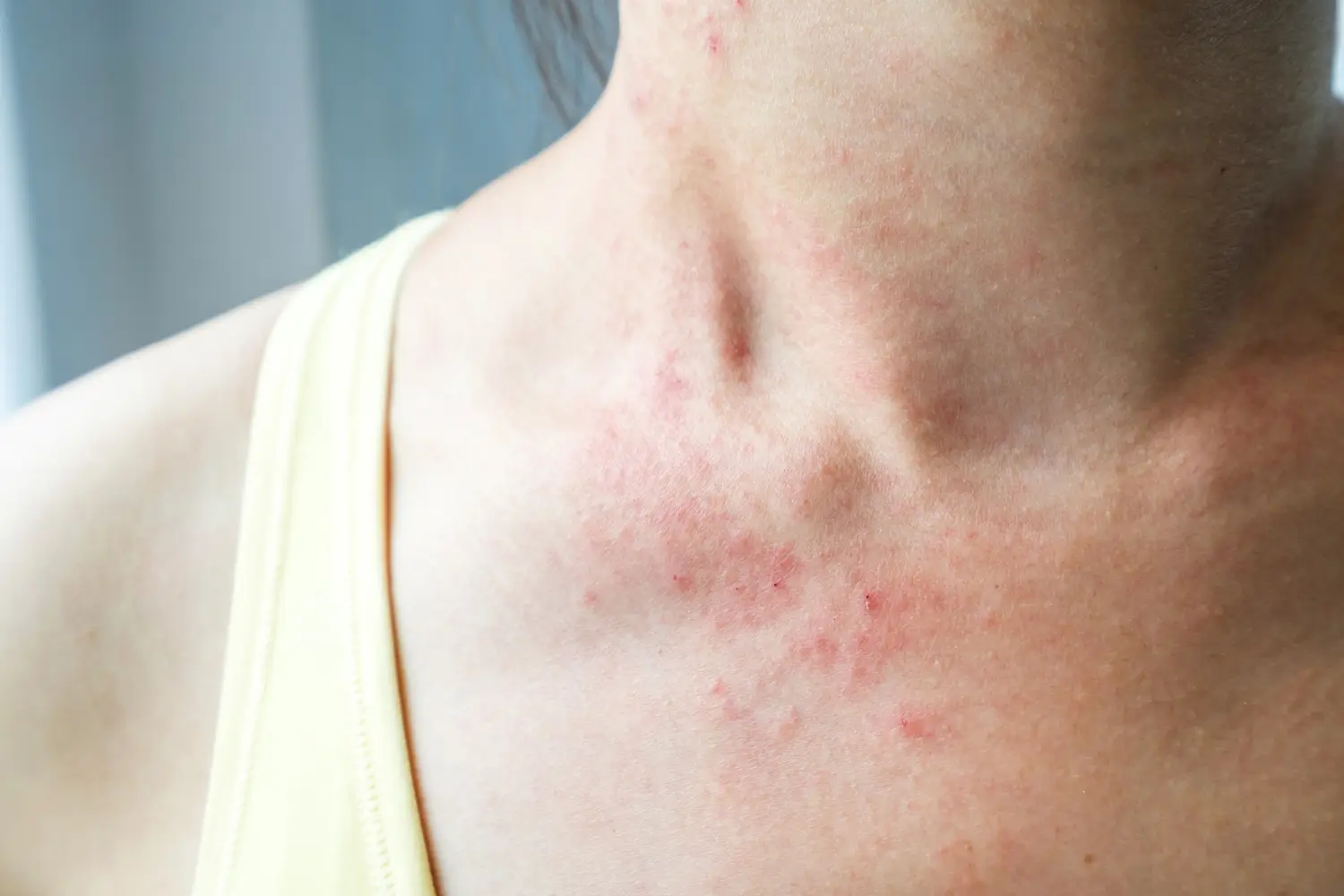
Cimzia has been linked to various skin reactions, ranging from mild injection-site irritation to widespread hypersensitivity responses and psoriasis-like eruptions.
For individuals using Cimzia, consulting a healthcare provider is essential to assess potential risks to the infant and determine the most appropriate management strategies. Early recognition of these skin reactions also allows for timely intervention and effective treatment, ensuring optimal therapeutic outcomes and safety.
While Cimzia may treat systemic inflammation associated with rheumatoid or psoriatic arthritis, practitioners managing localized knee osteoarthritis pain may also consider Orthovisc. Although Cimzia is no longer available through Direct Doctor Supply, clinics, medical professionals, and general consumers can explore this hyaluronic acid viscosupplement and order Orthovisc online.

Injection Site Reactions
Localized redness, mild swelling, or irritation are common side effects of Cimzia. These reactions are typically mild and temporary and can be managed by rotating injection sites, maintaining proper skin hygiene, and monitoring for signs of infection. If symptoms persist or worsen, seek medical evaluation.
Hypersensitivity Reactions
Some individuals may develop a generalized rash and pruritus due to an overactive immune response. Management may involve oral antihistamines or systemic corticosteroids, along with a thorough assessment to differentiate the reaction from other potential causes and determine the most appropriate treatment approach.
Psoriasis-like Eruptions
Cimzia has been linked to psoriasis-like flares, even in individuals without a prior history of psoriasis. These eruptions, characterized by red, scaly patches, often affect common psoriasis sites such as the elbows, knees, and scalp. Treatment typically includes topical therapies and a reassessment of the treatment regimen with a healthcare provider.
Underlying Mechanisms Behind Cimzia Rash
Cimzia functions by blocking tumor necrosis factor (TNF), a key mediator in inflammatory processes. However, TNF inhibition can sometimes lead to unexpected skin inflammation. Suppressing TNF may disrupt the balance of other cytokines, potentially triggering an immune response that results in skin irritation and Cimzia rash.
Potential Cimzia-Related Rashes
- Delayed Hypersensitivity Reactions: Typically emerge weeks after treatment initiation, often starting as mild rashes that may progressively worsen over time.
- Genetic Predisposition: Certain genetic markers may increase susceptibility to developing skin reactions.
- Immune System Factors: Patients with autoimmune disorders or pre-existing skin conditions may be at higher risk of skin-related side effects.
New Research Examines Cimzia and Paradoxical Psoriasis
A 2025 pharmacovigilance study provides additional insight into the relationship between TNF inhibitors and paradoxical psoriasis. Researchers analyzed reports from the FDA Adverse Event Reporting System and identified 563 pediatric cases of paradoxical psoriasis associated with TNF inhibitors. Certolizumab showed a disproportionate reporting signal, with a reporting odds ratio of 3.95. Because the analysis was based on spontaneous adverse-event reports, the findings indicate a safety signal rather than proof that certolizumab caused every reported case. These findings reinforce the importance of monitoring for new or worsening psoriasis-like skin changes during TNF inhibitor therapy.[5]
Understanding these mechanisms helps distinguish Cimzia-related rashes from other dermatologic conditions, allowing timely treatment adjustments.
Management Strategies for Cimzia-Induced Skin Reactions
Managing skin reactions from Cimzia requires a tailored approach based on severity. For mild rashes, conservative measures are typically sufficient. Topical corticosteroids help reduce inflammation, while oral antihistamines relieve itching. Basic skincare adjustments, such as using gentle cleansers, can also support skin barrier repair.

For moderate to severe reactions, more proactive interventions may be necessary. Clinicians may consider adjusting the Cimzia dosage and consulting a dermatologist for specialized evaluation. Key management steps include:
- Reevaluating the treatment regimen to determine if adjustments are needed.
- Scheduling timely dermatology consultations for further assessment.
- Implementing customized systemic or topical therapies based on reaction severity.
This collaborative approach aims to minimize skin reactions, maintain therapeutic benefits, and ensure patient health remains stable throughout Cimzia treatment. Early recognition and timely intervention are essential to prevent complications and optimize long-term outcomes for patients undergoing Cimzia therapy.
When to Refer to a Dermatologist
Referral to a dermatologist is essential if skin reactions persist or worsen despite conservative treatments. A specialized evaluation is necessary when topical therapies and basic skincare measures fail to improve a rash. Signs such as pus, increased pain, fever, or an extensive rash may indicate a secondary infection or severe hypersensitivity reaction and warrant immediate medical attention.
Additionally, individuals considering or receiving Cimzia while breastfeeding should discuss their treatment and any unusual skin reactions with their healthcare provider. If Cimzia triggers psoriasis-like eruptions with red, scaly patches, consult a dermatologist experienced in drug-induced psoriasis promptly. Early specialist intervention helps differentiate drug-induced rashes from other dermatologic conditions and facilitates targeted treatment to prevent long-term skin damage. This approach ensures optimal patient care and improves overall treatment outcomes.
Conclusion
Cimzia is an effective treatment for inflammatory conditions, but it carries a risk of skin-related side effects, ranging from mild injection site reactions to severe immune-mediated rashes. Understanding the types of reactions, their underlying mechanisms, and appropriate management strategies is essential for both patients and healthcare providers.
While mild cases can often be managed with conservative treatments, moderate to severe reactions may require dose adjustments or specialist referrals to ensure safe, effective treatment. Early recognition and proactive management help prevent complications and optimize long-term patient outcomes.
FAQs
1. What conditions can Cimzia treat?
Cimzia is commonly prescribed for rheumatoid arthritis, psoriatic arthritis, ankylosing spondylitis, and other inflammatory disorders.
2. How common are skin reactions?
While not all patients experience skin issues, monitoring and early intervention are crucial. Skin reactions can occur in a small percentage of patients, and it’s important to report any new or worsening symptoms to your healthcare provider.
3. Can I continue Cimzia if I develop a rash?
Mild rashes may be managed without discontinuing treatment; however, severe reactions require prompt consultation with your healthcare provider. They will assess the severity and advise whether to continue or adjust your treatment.
4. What should I do if I miss a dose of Cimzia?
If you miss a dose, contact your healthcare provider immediately for guidance. They may advise taking the missed dose as soon as possible or adjusting your dosing schedule. It’s important not to double up on doses to make up for the missed one.
Citations
[1] Everett, J. S., and M. S. Sommers. “Skin Viscoelasticity.” Biological Research for Nursing, vol. 15, no. 3, 2012, pp. 338–46. doi:10.1177/1099800411434151.
[2] World Health Statistics. World Health Organization, 2023. https://www.who.int/data/gho/data/themes/topics/topic-details/GHO/world-health-statistics.
[3] Rath, L. Arthritis, Inflammation and the Immune System. Arthritis Foundation, 8 June 2022. Accessed 17 Sept. 2026.
[4] Santos-Longhurst, A. Chronic Inflammation: Definition, Symptoms, Causes, and Treatment. Healthline, 19 Feb. 2024. https://www.healthline.com/health/chronic-inflammation.
[5] Piao, Y., X. Xu, X. Yao, et al. “Paradoxical Psoriasis in Pediatric Tumor Necrosis Factor-α Inhibitor Therapy Database.” Pediatric Research, vol. 99, no. 3, 2026, pp. 958–63. doi:10.1038/s41390-025-04305-5.
Sourcing and accuracy for this article follow our Editorial policy: claims are cross-checked against clinical literature, regulatory filings, and manufacturer specifications before anything is published