

SHARE THIS ARTICLE
Alidya
Alidya vs Aqualyx: Key Differences in Fat Dissolving and Cellulite Treatment
Mar 6, 2025
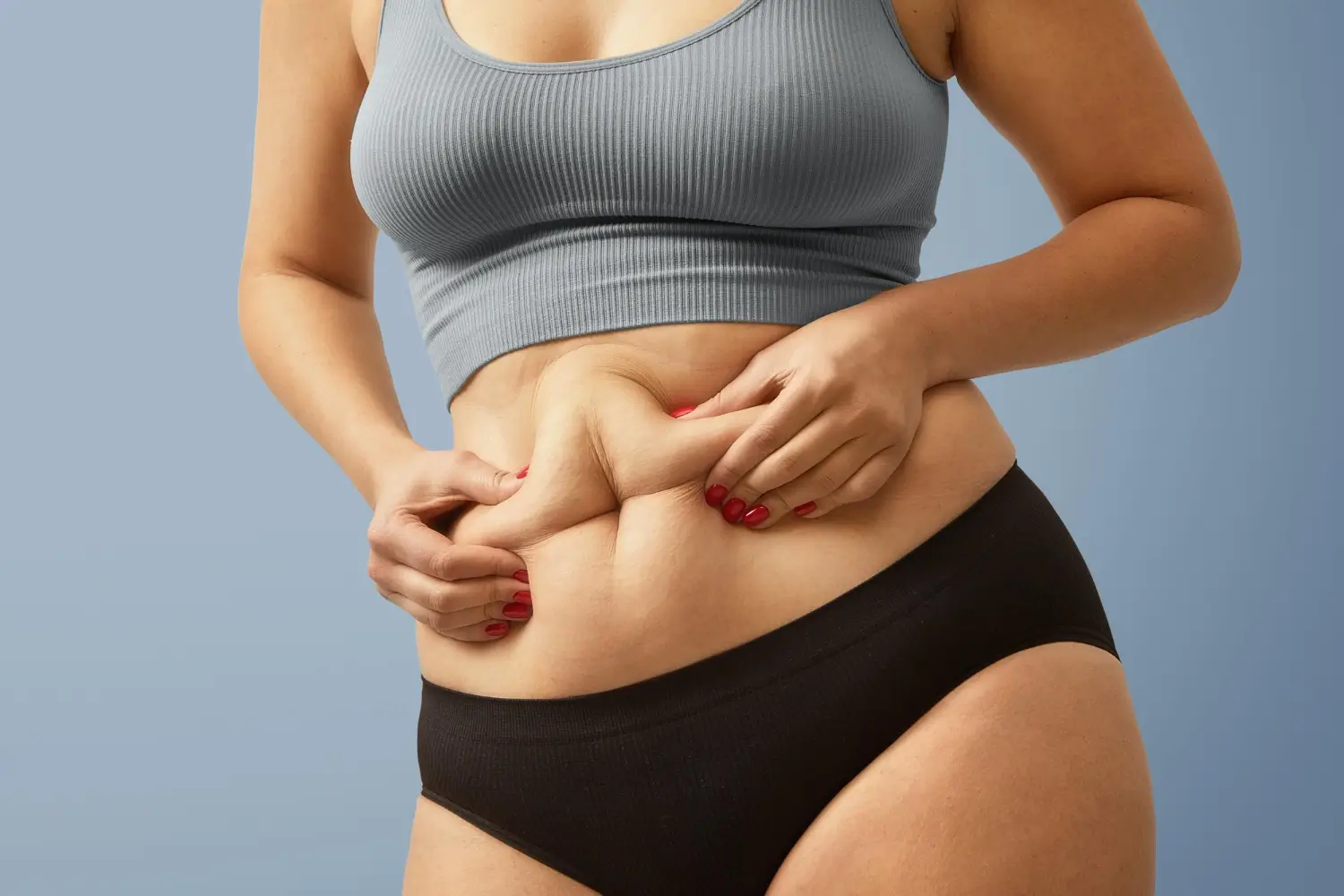
Cellulite and stubborn fat deposits are common aesthetic concerns affecting millions worldwide. As non-invasive treatments gain popularity, injectables like Alidya and Aqualyx offer promising alternatives to surgery, providing effective results with minimal downtime.
Alidya and Aqualyx serve distinct purposes: Alidya targets cellulite and enhances skin appearance, while Aqualyx focuses on dissolving localized fat for body contouring. Understanding their differences can help individuals choose the right treatment for their goals.
This article explores Alidya vs Aqualyx, including their composition, proposed mechanisms, clinical considerations, treatment areas, potential adverse effects, and patient selection.
Key Takeaways
- Alidya targets cellulite, while Aqualyx is used for fat dissolving, making their primary applications different.
- Alidya neutralizes toxins and improves tissue oxygenation, while Aqualyx emulsifies and eliminates fat cells.
- Aqualyx is ideal for localized fat deposits, while Alidya is best for patients with cellulite concerns.
- When comparing Alidya vs Aqualyx, both treatments require multiple sessions, with Aqualyx typically needing 2-8 treatments and Alidya 7-12 treatments.
- Side effects are minimal but may include swelling, redness, and discomfort at the injection site.
About: Trusted by over 2,000+ global clients since 2014, Direct Doctor Supply has become a leading supplier of cosmetic, skincare, and orthopedic products for medical and aesthetic professionals. Direct Doctor Supply offers a wide range of authentic brand-name products at competitive wholesale prices, sourced from around the world.
Composition and Mechanism of Action: Alidya vs Aqualyx
Alidya and Aqualyx work differently due to their distinct compositions and mechanisms. Alidya contains amino acids, chelating agents, and antioxidants designed to neutralize toxins, improve microcirculation, and prevent fat accumulation. It works by correcting extracellular matrix alterations, reducing the appearance of cellulite.
On the other hand, Aqualyx is a deoxycholate-based injectable that breaks down fat cell membranes, liquefying and eliminating them naturally through the lymphatic system. Aqualyx is a popular option for stubborn fat deposits that do not respond to diet or exercise. Unlike Alidya, Aqualyx is not designed for cellulite treatment but for fat reduction. Both treatments are minimally invasive and provide gradual results over multiple sessions.
Alidya vs Aqualyx should be approached as a comparison between two different treatment concepts: cellulite-focused mesotherapy versus localized adipose-tissue reduction. Furthermore, medical professionals looking to order Alidya online or Aqualyx should use appropriate professional supply channels, such as Direct Doctor Supply, to ensure genuine products and fast shipping to their doorstep.
Clinical Indications and Patient Selection Criteria
Choosing between Alidya vs Aqualyx depends on the patient’s concerns and body composition. The Alidya ingredients are combined to create an injection designed to treat cellulite and skin irregularities caused by gynoid lipodystrophy. This treatment is most effective for individuals in the early stages of cellulite, helping restore smoother, more toned skin.

Aqualyx targets localized fat deposits that resist diet and exercise. It is suitable for adults aged 18–60 with good skin elasticity who desire a non-surgical fat reduction solution. Aqualyx works by breaking down fat, which is then naturally eliminated by the body. Both treatments require administration by qualified professionals to ensure safety and efficacy.
Alidya vs Aqualyx Injection Protocols and Treatment Areas
Injection protocols and treatment areas for Alidya and Aqualyx vary based on patient needs. Proper technique ensures effective fat reduction and cellulite treatment, enhancing contouring results while minimizing risks and side effects.

Alidya Injection Protocol and Treatment Areas
- Typically requires 7-12 sessions, spaced one week apart.
- Injected using microinjections into areas with visible cellulite.
- Common treatment areas include:
- Thighs
- Buttocks
- Upper arms
- Abdomen
Aqualyx Injection Protocol and Treatment Areas
- Usually 2-8 sessions, spaced 3-4 weeks apart.
- Injected directly into fat deposits using a unique technique.
- Suitable for areas such as:
- Double chin
- Abdomen and flanks
- Inner and outer thighs
- Upper arms
- Knees and back rolls
Safety Profiles and Potential Side Effects
Both Alidya and Aqualyx have strong safety profiles when administered by trained professionals. However, mild side effects like swelling, redness, or discomfort may occur. Understanding these risks helps ensure safe and effective fat reduction and cellulite treatment. Some of the side effects that might occur include the following:
Common Side Effects
- Temporary redness, swelling, and bruising at the injection site.
- Mild discomfort or tenderness, usually subsiding within a few days.
- Itching or a slight burning sensation post-treatment.
Rare Side Effects
- Nodules or lump formation, which typically resolve with massage.
- Allergic reactions, though uncommon, may include skin irritation.
- Prolonged swelling or bruising in sensitive individuals.
Overall, both treatments are well-tolerated with proper aftercare and professional administration.
2026 Study Update
A 2025 study of 84 women found that ALIDYA™ mesotherapy reduced fat protrusion area at the dermal–subcutaneous junction by 35.96%, while cellulite severity decreased by more than 40%. Ultrasound also showed reductions in subcutaneous tissue thickness and dermal echogenicity. Because the study evaluated the thighs rather than the abdomen, these findings should not be interpreted as direct evidence for abdominal cellulite.[4]
Meanwhile, a 2025 case report highlights a rare but serious complication associated with Aqualyx. A 30-year-old man developed skin necrosis after Aqualyx injections for flank adiposity, requiring antibiotics, surgical debridement, and negative-pressure wound therapy. The authors attributed the complication to factors such as overly superficial injection or vascular occlusion, emphasizing the importance of appropriate injection technique, anatomical knowledge, and practitioner training.[5]
Conclusion
Alidya and Aqualyx are injectable aesthetic treatments that serve distinct purposes. Alidya targets cellulite, while Aqualyx focuses on reducing localized fat deposits. Choosing the right treatment depends on individual concerns—Alidya is ideal for those struggling with cellulite, whereas Aqualyx suits individuals seeking body contouring.
When evaluating Alidya vs Aqualyx, clinicians should consider the formulation, available evidence, treatment area, regulatory status, patient anatomy, and expected outcome, rather than assuming either product fits every body-contouring concern. Both approaches may require repeated treatments, and outcomes can vary. A qualified medical professional should assess the patient and establish an individualized treatment plan based on the product’s current documentation and applicable clinical standards.
FAQs
1. How long does it take to see results with Alidya?
Results typically become noticeable after 3-4 sessions, with full results visible after completing the treatment plan.
2. Is Alidya a permanent solution for cellulite?
Alidya improves the appearance of cellulite but requires maintenance treatments to sustain results.
3. Can Alidya be combined with other treatments?
Yes, Alidya can be combined with radiofrequency, lymphatic drainage, or mesotherapy for enhanced effects.
4. Who is not a good candidate for Alidya?
Individuals with severe cellulite, active infections, bleeding disorders, or pregnancy should avoid Alidya treatment.
Citations
[1] Luebberding, Stefanie, et al. “Cellulite: An Evidence-Based Review.” American Journal of Clinical Dermatology, vol. 16, no. 4, May 2015, pp. 243–56. https://doi.org/10.1007/s40257-015-0129-5.
[2] Cellulite Treatments: What Really Works? www.aad.org/public/cosmetic/fat-removal/cellulite-treatments-what-really-works.
[3] Mayo Clinic. “Cellulite – Diagnosis and Treatment – Mayo Clinic.” Mayo Clinic, www.mayoclinic.org/diseases-conditions/cellulite/diagnosis-treatment/drc-20354949.
[4] Mlosek, Robert, and Sylwia Malinowska. “Using High Frequency Ultrasound to Assess the Efficacy of Anti-Cellulite Treatments.” Clinical Cosmetic and Investigational Dermatology, vol. Volume 18, Oct. 2025, pp. 2869–85. https://doi.org/10.2147/ccid.s550627.
[5] Correia, Vítor Patrício. “Skin Necrosis Following Adipolytic Treatment.” The American Journal of Cosmetic Surgery, vol. 43, no. 3, Sept. 2025, pp. 275–78. https://doi.org/10.1177/07488068251374221.
Sourcing and accuracy for this article follow our Editorial policy: claims are cross-checked against clinical literature, regulatory filings, and manufacturer specifications before anything is published