

SHARE THIS ARTICLE
Silhouette threads
Silhouette Threads Side Effects – A Complete List
Mar 21, 2025
Thread lifts have been around since the 1990s, but recent innovations have made them safer and more effective. Modern thread lifts use absorbable materials like PDO, PLLA, and PCL, offering immediate lifting effects while stimulating collagen production to enhance skin elasticity over time. These advancements have made thread lifts a popular choice for addressing mild to moderate facial sagging without surgery, delivering natural-looking results.
Silhouette threads are a standout among these treatments, offering a natural lift while promoting skin rejuvenation. However, like any cosmetic procedure, they come with potential side effects, such as dimpling or asymmetry, making it crucial to choose an experienced practitioner.
In this article, we’ll dive into the Silhouette threads side effects, explore patient and expert insights, and help you understand what to expect from the treatment.
Key Takeaways
- Silhouette Threads commonly cause mild side effects like swelling, bruising, and tenderness, which resolve within days.
- Rare complications include infection, thread migration, and skin irregularities, requiring prompt medical intervention.
- Patient selection is crucial—those with thin skin or certain health conditions may have a higher risk of adverse effects.
- Proper technique, sterile conditions, and post-procedure care can significantly reduce the likelihood of complications.
- Compared to other thread lift options, Silhouette Threads offer long-lasting results but may have slightly higher risks due to their unique cone-based design.
About: Trusted by over 2,000+ global clients since 2014, Direct Doctor Supply has become a leading supplier of cosmetic, skincare, and orthopedic products for medical and aesthetic professionals. Direct Doctor Supply offers a wide range of authentic brand-name products at competitive wholesale prices, sourced from around the world.
Common Post-Procedure Silhouette Threads Side Effects
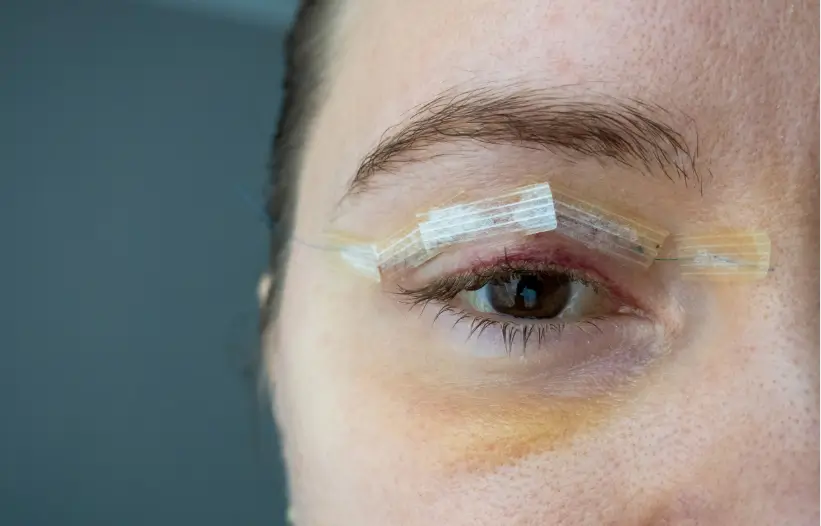
Reviews on Silhouette Threads often highlight how well the procedure is tolerated, though some temporary side effects are common as the body adjusts. Mild discomfort, swelling, bruising, and tenderness are frequently reported as Silhouette side effects. Below are the most common post-procedure reactions:

- Swelling: Mild to moderate swelling is a typical response as the body heals. It usually peaks within 48 hours and begins to subside within a week. Applying cold compresses and keeping the head elevated can help reduce swelling.
- Bruising: Minor bruising can occur due to slight blood vessel trauma during thread insertion.[1] This usually fades within 7 to 14 days. To speed recovery, patients may use arnica gel or take bromelain supplements.
- Discomfort and Tenderness: Patients may experience mild soreness at the insertion points, which generally lasts a few days. Over-the-counter pain relievers like acetaminophen can help ease discomfort, but NSAIDs should be avoided as they can worsen bruising.
- Skin Tightness and Sensation Changes: As the absorbable threads settle, some patients may notice temporary tightness or pulling, which usually resolves within two weeks as the skin adapts.
Recent Research on Thread Lift Side Effects
A 2026 meta-analysis reviewed 26 studies involving 2,827 patients to evaluate complications associated with facial thread lifting. The findings showed swelling in about 34% of cases, bruising in 26%, visible or palpable threads in 10%, and skin dimpling in 7%. These results highlight the importance of discussing potential side effects during patient consultations and setting realistic expectations before treatment. However, complication rates varied considerably between studies, and the findings cover thread-lifting procedures generally rather than Silhouette Threads exclusively.[5]
Make sourcing aesthetic supplies easier with Direct Doctor Supply. Buy Silhouette Threads wholesale and explore available products conveniently to support your clinic’s purchasing needs and workflow.
Rare Complications: Identification and Management
While rare, some complications following Silhouette Threads treatment may require prompt attention to prevent worsening outcomes. Early identification and proper management are key to ensuring patient safety, achieving optimal results, and maintaining overall satisfaction.
- Infection: Signs of infection include redness, warmth, swelling, and pus at the insertion site. Early antibiotic treatment can help prevent more serious issues. Patients should follow proper hygiene practices and adhere to post-procedure care instructions to minimize the risk of infection.
- Thread Migration or Extrusion: Occasionally, a thread may shift or protrude through the skin, often due to improper placement or excessive facial movement. If this occurs, the thread may need to be removed or repositioned.
- Skin Irregularities and Nodules: Visible bumps, dimpling, or uneven skin texture can develop if threads are placed too superficially. While mild cases may resolve with gentle massage and time, more severe cases might require corrective procedures.
Risk Factors and Patient Selection Considerations
Choosing the right candidates for Silhouette Threads is essential to minimize risks and ensure optimal outcomes. Factors such as skin quality, medical history, and lifestyle habits play a significant role in the procedure’s success.[2] A thorough assessment helps confirm suitability, reduce complications, and improve overall patient satisfaction.

- Skin Type and Thickness: Patients with very thin or inelastic skin may be at higher risk of visible absorbable threads or uneven results. Before proceeding with treatment, carefully evaluate skin texture and elasticity.
- Medical Conditions and Medications: Conditions such as diabetes, autoimmune disorders, or a history of keloid formation can increase the likelihood of complications. Patients on blood thinners should consult their physician beforehand, as these medications may increase bruising risk.
- Age and Lifestyle Factors: Older patients with significant skin laxity may require additional treatments for the best results. Lifestyle factors such as smoking, excessive sun exposure, and poor diet can negatively affect skin healing and the longevity of the results.
Prevention Strategies: Best Practices for Practitioners
To minimize complications with Silhouette Threads, practitioners should focus on effective prevention strategies, including proper technique, patient selection, and thorough aftercare. By following these best practices, providers can achieve safer, more successful outcomes.
- Use Sterile Technique: Adhering to proper aseptic procedures is crucial to reducing infection risk.
- Select Appropriate Thread Placement: Inserting absorbable threads at the correct depth helps prevent migration and visible irregularities.
- Minimize Trauma During Insertion: Gentle handling during the procedure helps reduce bruising and swelling.
- Provide Detailed Aftercare Instructions: Patients should avoid excessive facial movements, sleeping on their side, and strenuous activities for at least a week.
- Schedule Follow-up Appointments: Regular monitoring lets practitioners spot potential issues early and take corrective action if needed.
Safety Profile Comparison with Other Thread Lift Options
Silhouette threads are renowned for their dual-action benefits—providing an immediate lift while stimulating collagen production for long-term skin rejuvenation. Silhouette Threads reviews often highlight their lifting effects and potential for natural-looking results. Unlike PDO threads, which dissolve more quickly, Silhouette threads offer longer-lasting results (12–18 months) and provide enhanced anchorage due to their unique bidirectional cones.
A study emphasizes the biocompatibility and safety of Silhouette threads, stressing that proper technique is essential to minimize risks such as asymmetry. While PDO threads work well for mild tightening, Silhouette threads are better suited to moderate sagging.
They deliver natural-looking results, making them a top choice for patients seeking non-surgical facial rejuvenation. With the right expertise, practitioners can ensure optimal results while maintaining a high safety profile.
Conclusion
Silhouette Threads provide a non-surgical option for facial rejuvenation, offering generally mild and temporary side effects. While rare Silhouette Threads side effects can occur, proper technique and careful patient selection usually make them manageable. By taking preventive measures and ensuring patients follow aftercare instructions, practitioners can optimize results and minimize risks, leading to a safer and more satisfying treatment experience.
FAQs
1. How long do Silhouette Threads side effects last?
Most mild effects, like swelling and bruising, resolve within two weeks. More serious complications require medical attention.
2. Can Silhouette Threads be removed if needed?
Yes, a qualified professional can remove threads if migration, extrusion, or irregularities occur.
3. Are Silhouette Threads safe for all skin types?
Generally, yes, but patients with fragile skin or certain medical conditions may have a higher risk of complications.
4. What’s the main difference between Silhouette Threads and PDO threads?
Silhouette Threads provide a more substantial lift with cone-based structures, while PDO threads dissolve faster and have fewer migration risks.
5. How can I reduce the risk of complications?
Choose an experienced practitioner, follow aftercare instructions, and avoid excessive facial movements after the procedure.
Citations
[1] Cleveland Clinic. “Vascular Disease Overview.” Cleveland Clinic, 2019. Accessed 14 Oct. 2026. https://my.clevelandclinic.org/health/diseases/17604-vascular-disease.
[2] Humphrey, Shannon, et al. “Defining Skin Quality.” Dermatologic Surgery, vol. Publish Ahead of Print, no. 7, June 2021. https://doi.org/10.1097/dss.0000000000003079.
[3] Dehghani, S. “Introduction to Thread Lift: History and Evolution.” Canadian Board of Aesthetic Medicine, 16 Oct. 2024.
[4] Oh, S. M., G. Hong, and W. C. Song. “History of Thread Lifting.” The Art and Science of Thread Lifting Based on Pinch Anatomy and Moving Plane. Singapore: Springer, 2024. doi:10.1007/978-981-97-5516-5_1.
[5] Zhou, Xiaocheng, and Shubo Zhuang. “A Meta‑Analysis of Complications of Thread Lifting.” Frontiers in Surgery, vol. 13, Frontiers Media SA, Mar. 2026.
Sourcing and accuracy for this article follow our Editorial policy: claims are cross-checked against clinical literature, regulatory filings, and manufacturer specifications before anything is published