

SHARE THIS ARTICLE
Mirena
Do You Ovulate With Mirena IUD?
Aug 20, 2025
Did you know that while an egg only survives for about 12–24 hours after ovulation, sperm can remain in the female reproductive tract for up to five days? This timing creates a surprisingly narrow but important fertility window—and it’s why ovulation plays such a central role in both conception and contraception.
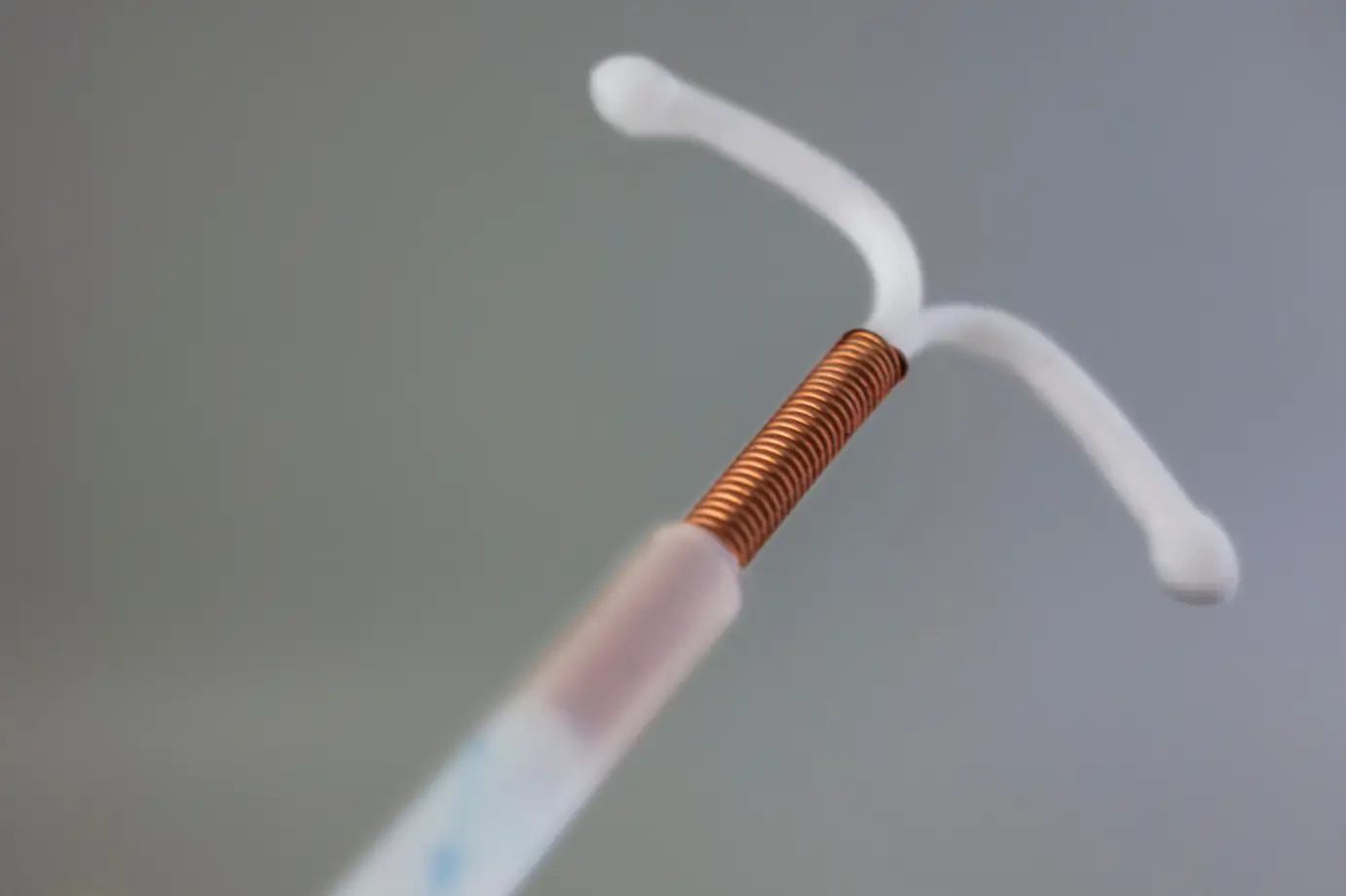
Hormonal contraceptives, such as the Mirena intrauterine device (IUD), are designed to close that window by making pregnancy much less likely. Mirena does this by releasing levonorgestrel, a synthetic hormone, directly into the uterus. This hormone thickens cervical mucus (blocking sperm) and thins the uterine lining (making implantation difficult). Unlike the pill, however, Mirena doesn’t always stop ovulation. For some women, ovulation may still occur—especially after the first year of use.
In this article, we’ll break down how Mirena works, whether ovulation continues while using it, what changes women may notice in their menstrual cycles, and how fertility returns once the device is removed. Practices that order Mirena online can review product information and consider its long-acting contraceptive design when evaluating hormonal IUS options.
Key Takeaways
- The Mirena IUD prevents pregnancy mainly by thickening cervical mucus and thinning the uterine lining, not by consistently stopping ovulation.
- Ovulation often continues with Mirena use, though some users may experience partial suppression. Rates vary based on individual factors such as age, hormone levels, and sensitivity to levonorgestrel.
- Cycle changes are common and may include lighter bleeding, spotting, or absence of periods, but these do not always reflect ovulation status.
- Fertility typically returns quickly after Mirena removal. Observational studies show pregnancy rates of about 88% within six months and 97% within 18 months, though results depend on age and baseline fertility.
- Aside from possible side effects, most women tolerate Mirena well and benefit from lighter, more manageable cycles.
- Mirena is considered a reliable, reversible, long-acting contraceptive with the added advantage of a quick return to natural cycles after removal.
About: Trusted by over 2,000+ global clients since 2014, Direct Doctor Supply has become a leading supplier of cosmetic, skincare, and orthopedic products for medical and aesthetic professionals. Direct Doctor Supply offers a wide range of authentic brand-name products at competitive wholesale prices, sourced from around the world.
How Mirena Affects Ovulation and the Menstrual Cycle
The Mirena intrauterine device (IUD) is a form of long-acting, reversible contraception that releases levonorgestrel, a synthetic form of progesterone, directly into the uterus. Its primary role is to prevent pregnancy by thickening cervical mucus (to block sperm) and thinning the uterine lining (to discourage implantation). Unlike some hormonal contraceptives, Mirena does not consistently block ovulation in every user.

For many women, ovulation continues while using Mirena. The device can influence ovarian function in some users, but its contraceptive action does not depend on completely shutting down ovulation. This is an important distinction when considering do you ovulate with Mirena IUD, because a woman can continue releasing eggs while remaining highly protected against pregnancy.
Bleeding patterns can change considerably during use. Some users experience irregular spotting during the first several months, followed by lighter periods or amenorrhea. These changes primarily reflect the effect of levonorgestrel on the endometrium and should not be interpreted as a direct measure of ovarian activity.
Evidence on Ovulation Suppression With Mirena Hormonal IUD Use
Unlike systemic birth control contraceptives that consistently suppress ovulation, Mirena’s localized hormone delivery allows ovulation to continue in many users. Clinical and pharmacological studies provide valid but variable estimates:
- About 45% of cycles remain ovulatory after the first year of use.
- By the fourth year, up to 75% of cycles are ovulatory.
These figures are useful when answering do you ovulate with Mirena IUD, but they should not be treated as a prediction for an individual user. Ovulatory activity can vary with age, reproductive stage, ovarian function, and individual response to levonorgestrel.
Even when ovulation is suppressed, Mirena prevents pregnancy effectively through multiple intrauterine mechanisms, including:
- Thickening cervical mucus to block sperm passage
- Thinning the endometrial lining to prevent implantation
- Altering tubal motility and impairing sperm survival
These actions often result in lighter or absent periods. However, bleeding patterns do not reliably indicate ovulation status, meaning that even women who no longer have regular periods may still be ovulating.
Additional evidence comes from small pilot studies, such as those conducted in perimenopausal women, which showed that while systemic levonorgestrel levels may alter hormonal signaling, most participants continued to ovulate despite changes in bleeding patterns.
This confirms that Mirena provides reliable pregnancy prevention even without complete ovulation suppression. Its dual mechanism of action—both hormonal and mechanical—offers peace of mind for users who want long-term protection without entirely disrupting their natural cycles.
Why Ovulation Can Continue for Some Mirena IUD Users
A common question women ask is: “Do you ovulate with the Mirena IUD?” For many, the answer is yes. Since Mirena works primarily within the uterus rather than systemically, ovulation is not continually suppressed. Instead, its contraceptive effect comes from creating multiple barriers: thick cervical mucus, a thinner uterine lining, and reduced sperm survival.
Because ovulation is not Mirena’s primary target, many women still release an egg each month, even if their bleeding patterns look very different. It’s important to note that spotting, lighter periods, or even the absence of periods do not necessarily mean ovulation has stopped.
This ongoing ovarian activity explains why fertility usually returns quickly after Mirena is removed. Since the ovaries are not consistently suppressed, most women resume regular ovulation within weeks. Clinical studies show that ovulation resumes in the majority of women within the first month after discontinuation, reinforcing Mirena’s reputation as a reversible, long-acting contraceptive.[1]
2026 Study Update
A systematic review helps clarify what happens to ovulation during use of a levonorgestrel-releasing intrauterine system such as Mirena. Across 18 studies, the review found very high contraceptive effectiveness, with a Pearl Index of 0.13 and pregnancy rates below 1%, while also noting that the device’s effects are primarily localized to the uterus rather than consistently suppressing ovulation throughout the body. This distinction is important when discussing whether someone can ovulate with a Mirena IUD: ovulation may continue in many users even though the IUD provides highly effective contraception.[3]
The review also found that amenorrhea occurred in about 10% to 37% of users, showing that the absence of menstrual bleeding should not automatically be interpreted as evidence that ovulation has stopped. Overall, the findings support counseling that separates changes in bleeding patterns from the underlying effects of the levonorgestrel IUS on ovulatory function
Fertility and Menstrual Patterns After Mirena IUD Removal
One of the most reassuring aspects of Mirena is how quickly fertility returns after removal. Observational studies report that cumulative pregnancy rates reach about 88% by six months and 97% by 18 months.[2] However, these figures are averages and may be influenced by individual factors such as age and baseline fertility health.

Because Mirena IUDs often allow ovulation during use, the body usually transitions back to natural cycles without major delay. Still, some women may notice temporary menstrual irregularities as hormone levels stabilize. These can include:
- Heavier or longer periods as the uterine lining rebuilds
- More noticeable ovulation symptoms such as cramping or discharge
- Cycle variability for the first few months
These effects are typically short-lived and are not linked to long-term fertility problems. Research consistently shows that Mirena does not harm future fertility, and cases of difficulty conceiving are usually related to underlying conditions rather than prior IUD use.
Aside from understanding potential Mirena IUD side effects, knowing what to expect after removal helps women make informed decisions about family planning and approach cycle changes with confidence.
Conclusion
So, do you ovulate with Mirena IUD? Often, yes. Mirena can suppress ovulation in some users, particularly at certain points during use, but many women continue to ovulate. The device does not need to stop ovulation completely to provide highly effective contraception.
Its primary contraceptive effects occur through local levonorgestrel activity, particularly changes to cervical mucus and the endometrium. This helps explain why a woman can continue releasing eggs while experiencing very light periods or no bleeding at all.
For women considering Mirena, understanding this distinction can make changes in bleeding and cycle symptoms easier to interpret. Fertility also generally returns after removal, making the device a reversible option for those who may want to conceive in the future.
FAQs
1. Do you still ovulate with Mirena?
Yes. Many women continue to ovulate while using Mirena, though some may experience partial ovulation suppression. This varies by individual factors such as age, hormone levels, and response to levonorgestrel.
2. If I don’t get a period on Mirena, does that mean I’m not ovulating?
Not necessarily. Lighter or absent periods are common with Mirena, but they don’t reliably indicate whether ovulation is happening. Some women still release eggs even without monthly bleeding.
3. How effective is Mirena if it doesn’t always stop ovulation?
Very effective. Mirena’s primary mechanisms, thickened cervical mucus and a thinner uterine lining, prevent pregnancy even if ovulation occurs. Its failure rate is less than 1% with proper placement.
4. How soon does fertility return after Mirena removal?
Fertility usually returns quickly. Studies show that most women ovulate within a month, and observational data report pregnancy rates of about 88% within six months and 97% within 18 months, depending on age and baseline fertility.
5. Can Mirena affect my menstrual cycle?
Yes. Many women notice lighter bleeding, irregular spotting, or no periods at all. These changes are expected and usually not a sign of health problems.
6. What are the most common side effects of Mirena?
Typical side effects include irregular bleeding, spotting, breast tenderness, mood changes, or ovarian cysts. Most are mild and improve with time, but each woman’s experience is unique.
7. Is Mirena safe if I want children in the future?
Yes. Mirena is fully reversible, and fertility generally returns quickly after removal. It does not cause long-term infertility.
Citations
[1] Bayer HealthCare Pharmaceuticals Inc. “MIRENA (Levonorgestrel-Releasing Intrauterine System) HIGHLIGHTS OF PRESCRIBING INFORMATION.” Accessdata.Fda.Gov, US Food and Drug Administration, https://labeling.bayerhealthcare.com/html/products/pi/Mirena_PI.pdf. Accessed 1 Oct. 2026.
[2] Villegas, Teresa. “Can the Elimination of Mirena Result in Infertility?” HowWeBecameaFamily.com, 13 Sept. 2024, howwebecameafamily.com/can-the-elimination-of-mirena-result-in-infertility.html.
[3] Joseph, Ashly. “Levonorgestrel Intrauterine System: Do the Contraceptive Benefits Outweigh the Risks in Light of New FSRH Guidance?” British Journal of General Practice, vol. 76, no. suppl 1, May 2026, p. bjgp26X745389. https://doi.org/10.3399/bjgp26x745389.
[4] Dinehart, Erin, et al. “Levonorgestrel IUD: Is There a Long-lasting Effect on Return to Fertility?” Journal of Assisted Reproduction and Genetics, vol. 37, no. 1, Nov. 2019, pp. 45–52. https://doi.org/10.1007/s10815-019-01624-5.
Sourcing and accuracy for this article follow our Editorial policy: claims are cross-checked against clinical literature, regulatory filings, and manufacturer specifications before anything is published