

SHARE THIS ARTICLE
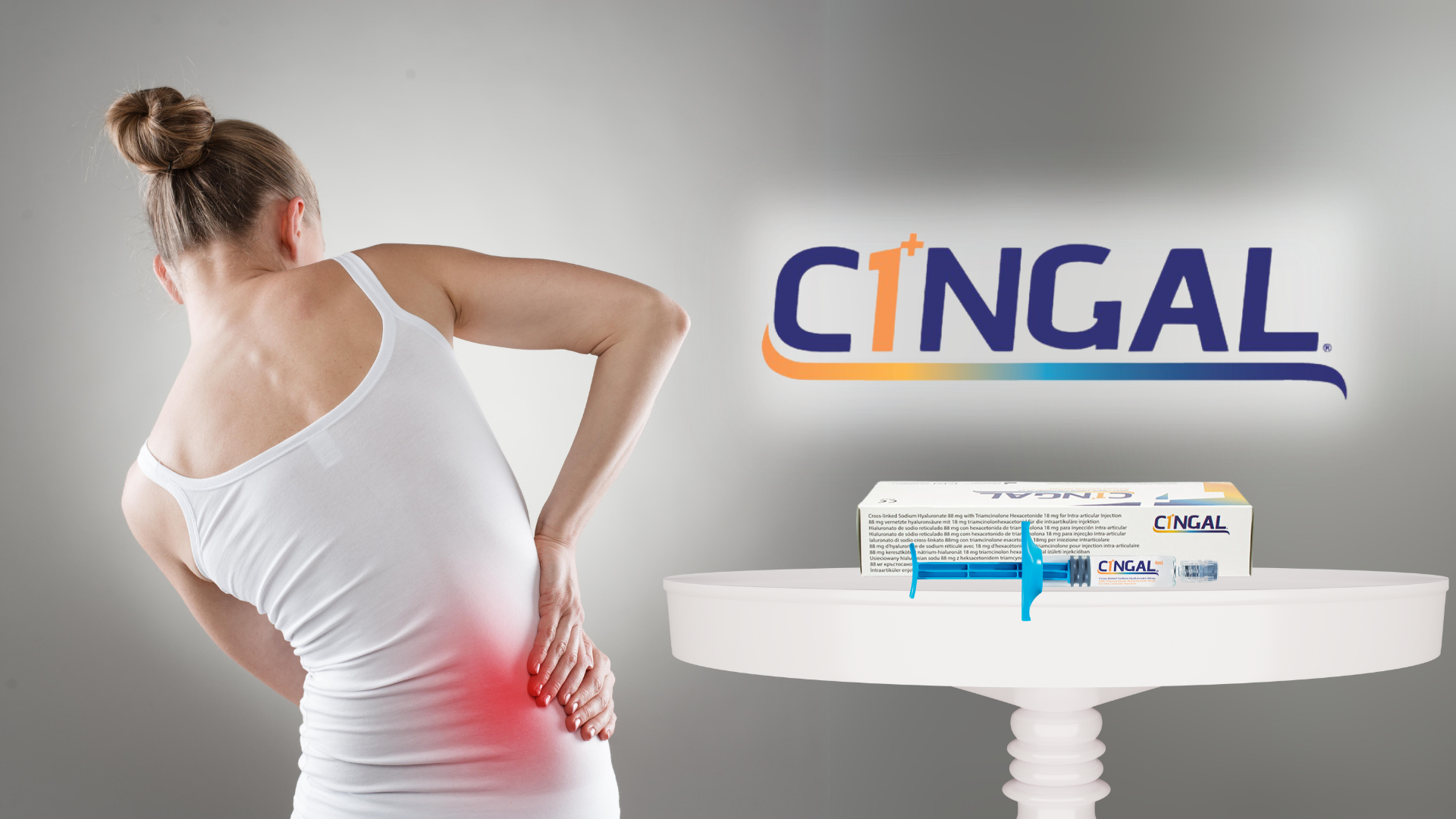
Cingal
Exploring Cingal Hip Injections: A Comprehensive Review
Feb 15, 2024
Did you know that over 330,000 hip replacement surgeries are performed annually in the United States alone? Successful operations can improve patients’ quality of life and allow them to perform everyday activities. However, this surgical treatment also carries significant risks. If a hip replacement surgery doesn’t go well the first time, patients may have to undergo the operation again.
Osteoarthritis (OA), a type of arthritis that develops and worsens over time, can affect over 500 million people worldwide. Although this disease commonly affects the knee, some people can experience OA in the hips. Cingal injections for hip pain have recently become popular because they deliver instant relief and help heal the affected joint.
Learn more about this treatment by exploring some Cingal hip injection reviews, which highlight its instant and long-lasting benefits for those struggling with hip pain.
Key Takeaways
- Cingal injections combine hyaluronic acid and a steroid to provide comprehensive relief for hip pain and inflammation.
- This innovative treatment option can relieve pain, improve joint function, and potentially delay or avoid surgery.
- Patients and healthcare providers should carefully consider eligibility, potential risks, and comparisons with other treatment options when exploring Cingal injections for hip-related issues.
- Cingal injections have shown positive outcomes in managing conditions such as hip osteoarthritis, joint degeneration, and postinjury rehabilitation.
- Clinical studies and patient experiences support the long-term effectiveness and sustained pain relief from Cingal injections.
Understanding Cingal Hip Injections
Cingal injections combine cross-linked hyaluronic acid (HA) and a quick-acting steroid called triamcinolone hexacetonide. This mixture helps people with hip pain from osteoarthritis by relieving pain and improving joint function.
HA is a substance the body produces naturally. In Cingal injections, HA works like oil to help the hip joint move smoothly and provide cushioning. Meanwhile, the steroid in Cingal’s formulation acts quickly to reduce swelling and pain.
The combination of hyaluronic acid and a steroid in Cingal sets it apart from traditional hyaluronic acid injections or corticosteroid injections. This dual-action formulation aims to address both the symptoms and the underlying causes of hip pain, offering a more comprehensive approach to treatment. For clinics and healthcare providers sourcing Cingal for appropriate clinical use, the option to order Cingal wholesale through a medical supplier can help support their product needs.
Patients often turn to this treatment when regular over-the-counter painkillers don’t work well enough or if they want to avoid surgery and the risks that come with it.
Mechanisms of Action
Licensed practitioners administer Cingal directly into the hip joint so it can glide smoothly. While delivering fast results, Cingal injections provide longer-lasting relief from osteoarthritis symptoms than many other treatments.
Cingal also helps people do everyday activities, such as walking, bending, or sitting, more comfortably after the injection. This treatment can also help people avoid surgery by keeping their hips working well with less pain.
Benefits of Cingal Hip Injections

Cingal injections are a promising option for patients with hip pain due to osteoarthritis who have not found adequate relief from other treatments. Combining hyaluronic acid and corticosteroids, Cingal can offer the following benefits:
- Pain Relief and Inflammation Reduction: Cingal hip injections offer quick pain relief and reduce swelling. They work quickly, easing pain within a few days after a single shot. Doctors see this as a big win because it means less use of strong painkillers like opioids.
- Improvement in Joint Function and Mobility: People with osteoarthritis in their hips find walking, climbing stairs, and doing other daily things easier after getting Cingal injections. Clinical studies show these shots improve hip function and help you move more comfortably. Cingal hip injections are changing how we treat painful joints.
- Potential to Delay or Avoid Surgical Intervention: This treatment has shown promise for those with osteoarthritis in the hip joint. Many people with hip pain worry about needing surgery, but Cingal hip injections can change that for some patients. They offer a way to handle pain and could help you wait longer before having an operation.
Considerations for Cingal Hip Injections

When considering Cingal hip injections, it’s essential to evaluate who benefits most from this treatment and weigh the potential risks. A broader view helps you make informed decisions.
Patient Eligibility and Candidacy
Not all patients with hip pain may be suitable candidates for Cingal injections. Healthcare providers assess factors such as condition severity, medical history, and previous treatment outcomes to determine whether Cingal is appropriate.
Potential Side Effects and Risks
Selecting suitable patients for Cingal hip injections is crucial. Even with careful screening, risks and side effects remain.
- Injection site pain, rash, redness, or swelling
- Joint pain or stiffness
- Water retention and swelling
- Spots or discoloration of the skin
- Allergic reaction or infection
These side effects are usually mild and temporary and resolve without treatment. However, you must contact your doctor if they persist or worsen.
Comparison With Other Hip Pain Management Options
After discussing the potential side effects and risks of Cingal hip injections, it’s important to understand how Cingal compares with other hip pain management options. Reviewing Cingal hip injection reviews can provide additional perspectives on patient experiences, while choosing an effective treatment can be pivotal in managing hip pain for both short-term relief and long-term health.
| Treatment Option | Mechanism of Action | Effectiveness | Potential Side Effects | Duration of Relief | Candidate Suitability |
Cingal Hip Injections | Combination of hyaluronic acid and corticosteroid | Superior pain reduction | Mild to moderate, similar to corticosteroids | Varies; most patients report long-lasting relief | Patients with osteoarthritis and joint degeneration |
Corticosteroid Injections | Anti-inflammatory action | High effectiveness for short-term pain management | Potential joint damage with repeated use | Medium-term | Wide range of inflammatory joint conditions |
Viscosupplementation (Hyaluronic Acid) | Lubricates and cushions the joint | Small reduction in pain intensity | Minimal side effects; risk of joint swelling and pain | Medium term | Patients with mild to moderate osteoarthritis |
These comparisons underline Cingal’s place in the spectrum of osteoarthritis-related pain management. Clinicians must weigh each option’s benefits and drawbacks before proceeding with a personalized treatment plan for their patients.
Applications of Cingal Hip Injections
- Hip Joint Degeneration: Hip degeneration occurs when the joint cartilage wears down, causing the bones to rub and hurt. This makes activities or movements like walking or sitting difficult and painful. Cingal may help people with hip degeneration cope better, reducing pain and damage and improving hip function.
- Postinjury Rehabilitation: Following hip injuries, Cingal injections may aid rehabilitation by reducing inflammation and promoting better joint mobility, allowing patients to recover more effectively.
Cingal Hip Injection Reviews: Outcomes and Success Rates
Three phase III clinical trials prove the efficacy and safety of Cingal injections. They provide rapid and long-lasting pain relief that can last up to six months with just one injection. These trials compared Cingal to treatment options like saline injections or hyaluronic acid alone.
The trials showed that Cingal injections provided rapid, long-lasting pain relief that can last up to six months. Cingal also improved joint function and mobility. Moreover, they had a low risk of side effects and complications and were well-tolerated by most patients. These findings provide useful context for the potential use of Cingal injections for hip pain, particularly when osteoarthritis contributes to discomfort and reduced mobility.
Clinical studies also confirmed the safety of repeat Cingal injections. There were no serious adverse events related to the injection, and the most common side effects, like injection site pain or swelling, disappeared after the treatment.
2025 Evidence on Cingal for Hip Osteoarthritis
A 2025 prospective observational study provides more recent evidence specifically on Cingal injections for hip osteoarthritis. The study included 100 adults aged 40 to 65 with mild to moderate hip OA who received an ultrasound-guided Cingal injection. At six months, patients showed significant improvements in hip pain, function, and quality of life, while pain medication use also decreased. The study reported that the most common adverse event was temporary hip pain lasting less than seven days.
The researchers also noted that the improvements were more pronounced at one month and appeared to diminish between one and six months. These findings suggest that Cingal may provide meaningful symptom relief for patients with mild to moderate hip OA, while also highlighting the importance of considering how treatment effects change over time.[4]
Patient Testimonials and Experiences
People with pain caused by osteoarthritis (OA) have shared their experiences using Cingal injections. Most patients say these shots helped with knee and hip pain, as Cingal allowed them to move better and feel less pain after the injection.
One patient, Gary, is a motorsport enthusiast who sought Cingal to treat OA in his knee. Although he’d had several shots of Monovisc in the past, he needed a stronger treatment for faster relief so he could still participate in his motorsport events.

After receiving Cingal in both knees, he shared how he felt no pain. With Cingal, he was as mobile and flexible as ever. Gary also added that Cingal allowed him to strengthen and protect his knees for the long term.
Dr. Olufemi Ayeni has also shared his experience administering Cingal injections to relieve knee and hip pain. His patients were usually those who weren’t candidates for hip replacement surgeries or those who felt like prescription medicine wasn’t effective anymore.

Dr. Ayeni praises the innovative formulation as its anti-inflammatory and hyaluronic acid (HA) components are like hitting two birds with one stone. Cingal hyaluronic acid injections have proven reliable and effective compared with other orthopedic treatments Dr. Ayeni used in the past, providing instant and long-lasting relief.
Finally, the Cingal 13-01 trial noted that patients saw a significant drop in pain after receiving Cingal. The results showed that the injections reduced joint pain by 72% six months after initial treatment, suggesting promising outcomes for future Cingal hip injection reviews.
Conclusion
Cingal injections are a promising treatment for hip osteoarthritis, which causes pain and stiffness in the hip joint. Combining hyaluronic acid and a steroid, Cingal provides comprehensive benefits, including pain relief, reduced inflammation, and improved joint mobility.
Patients, caregivers, and healthcare professionals can learn how Cingal works, its benefits and risks, and who can benefit. Cingal injections offer a viable alternative to surgery for some patients with hip osteoarthritis.
FAQs
1. What is a Cingal injection shot, and what does it do?
A Cingal injection shot is a type of treatment for pain caused by osteoarthritis, a condition that wears out the cartilage in the joint. A Cingal injection shot combines hyaluronic acid (HA) and triamcinolone hexacetonide. HA is a natural substance that lubricates and cushions the joint, while triamcinolone hexacetonide is a steroid that reduces inflammation and pain.
2. How does Cingal stack up against cortisone shots?
Cingal and cortisone shots are both types of injections that can help relieve pain and inflammation in the joints caused by osteoarthritis. However, they differ in composition and duration. Cingal may offer more comprehensive benefits than cortisone shots, as it can address both pain and joint damage. It is also a single-injection treatment, unlike cortisone shots that are given as a series of injections.
3. How long do results from Cingal last?
Cingal injections provide results that can last up to six months or more. However, the duration of the results may vary depending on the individual condition and response of the patient. Some patients may need one or more injections to achieve optimal results, and Cingal has been proven safe for retreatment.
4. Will it hurt if I get Cingal injections?
Like any treatment involving injections, Cingal shots may cause some pain or discomfort at the injection site. You can always ask your doctor if they can administer anesthesia to the joint first to help make the procedure more comfortable and tolerable. Following the treatment, patients may feel side effects like swelling, redness, or pain in the injection site, which are usually mild and temporary.
5. Can I use Cingal in other joints?
Doctors mainly use Cingal injection for knee pain, helping relieve the afflicted joint so patients can walk and move better.
Citations
[1] World Health Organization. “Osteoarthritis.” World Health Organization, 2023. Accessed 16 Sept. 2026.
[2] Hip Replacement (Hip Arthroplasty). Cleveland Clinic. https://my.clevelandclinic.org/health/treatments/17102-hip-replacement.
[3] Hangody, L. R., R. Szody, P. Łukasik, et al. “Intraarticular Injection of a Cross-Linked Sodium Hyaluronate Combined with Triamcinolone Hexacetonide (Cingal) to Provide Symptomatic Relief of Osteoarthritis of the Knee: A Randomized, Double-Blind, Placebo-Controlled Multicenter Clinical Trial.” Cartilage, vol. 9, no. 3, 2017, pp. 276–83. doi:10.1177/1947603517703732.
[4] Bourgeault-Gagnon, Yoan, et al. “Intra-Articular Injection of a Cross-Linked Hyaluronic Acid Combined with Triamcinolone Hexacetonide Improves Pain at Six Months in Patients with Mild to Moderate Hip Osteoarthritis: A Prospective Observational Study.” Journal of ISAKOS, vol. 10, Feb. 2025, p. 100363. https://doi.org/10.1016/j.jisako.2024.100363. Accessed 16 Sept. 2026.
Sourcing and accuracy for this article follow our Editorial policy: claims are cross-checked against clinical literature, regulatory filings, and manufacturer specifications before anything is published