

SHARE THIS ARTICLE
Cingal
Discover Cingal Injection: Your Solution for Joint Pain Relief
Feb 16, 2024
Did you know that at 45, most people who start feeling joint pain have a degenerative disease called osteoarthritis (OA)?[1] This condition progresses slowly and may result from various factors, such as physical activity levels or any history of injuries. Joint pain can significantly impact daily life, making walking or climbing stairs difficult. This prompts individuals to seek relief for their joint pain.
Cingal hyaluronic acid injections have become a go-to option for many because they quickly and effectively relieve joint pain, especially in the knees and hips. Doctors recommend it, and patients have no regrets about getting Cingal for their joints because they can enjoy the results for almost half a year.
In this article, you will learn everything you need to know about Cingal injections and how they can be your solution for joint pain.
Key Takeaways
- Cingal injection for knee pain blends hyaluronic acid with a steroid to help those with joint pain, especially from osteoarthritis. It can also be used to treat the hips.
- Patients can feel relief quickly and enjoy less pain for up to six months with just one shot of Cingal.
- This treatment is also suitable for athletes with joint injuries who want a fast way back to playing sports.
- People looking to fix joint pain without surgery might like Cingal treatments.
- Before getting the shot, talk with a doctor about whether it’s right for you. Afterward, take care of the joint based on what your doctor says.
Understanding Joint Pain and Its Impact
It’s not uncommon to feel pain in your joints. Many factors can cause this, including physically demanding activities, injuries, or simply age. Joint pain can profoundly affect daily life. The actions and things we can do become limited because the pain can be too much for us to handle.
One of the most common causes of joint pain is osteoarthritis (OA), a type of arthritis that develops when joint tissues break down over time. As the cartilage wears off, your bones rub against each other and cause swelling. When this happens, your joints feel stiff and painful because of the swelling, forcing you to stop moving or doing actions that require you to use your joints. If you’re exploring treatment options for joint pain, understanding what a Cingal injection is can help you learn how this injectable may manage OA-related discomfort.
Healthcare professionals and clinics, as well as general consumers, can order Cingal online through Direct Doctor Supply, a medical supplier that provides Cingal and other products for clinical and personal use.
The Impact of Joint Pain on Daily Life
Joint pain makes even the simplest tasks difficult. Climbing stairs, walking long distances, or even standing up can feel like too much work because of the joint pain.
Someone with osteoarthritis (OA) may start seeing everyday activities as challenging. Aside from making moving tough, it also changes how someone feels overall.
Physically, they may feel exhausted more quickly because of how hard it is to manage the pain. Mentally and emotionally, people with OA feel sad or angry because they can’t do what they used to do. They may not be able to enjoy hobbies or sports and might even have to make major adjustments to their daily routine because of joint pain.
That is why finding relief through treatments like Cingal injections is so essential. It helps folks get back to their regular lives without constant discomfort. Healthcare professionals and clinics exploring Cingal as a treatment option can order Cingal online from Direct Doctor Supply, a supplier of Cingal and other orthopedic products.
What is Cingal Injection?

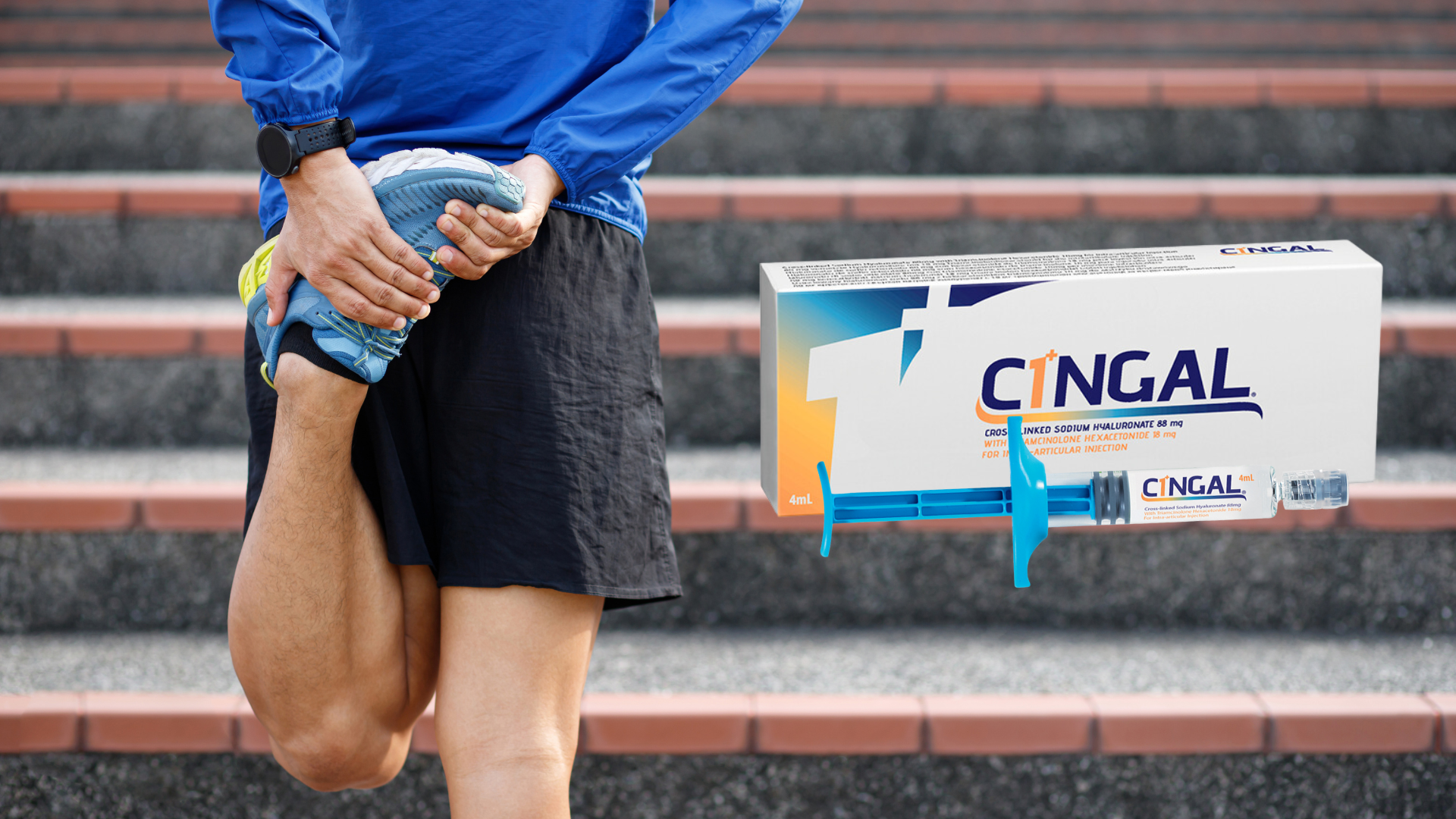
Cingal injection combines two key components: cross-linked hyaluronic acid (HA) and a steroid called triamcinolone hexacetonide. This unique, powerful mixture can provide comprehensive relief through its dual-action approach, setting it apart from other joint pain treatments.
Since the HA in Cingal is cross-linked, it’s thicker and works better to lubricate and cushion the joint. Meanwhile, steroids aim to reduce swelling and inflammation. As Cingal works its magic, joints can start moving smoothly, and osteoarthritis-related pain can be quickly reduced.
Many doctors recommend Cingal to treat osteoarthritis in the knee or hips because it provides more extended relief than other orthopedic injections. It’s a next-generation option for managing joint pain.
How Cingal Injection Works to Relieve Joint Pain
Our bodies produce synovial fluid to help joints move and prevent them from rubbing together. When joints rub together, friction causes swelling and pain, which can lead to degradation.
Hyaluronic acid (HA) can be found in synovial fluid, which is why it’s a popular treatment for knee or hip osteoarthritis (OA). Although HA is natural, our bodies may stop producing more of it as we age, so doctors administer injections like Cingal to increase HA levels.
Applying HA to OA-afflicted joints increases the density of the synovial fluid so the bones can stop grinding against each other. Furthermore, the powerful steroid in Cingal injections helps tackle joint pain where it hurts most. The steroid works fast to calm down inflammation.
Clinical Evidence Supporting the Efficacy of Cingal Injection
Cingal has undergone three phase III clinical trials to determine and support its safety and efficacy. During these trials, Cingal treatments were compared to using hyaluronic acid alone or saline injections to relieve knee osteoarthritis (OA). Doctors observed and measured participants’ pain, stiffness, and joint function during and after receiving a Cingal shot.
The positive results solidified Cingal’s safety and efficacy as an orthopedic injection. Participants shared how Cingal provided rapid and long-lasting pain relief that lasted up to six months after the initial shot. They also had improved joint function and mobility and helped delay the need for surgery.
The treatment also carried a low risk of side effects or adverse reactions. Cingal was well tolerated by most patients who participated in the trials. Common side effects like pain in the injection site or redness were mild and temporary.
A clinical study also evaluated the safety of a repeat injection of Cingal for OA-related knee joint pain. The study tested 94 participants who had already received one shot of Cingal. After six months, they received a second injection.
The study found that Cingal is safe for retreatment, as none of the patients experienced harmful effects.
Recent Evidence on HA and Corticosteroid Combination Injections
A 2026 meta-analysis examined whether combining hyaluronic acid (HA) with corticosteroids provides greater benefits than HA alone for people with knee osteoarthritis. The researchers analyzed randomized controlled trials involving 216 patients and found no significant difference in WOMAC scores between HA alone and corticosteroid-augmented HA at either 3 to 4 months or 4 to 6 months of follow-up. These findings suggest that while adding a corticosteroid may provide an initial anti-inflammatory effect, the combination does not necessarily produce better mid-term functional outcomes than HA alone. This provides additional context for evaluating combination treatments such as Cingal alongside other injection options.[4]
Potential Benefits of Cingal Injection for Joint Pain Relief

Aside from knowing what a Cingal injection is, it is also necessary to learn that the use of Cingal injection offers several potential benefits for individuals struggling with joint pain, including the following:
- Reduced Inflammation and Swelling: Cingal injection is a hero for those struggling with joint pain thanks to its star component: triamcinolone hexacetonide. This steroid works fast to calm swelling and soreness in places like the knee.
- Long-lasting Pain Relief: With Cingal hyaluronic acid working alongside triamcinolone hexacetonide, joints get extra help staying lubricated and functioning well after treatment. It’s an effective one-two punch against joint pain that doesn’t require going under the knife or settling for short-lived solutions like cortisone shots alone. Clinical evidence suggests these benefits can last well past six months, improving quality of life without needing repeat treatments too soon.
- Improvement in Joint Function and Mobility: Cingal injection stands out because it helps protect joints from further wear while enhancing flexibility. For someone with osteoarthritis or recovering from a joint injury, this means getting back to an active lifestyle is within reach.
Who Can Benefit from Cingal Injection?
Cingal injection is well-suited for a diverse range of individuals dealing with joint pain. Those with osteoarthritis are the prime candidates, but Cingal can also help athletes recovering from injuries or individuals seeking nonsurgical options to manage joint pain.
- Patients with Osteoarthritis (OA): People living with OA know the struggle of joint pain all too well. Their quality of life may already be affected to the point that they struggle to move. Cingal can offer these patients a mix of treatments that can target the pain and swelling in their knees or hips caused by OA. With its ability to deliver fast results, Cingal can help patients with OA move more smoothly and reduce joint stiffness.
- Athletes Recovering from Joint Injuries: Athletes often push their bodies hard, leading to joint injuries that can sideline them from the sports they love. They can use Cingal to speed rehabilitation and reduce the risk of recurring discomfort.
- Individuals Seeking Nonsurgical Joint Pain Treatments: Many want to ease joint pain without surgery. Cingal injection offers that option. Administering the injection can only take half an hour, making it an attractive option for those who want to manage joint pain without all the fuss of long recovery periods or intense aftercare maintenance.
The Process of Receiving Cingal Injection Treatment
The journey toward Cingal injection treatment begins with a consultation and evaluation with a healthcare provider. During this process, the provider will assess the individual’s condition and determine whether Cingal injection is a suitable treatment option.
If deemed appropriate, the healthcare provider will administer the injection, typically targeting the affected joint directly. The healthcare provider may use ultrasound guidance to place the medicine exactly where it needs to go, especially in tricky areas like the hip. When researching treatment experiences and outcomes, Cingal hip injection reviews may also provide additional perspectives, although individual results can vary.
Post-treatment care and follow-up recommendations will help ensure optimal results and recovery. Doctors may suggest the following:
- Patients should get adequate rest.
- Avoid strenuous or intense activity for a while after the injection.
- Attend follow-up visits so doctors can check how your joint responds to Cingal’s formulation.
- During follow-up visits, doctors will also want to see how the joint moves and feels.
Conclusion
For individuals exploring treatment options, knowing what a Cingal injection is can provide useful context when discussing joint pain management with a healthcare provider. Cingal injection offers a unique, practical approach to managing joint pain by combining hyaluronic acid and a corticosteroid to address discomfort and inflammation.
By addressing the root causes of joint pain and providing long-lasting relief, Cingal injection empowers individuals to pursue a life free from the limitations of joint discomfort. Talk to your healthcare provider about whether Cingal could be right for you. Remember, living without joint pain could be just one shot away!
About: Trusted by over 2,000+ global clients since 2014, Direct Doctor Supply has become a leading supplier of cosmetic, skincare, and orthopedic products for medical and aesthetic professionals. Direct Doctor Supply offers a wide range of authentic brand-name products at competitive wholesale prices, sourced from around the world.
FAQs
1. What is Cingal injection, and how does this treatment work for joint pain?
Cingal injections are a type of treatment for joint pain caused by osteoarthritis (OA). This is a degenerative disease that wears out the cartilage in the joint. Cingal injections combine hyaluronic acid (HA) with a steroid called triamcinolone hexacetonide. HA is a natural substance that lubricates and cushions the joint, while the steroid reduces inflammation and pain. Cingal injections can provide fast, long-lasting relief from joint pain and improve joint function and mobility.
2. Can I get Cingal injections to treat joint pain in my hips?
You can get Cingal injection for hip pain. It is a single injection that can last up to six months. However, you should first consult your doctor to confirm whether Cingal is the right treatment for your hip pain. You can also read Cingal hip injection reviews so you know what to expect.
3. Are Cingal treatments better than cortisone?
Cortisone shots are given as a series of injections and contain only a steroid that acts as an anti-inflammatory agent. Meanwhile, Cingal offers more comprehensive benefits as it’s a single injection that addresses pain and damage in the joint, delivering longer results.
Citations
[1] Cleveland Clinic. “Joint Pain: Symptoms, Causes, and Treatment.” Cleveland Clinic, 28 Mar. 2018. https://my.clevelandclinic.org/health/symptoms/17752-joint-pain. Accessed 16 Sept. 2026.
[2] For Physicians: Cingal Clinical Evidence. Cingal. Accessed 16 Sept. 2026.
[3] Zheng, X., B. Wang, X. Y. Tang, et al. “Absorption, Metabolism, and Functions of Hyaluronic Acid and Its Therapeutic Prospects in Combination with Microorganisms: A Review.” Carbohydrate Polymers, vol. 299, 2023, p. 120153. doi:10.1016/j.carbpol.2022.120153.
[4] Migliorini, Filippo, et al. “No Significant Short-Term Advantages of Corticosteroids-Augmented Intra-Articular Injections of Hyaluronic Acid for Knee Osteoarthritis: A Meta-Analysis.” Orthopädie (Heidelberg, Germany), vol. 12, no. 3, 9 Jan. 2026, p. 10.1007/s00132-025-04762-0. https://doi.org/10.1007/s00132-025-04762-0. PubMed. Accessed 16 Sept. 2026.
Sourcing and accuracy for this article follow our Editorial policy: claims are cross-checked against clinical literature, regulatory filings, and manufacturer specifications before anything is published