


SHARE THIS ARTICLE
Neuramis
Neuramis vs Juvederm – Which Is the Better Filler Brand?
Nov 27, 2024
Hyaluronic acid, a naturally occurring substance in the body, is well-known for its ability to retain moisture and maintain skin elasticity. Studies have shown that it can effectively reduce wrinkles and improve skin hydration, making it a popular choice in cosmetic treatments to enhance facial volume and smooth fine lines.
Neuramis and Juvederm are both leading hyaluronic acid-based dermal fillers. Neuramis is valued for its high-quality formulation and long-lasting results, while Juvederm offers a versatile range of fillers tailored to specific facial areas. Both brands provide non-invasive solutions for facial rejuvenation.
In this article, we will compare Neuramis filler vs Juvederm to help you decide which filler brand is better suited to your needs.
Key Takeaways
- Neuramis and Juvederm are hyaluronic acid-based dermal fillers, but they have unique characteristics suited for different aesthetic needs.
- Neuramis uses advanced cross-linking technology for durability, making it ideal for lip enhancement and moderate wrinkle treatment. Its compact gel formulation allows for precise volume placement.
- Juvederm, known for its softer, more malleable consistency, is versatile and suited for larger areas like the cheeks, nasolabial folds, and jawline. It also contains lidocaine to enhance comfort during injections.
- Neuramis typically provides results that last 6-9 months, while Juvederm offers longer-lasting results (up to 12 months or more).
About: Trusted by over 2,000+ global clients since 2014, Direct Doctor Supply has become a leading supplier of cosmetic, skincare, and orthopedic products for medical and aesthetic professionals. Direct Doctor Supply offers a wide range of authentic brand-name products at competitive wholesale prices, sourced from around the world.
Understanding Neuramis vs Juvederm
Neuramis and Juvederm are both widely used hyaluronic acid-based dermal fillers designed to address concerns such as facial wrinkles, volume loss, and other signs of aging [1].

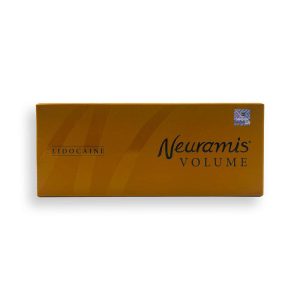
Neuramis, developed in Korea, is known for its smooth texture and natural finish, making it especially effective for lip enhancement and treating medium-depth wrinkles. It utilizes advanced cross-linking technology to ensure long-lasting results and multiple formulations for different areas of the face.
Juvederm, a global leader in dermal fillers, offers various formulations tailored for specific facial areas, such as lips, wrinkles, and contours. Its smooth consistency and Lidocaine inclusion in most products help reduce discomfort during treatment.
Practitioners looking to buy Neuramis online should review the specific formulation, treatment indication, storage requirements, and supplier documentation before purchasing. Because the Juvederm range includes products designed for different facial areas and injection depths, selecting the appropriate formulation is essential for safe and effective professional use.
Comparison of Neuramis vs Juvederm
When comparing Neuramis and Juvederm fillers, each product offers distinct advantages, making them suited for different aesthetic goals.

Neuramis uses advanced cross-linking technology that enhances its durability, making it ideal for more targeted applications such as lip enhancement and treating moderate wrinkles. Its compact gel formulation provides precision, allowing for more controlled volume placement. While generally well-tolerated, like any injectable, Neuramis side effects can occur, including mild swelling, redness, or bruising, which typically resolve on their own.
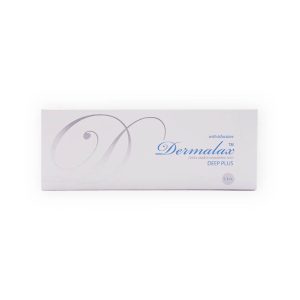
Juvederm is known for its softer, more malleable consistency, which makes it versatile for various treatment areas. Juvederm also includes Lidocaine, a local anesthetic, in its formulations to enhance patient comfort during injections. This filler is effective for a broader range of concerns, from lip augmentation to wrinkle reduction and facial contouring, making it suitable for larger areas such as the cheeks and nasolabial folds [2].
- Formulation: Neuramis has a compact gel ideal for precise volume placement, especially in smaller areas like the lips. With its softer consistency, Juvederm is well-suited for larger areas and more general facial rejuvenation.
- Treatment Areas: Neuramis is ideal for lip enhancement and moderate wrinkles, while Juvederm can treat a wide range of areas, including nasolabial folds, cheeks, and jawline.
- Longevity: Neuramis provides results that typically last 6-9 months, while Juvederm can last 12 months or longer, depending on the formulation and treatment area.
- Patient Experience: Juvederm’s lidocaine formulation improves comfort during the procedure, while Neuramis provides natural, long-lasting results with minimal discomfort.
Choosing the Right Filler for You: Neuramis vs Juvederm
When choosing the right dermal filler for your needs, there are several important factors to consider to ensure the best results:

- Treatment Area: Different fillers target specific areas of the face. Some fillers work better for delicate areas, while others are more effective for larger areas.
- Desired Results: Consider the outcome you want to achieve. Some fillers provide subtle, natural enhancements, while others offer more dramatic volume restoration.
- Longevity: Fillers vary in how long their effects last. Some provide temporary results lasting 6-9 months, while others can last up to 12 months or more, depending on the type of filler and the treatment area. Consider how long the results will last before committing to maintenance sessions.
- Patient Comfort: Some fillers contain lidocaine or other numbing agents to enhance comfort during the procedure. If you’re sensitive to pain, choosing a filler with an anesthetic can help reduce discomfort during injections.
- Personal Goals: Your unique skin type, concerns, and aesthetic goals will guide your choice. Whether targeting fine lines, wrinkle reduction, or volume loss, fillers can be customized to suit your needs, making a professional consultation essential.
Research Update: Matching Filler Properties to Treatment Areas
A 2026 clinical review examined how the material properties of injectable fillers influence product selection, injection technique, and treatment outcomes. The authors emphasized that characteristics such as elasticity, cohesivity, degradation behavior, and viscosity should be matched with the biomechanical demands of the specific facial area being treated. For practitioners comparing Neuramis and Juvederm, this supports selecting a formulation based on the intended treatment area and desired tissue behavior rather than relying on brand name alone [3].
Conclusion
Neuramis and Juvederm each offer unique benefits for facial rejuvenation. Neuramis is ideal for achieving natural-looking lips and a smooth finish, while Juvederm offers longer-lasting results and includes lidocaine for enhanced comfort during treatment.
To choose the best option for your specific needs and goals, it’s essential to consult a qualified professional who can help guide you toward the treatment that best suits your desired aesthetic outcome.
FAQs
1. What is the difference between Neuramis and Juvederm?
Neuramis uses cross-linked hyaluronic acid for precision in areas like the lips and moderate wrinkles, while Juvederm is more versatile. Its softer consistency is ideal for larger treatment areas like the cheeks and nasolabial folds.
2. Are there any side effects with Neuramis and Juvederm?
Common side effects include swelling, redness, and bruising at the injection sites, but these are generally mild and resolve within a few days. Neuramis side effects are typically temporary and minimal.
3. How long do the results from Neuramis and Juvederm last?
Neuramis typically lasts 6-9 months, while Juvederm results can last up to 12 months or more, depending on the area and formulation used.
4. How do I know which filler is right for me?
The choice between Neuramis and Juvederm depends on factors like your desired results, the areas you want treated, and how long you want the results to last. Consulting a qualified professional is crucial to determine the best option based on your skin type and aesthetic goals.
Citations
[1] Rahim, A., et al. “Hyaluronic Acid: Comprehensive Review of a Multifunctional Biopolymer.” Future Journal of Pharmaceutical Sciences, vol. 10, no. 1, 2024. https://doi.org/10.1186/s43094-024-00636-y.
[2] “Hyaluronic Acid: Uses, Side Effects, and Risks.” Medical News Today, 19 Sept. 2019, https://www.medicalnewstoday.com/articles/326385.
[3] Shah, Hana, et al. “Clinical Translation of Injectable Facial Filler Material Properties: Anatomy-Informed Selection, Technique, and Outcome—Part B.” The Journal of Craniofacial Surgery, 11 May 2026. https://doi.org/10.1097/SCS.0000000000012877.
Sourcing and accuracy for this article follow our Editorial policy: claims are cross-checked against clinical literature, regulatory filings, and manufacturer specifications before anything is published