


SHARE THIS ARTICLE
Neuramis
Neuramis FDA Approval Status
Nov 28, 2024
The FDA has stringent regulations for the marketing and labeling of dermal fillers to ensure their safety and effectiveness. These regulations require manufacturers to provide comprehensive data from clinical studies demonstrating the product’s benefits and potential risks.
Among the popular options worldwide, Neuramis fillers stand out for their advanced hyaluronic acid formulation and impressive results. However, gaining FDA approval in the United States involves rigorous evaluation, leaving many to wonder about the current status of Neuramis in the U.S. market.
In this article, we’ll examine the FDA’s approval process, examine Neuramis fillers’ unique qualities, and discuss what their approval status means for practitioners and patients.
Key Takeaways
- Neuramis is a popular hyaluronic acid-based dermal filler, known for its advanced cross-linking technology, long-lasting effects, and natural finish.
- Neuramis is widely available internationally but is still awaiting FDA approval for use in the United States.
- Clinical studies have demonstrated Neuramis’s safety and effectiveness, which are comparable to established fillers like Restylane.
- FDA-approved alternatives in the U.S. include Juvederm, Restylane, Belotero, and Sculptra, which can provide similar aesthetic results.
About: Trusted by over 2,000+ global clients since 2014, Direct Doctor Supply has become a leading supplier of cosmetic, skincare, and orthopedic products for medical and aesthetic professionals. Direct Doctor Supply offers a wide range of authentic brand-name products at competitive wholesale prices, sourced from around the world.
What is Neuramis?
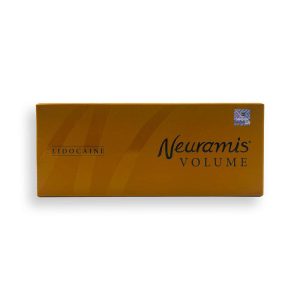
Neuramis fillers are hyaluronic acid-based dermal fillers developed by Medytox, a leading biopharmaceutical company. Known for their innovative cross-linking technology, Neuramis fillers offer long-lasting results with a smooth, natural finish. These fillers are designed to restore volume, reduce wrinkles, and enhance facial contours, making them a versatile choice for a variety of cosmetic procedures [1].

Aesthetic experts typically use Neuramis fillers to smooth fine lines and wrinkles, augment lips, contour the cheeks and jawline, and improve skin hydration and elasticity. Their flexibility in addressing diverse aesthetic concerns has made them a popular option among practitioners worldwide.
When compared with other dermal fillers such as Restylane or Juvederm, Neuramis is often considered a more affordable option while maintaining a high-quality formulation. Its dual cross-linking technology is designed to support filler stability and longevity while helping limit post-injection swelling.
Practitioners looking to order Neuramis wholesale should still review product authenticity, storage requirements, LOT information, and supplier documentation before purchasing.
Neuramis FDA Approval Status in the United States
Neuramis fillers, despite their global popularity, have not yet received FDA approval for use in the United States. While widely used in Europe, Asia, and the Middle East, their availability remains limited in the U.S. due to stringent regulatory requirements.

The FDA’s approval process involves rigorous evaluation of clinical trial data to ensure a product’s safety, efficacy, and quality. For Neuramis, comprehensive studies demonstrating its long-term safety and effectiveness must meet FDA standards before it can be legally marketed or distributed in the U.S. Currently, Neuramis fillers are undergoing clinical trials and additional evaluations necessary for obtaining approval.
There are several reasons for the delay in FDA approval. These include the time required to complete clinical trials, compile and submit detailed safety data, and address any regulatory queries from the FDA. Additionally, competition from established FDA-approved alternatives like Restylane and Juvederm may also play a role in the market dynamics and regulatory focus.
As for the potential timeline, the FDA approval process typically takes several years, depending on the product’s complexity and the data’s completeness. If the ongoing clinical trials for Neuramis show promising results and meet regulatory standards, it could receive FDA approval soon, opening doors for its use in the U.S. market.
Neuramis Safety and Efficacy
A Phase III clinical trial compared Neuramis Deep for lips to Restylane for treating nasolabial folds. The results showed that Neuramis Deep was just as effective as Restylane, with both treatments leading to significant improvements and no major adverse events reported. These findings reinforce Neuramis Deep as a safe and reliable option for facial augmentation.
Building on these positive outcomes, another study evaluated the efficacy and safety of Neuramis Deep (with lidocaine) for mid-face volume augmentation. This trial demonstrated notable improvements in facial volume and overall aesthetic appearance with Neuramis Deep and revealed minimal adverse effects.
These studies highlight Neuramis’ ability to deliver natural-looking results with a high safety profile, solidifying its reputation as a trusted choice for non-surgical facial rejuvenation.
Research Update: Hyaluronic Acid Fillers for Midface Augmentation
A 2025 systematic review and meta-analysis evaluated the safety and efficacy of hyaluronic acid fillers for midface augmentation. The review found that HA fillers generally produced high treatment-response and patient-satisfaction rates, while moderate-to-severe adverse events remained uncommon. [3] Although the analysis included multiple HA filler products rather than Neuramis alone, the findings support the broader clinical evidence for cross-linked hyaluronic acid fillers used in facial volume restoration and provide additional context for evaluating the safety and efficacy of Neuramis formulations [2].
Alternatives to Neuramis in the United States
Several FDA-approved dermal fillers are available in the United States for individuals seeking results similar to those offered by Neuramis [3].

- Juvederm
- Restylane
- Radiesse
- Belotero
- Sculptra
These fillers, like Neuramis, are hyaluronic acid-based and widely used to address fine lines, wrinkles, and volume loss. They come in various formulations tailored to specific aesthetic concerns, such as lip augmentation, cheek contouring, or smoothing nasolabial folds.
Discussing your goals with a qualified healthcare professional is essential when considering alternatives. While Restylane and Juvederm offer comparable benefits, their formulations and effects can differ slightly in terms of longevity, firmness, and the likelihood of swelling or bruising post-injection. A professional can help determine which product aligns best with your desired results, skin type, and budget.
Patients specifically interested in Neuramis-like results should share this preference with their provider. By understanding Neuramis’s unique qualities, such as its smooth finish and dual cross-linking technology, practitioners can recommend an alternative that closely matches these features.
Conclusion
Neuramis fillers are globally recognized for their quality and effectiveness, but their availability in the U.S. is limited due to the pending FDA approval process. While awaiting approval, U.S. patients can explore FDA-approved alternatives like Juvederm and Restylane to achieve similar results.
Consulting a qualified healthcare provider ensures safe, personalized recommendations and optimal outcomes.
FAQs
1. What should I consider when choosing a dermal filler?
Consider factors like your treatment goals, skin type, and budget. Consulting with a qualified healthcare professional will help determine the best product for your needs.
2. Why isn’t Neuramis approved in the United States yet?
Neuramis has not completed the FDA’s rigorous approval process, which requires comprehensive clinical trials and detailed safety and efficacy data.
3. How long does Neuramis last compared to alternatives like Juvederm?
Neuramis provides long-lasting results comparable to Juvederm and Restylane, typically lasting 6–12 months, depending on the treated area and individual factors.
4. Are there safe alternatives to Neuramis in the U.S.?
Yes, several FDA-approved fillers like Juvederm, Restylane, and Belotero offer similar benefits and are widely used in the U.S.
Citations
[1] Center for Devices and Radiological Health. “Dermal Fillers (Soft Tissue Fillers).” U.S. Food and Drug Administration, https://www.fda.gov/medical-devices/aesthetic-cosmetic-devices/dermal-fillers-soft-tissue-fillers.
[2] Safia, Alaa, et al. “Efficacy and Safety of Hyaluronic Acid Fillers for Midface Augmentation: A Systematic Review and Meta-Analysis.” Medicina, vol. 61, no. 10, 2025, article 1823. https://doi.org/10.3390/medicina61101823.
[3] Center for Devices and Radiological Health. “FDA-Approved Dermal Fillers.” U.S. Food and Drug Administration, https://www.fda.gov/medical-devices/aesthetic-cosmetic-devices/fda-approved-dermal-fillers.
Sourcing and accuracy for this article follow our Editorial policy: claims are cross-checked against clinical literature, regulatory filings, and manufacturer specifications before anything is published