


SHARE THIS ARTICLE
Neuramis
Neuramis Side Effects – The Complete List
Nov 29, 2024
Dermal fillers have become popular for those wanting to rejuvenate their appearance. While they offer benefits like smoothing wrinkles and restoring volume, they also have potential risks such as swelling, bruising, and allergic reactions. It’s important to weigh these pros and cons before deciding on the treatment.
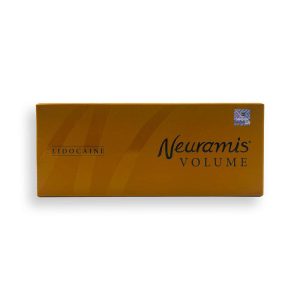
Neuramis is a hyaluronic acid-based dermal filler developed by Medytox, designed to restore facial volume and smooth wrinkles. Its unique cross-linking technology aims to enhance durability and provide natural-looking results.
In this article, we will provide a comprehensive overview of the potential Neuramis side effects, helping you make an informed decision about its use.
Key Takeaways
- Neuramis provides visible improvements right after treatment, with smoother skin and restored volume that continue to settle as minor swelling subsides.
- Mild reactions such as redness, swelling, bruising, and tenderness are normal when getting Neuramis fillers. They typically resolve within a few days.
- Rare complications, such as infection, lumps, or allergic reactions, may occur but can be mitigated with proper care and technique.
- Choosing an experienced injector and having a thorough consultation about medical history and treatment goals significantly reduce risks.
About: Trusted by over 2,000+ global clients since 2014, Direct Doctor Supply has become a leading supplier of cosmetic, skincare, and orthopedic products for medical and aesthetic professionals. Direct Doctor Supply offers a wide range of authentic brand-name products at competitive wholesale prices, sourced from around the world.
Common Side Effects of Neuramis Fillers
After receiving Neuramis fillers, it is expected to experience mild side effects such as the following:
- Redness
- Swelling
- Bruising
- Tenderness at the injection site
These reactions are typical for hyaluronic acid-based fillers and usually resolve independently within a few days. While these effects may cause temporary discomfort, most patients find them manageable and short-lived.

While not yet FDA-approved in the United States, Neuramis fillers have undergone rigorous safety testing. These side effects are well-documented and understood by healthcare professionals. Practitioners closely monitor patients post-treatment to ensure any swelling or discomfort improves quickly.
Practitioners looking to buy Neuramis fillers should also review the product’s regulatory status, formulation, storage requirements, and supplier documentation before purchasing. These checks help ensure that the product selected is appropriate for professional use and supported by clear traceability information.
Less Common Neuramis Side Effects
Some people might experience rare side effects, such as infection, lumps, or allergic reactions, which can increase concerns about Neuramis fillers [2].

- Infection: May occur if bacteria enter the injection site, leading to symptoms like redness, pain, or fever. While this is uncommon, maintaining proper hygiene and using sterile techniques during the procedure significantly reduces the risk.
- Lumps: May occasionally develop under the skin post-treatment. These are usually harmless and tend to resolve over time. Gentle massage can help, but a healthcare professional should assess persistent lumps.
- Allergic Reactions: These may include redness, itching, or swelling at the injection site. To minimize this risk, doctors carefully review patient medical histories and conduct thorough consultations before treatment.
Minimizing Risks of Neuramis Side Effects
Minimizing the risk of side effects from Neuramis fillers starts with choosing a qualified and experienced injector. Proper injection techniques, such as using the correct depth and angle for the injection, aspirating to avoid intravascular injection, and injecting small amounts gradually to monitor the patient’s response, help reduce complications like infections or lumps.

Patient selection is equally critical in preventing adverse reactions. During consultations, practitioners carefully review medical histories to identify allergies, skin conditions, or other factors that could increase the risk of complications. Clear communication about expectations and medical concerns ensures the treatment is safe and appropriate for each individual [3].
A consultation with a licensed professional is crucial for minimizing risks and ensuring safe, effective treatment with Neuramis fillers. During this process, the practitioner evaluates your medical history, skin type, and treatment goals to determine the most suitable approach.
They can also help you choose between dermal fillers and compare treatments like Neuramis vs Restylane based on your unique needs and preferences. A thorough consultation builds trust and sets the foundation for a safe and successful cosmetic enhancement.
Research Update: Aspiration Before Hyaluronic Acid Filler Injection
A 2025 multicenter observational study examined 5,106 pre-injection aspirations performed in 1,007 patients receiving facial hyaluronic acid fillers across 14 aesthetic and dermatology practices in nine countries. Positive aspiration occurred in 35 cases, or 0.69% of procedures, showing that intravascular needle placement can occur even during routine filler treatment. For Neuramis procedures, these findings reinforce the importance of careful anatomical assessment, controlled injection technique, and multiple safety precautions rather than relying on aspiration alone to reduce the risk of vascular complications [1].
Conclusion
Neuramis fillers are a popular and effective option for non-surgical cosmetic treatments, offering a safe way to reduce wrinkles and restore facial volume. While common side effects like redness and swelling are generally mild, rare complications such as infection or lumps highlight the importance of professional care.
Patients can achieve beautiful, natural-looking results by consulting a licensed injector and carefully evaluating individual needs while minimizing risks.
FAQs
1. What areas of the face can Neuramis treat?
Neuramis effectively targets areas like nasolabial folds, marionette lines, cheeks, lips, and the jawline. It’s also used to restore volume in areas affected by aging.
2. How does Neuramis compare to other fillers like Restylane?
Both are hyaluronic acid-based fillers, but Neuramis’s firmer gel makes it better suited for deeper wrinkles and volume restoration, while Restylane offers more options for delicate areas.
3. How soon will I see results from Neuramis?
Results are immediate after the procedure, with improved skin smoothness and volume. Any swelling or redness typically subsides within a few days.
4. Who is an ideal candidate for Neuramis?
Healthy adults looking to reduce wrinkles, restore facial volume, or enhance features like the lips and cheeks are ideal candidates. A consultation with a professional is necessary to determine individual suitability.
Citations
[1] Nikolis, Andreas, et al. “Rates of Positive Aspiration Prior to Facial Hyaluronic Acid Filler Injections: Outcomes of a Multicenter, Cross-Sectional Study.” Aesthetic Surgery Journal, vol. 45, no. 12, 2025, pp. 1285–1290. https://doi.org/10.1093/asj/sjaf150.
[2] Trovato, F., S. Ceccarelli, S. Michelini, et al. “Advancements in Regenerative Medicine for Aesthetic Dermatology: A Comprehensive Review and Future Trends.” Cosmetics, vol. 11, no. 2, 2024, article 49. https://doi.org/10.3390/cosmetics11020049.
[3] Stefura, T., A. Kacprzyk, J. Droś, et al. “Tissue Fillers for the Nasolabial Fold Area: A Systematic Review and Meta-Analysis of Randomized Clinical Trials.” Aesthetic Plastic Surgery, vol. 45, no. 5, 2021, pp. 2300–2316. https://doi.org/10.1007/s00266-021-02439-5.
Sourcing and accuracy for this article follow our Editorial policy: claims are cross-checked against clinical literature, regulatory filings, and manufacturer specifications before anything is published