


SHARE THIS ARTICLE
PDO threads
PDO Threads Before and After Jowls – Effective Jawline Lift
Jan 1, 2025
Did you know that a well-defined jawline enhances facial harmony and is often associated with youth and beauty? For individuals dealing with sagging jowls, achieving a more sculpted jawline no longer requires invasive surgery. Non-surgical contouring treatments, such as PDO threads, have become a popular and effective solution.
PDO threads, made from polydioxanone, are placed under the skin to lift and tighten sagging areas, improving jawline definition and reducing the appearance of jowls. This minimally invasive treatment offers subtle yet noticeable results with little downtime, making it a sought-after option for facial rejuvenation.
In this article, we will explore the effectiveness of PDO threads for jawline enhancement, examine PDO threads before and after jowls results, and discuss how this treatment addresses concerns related to lower-face sagging.
Key Takeaways
- PDO threads provide a non-surgical solution for lifting sagging jowls and enhancing jawline definition.
- These threads reposition sagging skin and stimulate collagen production, resulting in firmer, more youthful skin.
- Most patients experience immediate lifting effects, with continued improvements over the following weeks as collagen production increases.
- The results typically last 12 to 18 months, with minimal downtime and low risk of complications when performed by trained professionals.
- Successful outcomes depend on realistic expectations, personalized treatment plans, and adherence to proper post-procedure care.
About: Trusted by over 2,000+ global clients since 2014, Direct Doctor Supply has become a leading supplier of cosmetic, skincare, and orthopedic products for medical and aesthetic professionals. Direct Doctor Supply offers a wide range of authentic brand-name products at competitive wholesale prices, sourced from around the world.
Understanding PDO Threads for Jowls
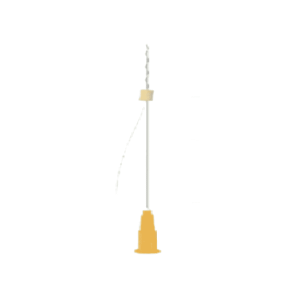
PDO threads provide an effective solution for lifting sagging jowls and redefining the jawline. Polydioxanone threads are inserted beneath the skin using fine needles during a PDO threads procedure [1]. These threads act as a supportive scaffold, gently lifting and repositioning sagging skin in the lower face to achieve a more defined and youthful contour.

Beyond the immediate lifting effect, PDO threads stimulate collagen production in the treated areas. As the threads gradually dissolve over time, the body’s natural healing response generates new collagen, which tightens the skin and improves its elasticity. This dual-action process not only restores firmness to the jawline but also enhances skin texture and resilience, delivering long-lasting improvements in the lower face.
This minimally invasive approach is ideal for those seeking a safe and effective alternative to surgery for treating sagging jowls. It can also be applied to candidates not qualifying for standard jawline filler techniques.
PDO Threads Before and After Jowls Treatment
Before-and-after photographs of PDO thread treatments for jowls can help illustrate changes in jawline definition, skin contour, and facial symmetry. When reviewing PDO threads before and after jowls images, clinicians and patients should consider the timing of the photographs, lighting, facial positioning, and whether other treatments were performed alongside the thread lift. Individual photographs demonstrate a particular outcome rather than establish the results every patient can expect.

Image Courtesy of Bekheit Care Clinic
Six months after a PDO thread lift for the mid and lower face, the patient in this before-and-after comparison shows lasting improvements in facial lifting and rejuvenation, with sustained results from collagen stimulation.

Image Courtesy of Charmaine Harding Permanent Makeup
In this patient’s case, they underwent a PDO thread lift for the neck and jowl area. Their results will continue to improve over the next 6 weeks, enhancing collagen production while lifting and tightening the skin.
What to Expect with PDO Threads Before and After Jowls
Most patients require one to three sessions to achieve optimal results when undergoing a PDO threads procedure for jowls. The exact number of sessions can vary based on individual needs and the extent of sagging.
Post-procedure, some immediate lifting and tightening effects are usually visible. However, the most significant improvements in the jawline typically occur over the next few weeks to months as the threads stimulate collagen production and the skin gradually becomes firmer.
Patients seeking PDO threads before and after jowls results should understand that photographs taken shortly after treatment may not reflect the eventual outcome. Results can diminish over time, and their duration depends on individual factors, treatment technique, and the degree of tissue laxity. Although improvements lasting 12 months or longer are sometimes reported, a 12-to-18-month duration should not be presented as a guaranteed outcome. Follow-up assessments help determine whether further treatment is appropriate.
Managing Patient Expectations and Optimizing Results
To ensure successful outcomes from a PDO threads procedure for jowls, medical professionals must effectively manage patient expectations. Clear and open communication is key. Medical professionals should educate patients about realistic outcomes, the gradual nature of improvements, and the potential need for multiple sessions to achieve the desired results.
To avoid complications and optimize results, it’s important to thoroughly assess the patient’s medical history and skin condition before the procedure. Selecting the appropriate type and placement of threads is critical. Professionals should also follow strict aseptic techniques to minimize the risk of infection and provide detailed aftercare instructions to patients.
Here are some tips for medical professionals to ensure successful PDO thread treatments for jowls:
- Set Realistic Expectations: Explain the procedure, expected outcomes, and timeline clearly to the patient.
- Use High-Quality Threads: Ensure the use of reliable, high-quality PDO threads.
- Personalized Approach: Customize the treatment plan based on the patient’s unique facial anatomy and skin condition.
- Post-Procedure Care: Advise patients on proper aftercare, including avoiding strenuous activities and following specific skin care routines.
- Follow-Up: Schedule regular follow-up appointments to monitor progress and address any concerns promptly.
2026 Study Update
Before-and-after photos can show the immediate effect of a thread lift, but a randomized clinical trial published in Aesthetic Surgery Journal Open Forum suggests that early changes may not last as long as patients expect. The study followed 22 patients who received either three or six PDO threads per side of the face, using three-dimensional imaging to assess volume and tissue displacement at baseline, 20 days, and 60 days [2].
Both groups showed changes after treatment, but using twice as many threads did not produce significantly better lifting outcomes or higher patient satisfaction. By the 60-day assessment, the initial changes in tissue position and facial volume had diminished in both groups. Pain was the main reported adverse effect and was temporary.
For people comparing PDO threads before and after treatment for jowls, these findings underline why early photographs may not reflect the longer-term result and why adding more threads does not necessarily lead to a stronger or more durable lift. The trial was small and followed patients for only about two months, so longer studies are needed to establish how results develop over time.
Conclusion
PDO threads are an innovative and minimally invasive option for addressing jowls and enhancing the jawline. By lifting sagging skin and stimulating collagen production, they provide both immediate and long-term improvements in facial contours and skin firmness. Patients benefit from a safe and effective alternative to surgery, with little downtime and natural-looking results.
Through careful planning, skilled techniques, and personalized treatment approaches, PDO threads can deliver significant transformations, helping patients confidently achieve a youthful and rejuvenated appearance.
FAQs
1. What are PDO threads made of?
PDO threads are made of polydioxanone, a biocompatible material that dissolves over time and stimulates collagen production in the skin.
2. How long does a PDO thread treatment take?
The procedure typically takes 30 to 60 minutes, depending on the treatment area and the number of threads used.
3. How long do the results of PDO threads last?
The results usually last 12 to 18 months. The longevity can vary depending on factors like age, lifestyle, and the area in which the patient is treated.
4. Who is an ideal candidate for PDO threads?
Individuals with mild to moderate skin sagging or jowls seeking a non-surgical solution for facial rejuvenation are ideal candidates. A consultation with a qualified practitioner can help determine suitability.
Citations
[1] Ray, J. A., et al. “Polydioxanone (PDS), a Novel Monofilament Synthetic Absorbable Suture.” Surgery, Gynecology & Obstetrics, vol. 153, no. 4, Oct. 1981, pp. 497–507, pubmed.ncbi.nlm.nih.gov/6792722/.
[2] Germani, Marcelo, et al. “Is More Always Better? A Randomized Comparative Clinical Trial About the Impact of Polydioxanone Threads Quantity for Facial Lifting.” Aesthetic Surgery Journal Open Forum, vol. 7, Jan. 2025, p. ojaf002. https://doi.org/10.1093/asjof/ojaf002.
[3] Contreras, Candelaria, et al. “Using PDO Threads: A Scarcely Studied Rejuvenation Technique. Case Report and Systematic Review.” Journal of Cosmetic Dermatology, vol. 22, no. 8, Apr. 2023, pp. 2158–65. https://doi.org/10.1111/jocd.15709.
[4] Edgar, Jolene. “Thread Lift.” RealSelf.com, 20 Apr. 2023, www.realself.com/nonsurgical/thread-lift.
[5] Cleveland Clinic Medical Professional. “Jawline Filler.” Cleveland Clinic, 28 July 2025, my.clevelandclinic.org/health/treatments/23368-jawline-filler.\
Sourcing and accuracy for this article follow our Editorial policy: claims are cross-checked against clinical literature, regulatory filings, and manufacturer specifications before anything is published