


SHARE THIS ARTICLE
PDO threads
PDO Threads Before and After Eyes – Lifting and Rejuvenating
Jan 3, 2025
Fine lines around the eyes, commonly known as crow’s feet, often begin to appear in the mid-20s due to repetitive facial movements and prolonged UV exposure. These wrinkles can subtly age your appearance, sometimes making you look older than you feel.
PDO (Polydioxanone) threads have emerged as a popular non-surgical solution for addressing crow’s feet and other fine lines around the eyes. These dissolvable sutures work by stimulating collagen production and providing a gentle lift, helping to achieve a more youthful and refreshed look without the need for surgery.
In this article, we’ll examine the benefits of PDO threads for the eye area, explore PDO threads before and after treatment, and discuss how this minimally invasive approach may contribute to facial rejuvenation. Clinics that purchase PDO Threads online through Direct Doctor Supply can explore different thread configurations designed for applications such as tissue support, lifting, and facial contouring.
Key Takeaways
- PDO threads offer a minimally invasive solution for rejuvenating the delicate eye area, effectively targeting crow’s feet and sagging skin.
- These threads work by lifting and tightening the skin while stimulating collagen production, promoting long-lasting improvements in elasticity and firmness.
- Results are both immediate and progressive, with full benefits visible within three to six months and lasting up to two years.
- Tailored injection techniques and customized treatment plans are essential for achieving natural-looking results and minimizing risks.
- Patients report high satisfaction with PDO thread treatments for the eyes, valuing the youthful and refreshed appearance achieved without surgery.
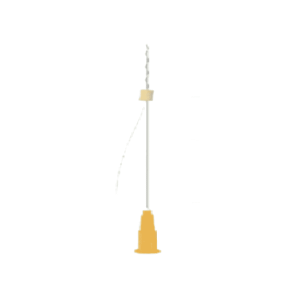
About: Trusted by over 2,000+ global clients since 2014, Direct Doctor Supply has become a leading supplier of cosmetic, skincare, and orthopedic products for medical and aesthetic professionals. Direct Doctor Supply offers a wide range of authentic brand-name products at competitive wholesale prices, sourced from around the world.
Understanding PDO Threads for Eye Rejuvenation
PDO (Polydioxanone) threads are dissolvable sutures used in non-surgical cosmetic treatments to lift and tighten the skin while stimulating collagen production. Made from biocompatible material, these threads are inserted beneath the skin using fine needles, where they act as a scaffold to support sagging tissue and improve skin structure.

For the eye area, PDO threads target fine lines, wrinkles, and sagging skin around the eyes. By stimulating collagen production, they enhance skin elasticity and promote natural rejuvenation. The threads also create a subtle lifting effect, reducing the appearance of crow’s feet and hollowing, resulting in a more refreshed and youthful look.
These findings help put PDO threads before and after photographs into context. Although photographs can illustrate visible changes in contour or skin texture, they do not by themselves establish how much improvement was caused by the threads or how long the result will persist. Outcomes can vary according to thread design, placement, anatomy, skin quality, and whether other treatments are performed at the same time.
PDO Threads Before and After Eyes Treatment
The patient underwent a PDO thread lift combined with dermal filler in the cheeks and under-eye area. The results were impressive, and the patient was thrilled with the refreshed, youthful appearance.

Image Courtesy of E J Clinic
The patient underwent a PDO thread lift to lift the upper eyelids and raise eyebrow tails, creating an almond shape. The results were immediate and lasted 6-12 months, with some threads lasting up to 2 years.

Image Courtesy of K Beauty Spa & Academy
The appearance of PDO threads before and after treatment can change over time as initial swelling and bruising resolve and tissue remodeling develops. In the periorbital study, assessments were performed at 16 weeks rather than immediately after treatment, demonstrating why longer-term follow-up is important when evaluating results.
Tailoring PDO Thread Treatments for the Eye Area
PDO thread treatments for the eye area require precision and customization to achieve natural-looking results. The injection technique is critical, as threads must be placed at the correct depth and angle to effectively lift and rejuvenate the delicate skin around the eyes. Fine, smooth threads designed for the eye area ensure minimal trauma and optimal outcomes.
While PDO thread treatments are generally safe, practitioners must know potential side effects and risks. These include swelling, bruising, or, in rare cases, complications like thread visibility or asymmetry. To avoid outcomes often highlighted in discussions about PDO threads gone wrong, practitioners should undergo specialized training and adhere to strict safety protocols.
Customization is key to addressing specific concerns. Patients with prominent crow’s feet may benefit from smooth threads to target fine lines, while those with mild sagging may require barbed threads for additional lift. A tailored approach ensures that treatments align with individual anatomy and aesthetic goals, resulting in rejuvenated and harmonious results.
2026 Study Update
Recent research provides additional context for interpreting PDO threads before and after outcomes. Researchers reviewed 111,948 facial thread-lifting procedures performed across more than 100 clinics in Japan between 2020 and 2024, finding that procedure volume increased substantially while the median patient age rose from 34 to 42 years. PDO threads were used alone in 36.7% of procedures and alongside polycaprolactone (PCL) threads in another 39.2%, reflecting the growing use of combined approaches rather than a single standardized technique [3].
The researchers also noted that more than 60% of patients received additional aesthetic treatments such as fillers or botulinum toxin. These findings are relevant when looking at PDO threads before and after treatment because visible results can depend on thread material, placement, facial anatomy, and whether other procedures are performed at the same time.
Notably, the study was retrospective and did not include standardized patient satisfaction scores or objective before-and-after measurements, so it cannot establish the magnitude or durability of the aesthetic changes.
Conclusion
PDO threads can offer a minimally invasive approach to selected concerns involving the eye area, including mild skin laxity and periorbital fine lines. Their effects may include mechanical tissue support and changes associated with local tissue remodeling, but outcomes depend heavily on thread type, placement, anatomy, and patient characteristics. Current evidence supports potential improvement while also underscoring the limitations of existing long-term data.
When reviewing PDO threads before and after images, it is important to consider the timing of the photographs, lighting, facial expression, concurrent treatments, and the patient’s baseline anatomy. Treatment should be performed by a qualified practitioner with appropriate knowledge of periorbital anatomy, patient selection, and complication management.
FAQs
1. What are PDO threads?
PDO threads are biodegradable sutures made from polydioxanone, used to lift and tighten skin for facial rejuvenation.
2. How do PDO threads work?
PDO threads stimulate collagen production in the skin, tightening and lifting the treated area and reducing wrinkles and sagging.
3. How long does a PDO thread treatment take?
The procedure typically lasts 30 to 60 minutes, depending on the treated area.
4. How soon will I see the results?
You can see initial results within a few days, with full effects visible after 3 to 6 months as collagen builds.
Citations
[1] Arora, Sandeep, and Gulhima Arora. “Periorbital Rejuvenation: A Study on the Use of Dermal Threads as Monotherapy, With a Review of Literature.” Journal of Cutaneous and Aesthetic Surgery, vol. 15, no. 1, Jan. 2022, p. 48. https://doi.org/10.4103/jcas.jcas_221_20.
[2] Niu, Zehao, et al. “A Meta-Analysis and Systematic Review of the Incidences of Complications Following Facial Thread-Lifting.” Aesthetic Plastic Surgery, vol. 45, no. 5, Apr. 2021, pp. 2148–58. https://doi.org/10.1007/s00266-021-02256-w.
[3] Tamura, Takahiko, et al. “Multicenter Review of More Than 110,000 Facial Thread Lifting Cases From a Cosmetic Surgery Group.” Plastic & Reconstructive Surgery Global Open, vol. 13, no. 12, Dec. 2025, p. e7335. https://doi.org/10.1097/gox.0000000000007335.
Sourcing and accuracy for this article follow our Editorial policy: claims are cross-checked against clinical literature, regulatory filings, and manufacturer specifications before anything is published