

SHARE THIS ARTICLE
PDO threads
PDO Threads Gone Wrong – Understanding the Risks
Jan 2, 2025
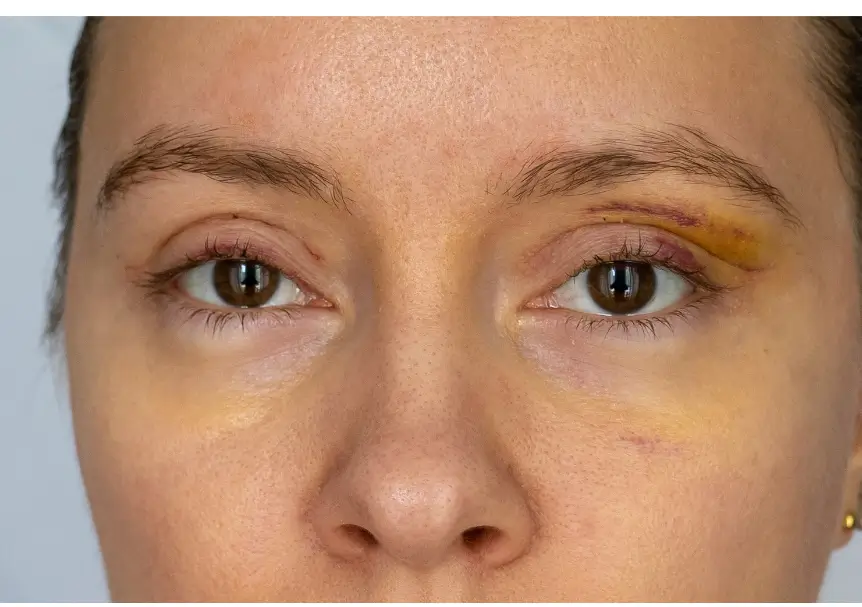
Minimally invasive cosmetic procedures, such as thread lifts, have gained popularity due to their reduced recovery times and lower risk profiles compared to traditional surgeries. However, complications can still occur, including infection, thread extrusion, and prolonged pain.
PDO (polydioxanone) threads are absorbable sutures used in these procedures to provide mechanical support and reposition selected areas of lax skin. While many patients experience satisfactory outcomes, complications can occur because of treatment technique, thread characteristics, patient anatomy, or individual risk factors. Understanding what can contribute to PDO threads gone wrong is therefore important when evaluating candidates and planning treatment.
This article will explore the potential risks associated with PDO thread treatments, common complications, and essential considerations for ensuring safe and effective results. Medical professionals looking to order PDO Threads online can review the catalog for absorbable thread products and consider their characteristics when planning appropriate aesthetic procedures.
Key Takeaways
- PDO thread lifting is a popular, minimally invasive treatment for sagging skin and wrinkles, but it is not without risks.
- Potential PDO threads gone wrong complications include thread visibility, uneven results, infection, and skin dimpling, often caused by improper technique or incorrect thread placement.
- Choosing a skilled practitioner and using the appropriate type of threads for the treatment area significantly minimizes these risks.
- Managing patient expectations through clear communication ensures satisfaction with the subtle and natural-looking results PDO threads offer.
- Proper aftercare and patient evaluation further contribute to safe procedures and optimal outcomes.
About: Trusted by over 2,000+ global clients since 2014, Direct Doctor Supply has become a leading supplier of cosmetic, skincare, and orthopedic products for medical and aesthetic professionals. Direct Doctor Supply offers a wide range of authentic brand-name products at competitive wholesale prices, sourced from around the world.
Potential Complications of PDO Thread Treatments
PDO thread lifting is a popular, non-invasive treatment with numerous benefits, but it’s important to be aware of potential complications.

- Thread Visibility: If threads are placed too close to the skin’s surface, they may become visible, particularly in thin-skinned areas like the lips. Using the appropriate thread type and ensuring proper depth during insertion can prevent this issue.
- Uneven Results: Asymmetry can occur if threads are not evenly placed. A skilled practitioner customizes the treatment plan to achieve balance and natural-looking results.
- Infection: Although rare, infections can develop where threads are inserted. Symptoms like redness, swelling, or fever require prompt medical attention to prevent further complications.
- Skin Dimpling: This is more common in patients over 50 due to reduced skin elasticity [2]. Proper thread selection and precise placement help ensure smooth and even skin and avoid PDO threads gone wrong experiences.
Causes of PDO Threads Gone Wrong Situations
While PDO thread lifting can be performed safely, complications may arise from a combination of procedural and patient-specific factors. Research increasingly suggests that the causes of PDO threads gone wrong are more complex than simply attributing an unfavorable result to poor technique.

- Improper Technique: A practitioner’s lack of experience or training is one of the leading causes of complications. Techniques such as inserting threads at the wrong depth or failing to follow the face’s natural contours can result in thread visibility, uneven results, or even skin dimpling. Precision and expertise are crucial to achieving smooth, balanced outcomes and avoiding these issues.
- Incorrect Thread Placement: Improper anchoring can cause uneven lifting or failure to achieve the desired effect. Additionally, overloading the treatment area with too many threads or using the wrong type for a specific application, such as PDO threads for marionette lines or under-eye hollows, can lead to complications like asymmetry or poor integration with the skin.
- Patient-Specific Factors: Individual factors, such as age, skin thickness, and overall skin health, also play a role in determining the success of PDO thread treatments. Older patients with reduced skin elasticity are more prone to dimpling, while those with thin or sensitive skin may experience thread visibility. Pre-existing conditions, such as a history of infection or slow wound healing, can increase the risk of complications.
By understanding and addressing these causes, practitioners can tailor their approach to each patient, ensuring safer procedures and better outcomes. Proper training, patient evaluation, and using the appropriate PDO threads for the treatment area are essential to minimizing risks and achieving optimal results.
Avoiding PDO Threads Gone Wrong Complications
Preventing complications from PDO thread treatments starts with proper training for medical professionals. Practitioners must master advanced techniques, including precise thread placement and depth, to minimize risks like thread visibility, uneven results, and skin dimpling. Continuous education and hands-on experience are essential to stay updated on the latest methods and best practices.

Choosing the right type of threads for each patient and treatment area is equally important. For instance, thicker threads may be better suited for lifting heavier skin in areas like the jawline, while finer threads work well for delicate regions such as the lips. Selecting threads that match the patient’s skin type and aesthetic goals ensures optimal results with minimal risk of complications.
Finally, managing patient expectations plays a critical role in avoiding dissatisfaction. Practitioners should clearly communicate the capabilities and limitations of PDO threads, emphasizing that results are subtle and natural rather than dramatic. Educating patients about the recovery process and potential side effects helps build trust and ensures they are well-prepared for their treatment journey.
2026 Study Update
A 2026 multicenter study offers a clearer picture of how complications can arise after PDO thread lifting. Researchers reviewed 2,000 randomly selected procedures performed at 105 clinics and found an overall complication rate of 12.4%, with skin retraction, asymmetry, and pain among the most frequently reported problems. The analysis also found that complication risk increased with the number of threads used and with older age; compared with younger patients, those aged 40–49, 50–59, and 60 or older had progressively higher odds of complications [3].
These findings add useful context to discussions of PDO threads gone wrong because they show that complications cannot be attributed solely to practitioner technique. The study’s risk model combined age and thread count to identify patients at greater risk, although its retrospective design means the observed associations should not be interpreted as definitive proof that these factors directly cause complications.
Conclusion
PDO threads are an effective option for lifting and rejuvenating the skin, offering natural-looking results with minimal downtime. However, as with any cosmetic procedure, they come with potential risks that require careful consideration. Factors such as practitioner expertise, proper thread selection, and tailored treatment plans are critical for minimizing complications and achieving optimal results.
By understanding the causes of complications and adhering to best practices, both patients and practitioners can ensure safe and successful PDO thread treatments. Through collaboration and attention to detail, PDO threads continue to be a reliable solution for non-surgical facial rejuvenation.
FAQs
1. Is PDO thread lift painful?
Patients may feel mild discomfort, but numbing cream or local anesthesia minimizes pain during the procedure.
2. How long does the PDO thread lift take?
The procedure typically takes 30 to 60 minutes, depending on the treated areas.
3. What areas can be treated with PDO threads?
Common areas treated include the face (cheeks, jawline, and neck), eyebrows, and nasolabial folds.
4. How soon will I see the results?
Results are typically visible immediately, with further improvements seen over the next few months as collagen is stimulated.
Citations
[1] American Society of Plastic Surgeons. “Thread Lift Risks and Safety.” American Society of Plastic Surgeons, www.plasticsurgery.org/cosmetic-procedures/thread-lift/safety.
[2] Wang, Cheng‐Kun. “Complications of Thread Lift About Skin Dimpling and Thread Extrusion.” Dermatologic Therapy, vol. 33, no. 4, Apr. 2020, p. e13446. https://doi.org/10.1111/dth.13446.
[3] Okumura, Kohki, et al. “Incidence and Predictors of Complications After Polydioxanone Thread Lift: A Multicenter Retrospective Cohort Study.” Aesthetic Plastic Surgery, vol. 50, no. 13, June 2026, pp. 4857–65. https://doi.org/10.1007/s00266-026-05963-4.
[4] Edgar, Jolene. “Thread Lift.” RealSelf.com, 20 Apr. 2023, www.realself.com/nonsurgical/thread-lift.
Sourcing and accuracy for this article follow our Editorial policy: claims are cross-checked against clinical literature, regulatory filings, and manufacturer specifications before anything is published