

SHARE THIS ARTICLE
PDO threads
PDO Threads Procedure – A Step-by-Step Guide
Jan 3, 2025
Thread lifts have gained popularity as a minimally invasive alternative to traditional facelifts. According to a study published in the Journal of Cosmetic Dermatology, PDO (Polydioxanone) threads are particularly effective in facial rejuvenation, stimulating collagen production and providing a lifting effect.
PDO threads are dissolvable sutures used in aesthetic medicine to lift and rejuvenate the skin. In addition to providing an immediate lifting effect, these threads stimulate collagen production over time, enhancing skin texture and elasticity. Their versatility allows them to be used on various facial and body areas, tailored to individual needs.
In this article, we will provide a step-by-step guide to the PDO threads procedure, detailing the process, what to expect, and considerations for achieving appropriate results. Aesthetic professionals who buy PDO Threads online can browse the Direct Doctor Supply catalog for thread options used in minimally invasive facial rejuvenation procedures.
Key Takeaways
- PDO threads are minimally invasive sutures used to lift and rejuvenate sagging skin.
- The procedure stimulates collagen production for long-lasting improvements in skin texture and elasticity.
- The step-by-step process includes consultation, preparation, thread insertion, and post-procedure care.
- Ideal candidates have mild to moderate skin laxity, while contraindications include active infections and autoimmune disorders.
- Aftercare involves maintaining cleanliness, managing swelling, and attending follow-up visits to monitor progress.
About: Trusted by over 2,000+ global clients since 2014, Direct Doctor Supply has become a leading supplier of cosmetic, skincare, and orthopedic products for medical and aesthetic professionals. Direct Doctor Supply offers a wide range of authentic brand-name products at competitive wholesale prices, sourced from around the world.
What are PDO Threads?
PDO (Polydioxanone) threads are a type of absorbable suture used in thread lift procedures to enhance skin firmness and contour. These threads are inserted into the skin to stimulate collagen production and provide a natural lifting effect, gradually dissolving over time.

There are several types of PDO threads, including mono threads (smooth threads that rejuvenate the skin), cog threads (barbed threads that lift sagging tissue), and screw threads (helix-shaped threads for volume and structure). Each type has specific applications based on the patient’s needs and desired outcomes.
Compared to other nonsurgical procedures like dermal fillers or Botox, PDO thread lifts offer a more structural solution. They provide mechanical support to the skin and promote long-term collagen growth, whereas fillers add volume, and Botox reduces muscle activity to smooth wrinkles.
Step-by-Step Process of PDO Threads Procedure
The PDO threads procedure begins with a detailed consultation, during which the practitioner evaluates the patient’s skin condition, aesthetic goals, and overall health. Then, a personalized treatment plan is created, determining the type and number of threads required for optimal results.

Before the PDO threads procedure, the administering practitioner thoroughly cleanses the treatment area to minimize the risk of infection. They may also apply a topical anesthetic or local numbing agent to ensure patient comfort during the process.
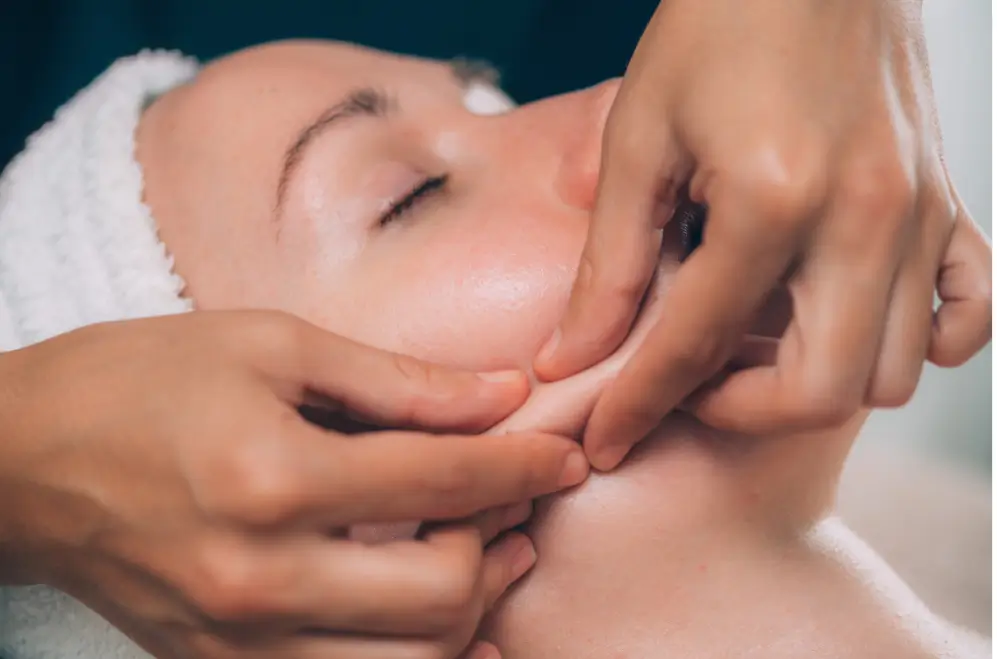
Using a fine needle or cannula, the PDO threads are carefully inserted into the targeted areas. The threads are placed at precise depths to lift sagging skin or improve texture. Once in place, the threads are gently adjusted to achieve the desired effect, and the needles are removed.
The entire procedure typically takes 30–60 minutes, depending on the treatment area, and offers immediate lifting effects with minimal discomfort.
Mechanism of Action and Expected Results of PDO Threads Procedure
PDO threads provide an immediate mechanical lift to sagging skin while stimulating collagen production. Once inserted beneath the skin, the threads anchor the tissue and create tension, offering an instant lifting effect. Over time, as the threads dissolve naturally, they trigger the body’s healing response, promoting collagen and elastin formation. This collagen boost enhances skin elasticity, firmness, and texture, delivering long-lasting rejuvenation.

Patients can expect to see noticeable improvements in skin firmness and texture. Specific applications like PDO threads before and after for eyes often show a reduction in under-eye bags and a more lifted appearance around the eye area. Results typically last about 12-18 months, depending on individual factors and the type of threads used.
Patient Selection, Contraindications, and Risks
Ideal candidates for the PDO threads procedure are individuals with mild to moderate skin laxity and healthy skin without significant sun damage or active infections. Those with realistic expectations about the results often find this procedure effective, particularly for rejuvenating areas like the cheeks, jawline, and under-eye region.
However, not everyone is suitable for PDO thread lifts. Certain conditions, such as active skin infections, severe acne scarring, autoimmune diseases, bleeding disorders, and pregnancy, may disqualify individuals from undergoing this procedure. Additionally, those with a history of keloid scarring or patients taking anticoagulant medications should avoid PDO thread treatments to prevent complications.
While PDO thread lifts are generally safe, they are not without risks. Common side effects include bruising, swelling, and minor discomfort, while more serious complications like infection, asymmetry, or thread migration may occur. In rare cases, nerve damage or persistent pain can develop. Consulting a qualified practitioner ensures proper evaluation, reduces risks, and promotes a safe and successful PDO threads procedure experience.
Aftercare and Recovery
After the PDO threads procedure, mild swelling and bruising may occur. Pain relievers recommended by your doctor and cold packs can help ease discomfort. If swelling or redness worsens, contact your doctor. Keep the area clean with gentle cleansers to support healing.
Doctors may schedule follow-up visits at 3 and 6 months to monitor progress, check skin healing, and assess collagen production. These visits help ensure the threads are working correctly and the skin’s texture and firmness are improving as expected.
2026 Study Update
A prospective study adds some objective clinical data to the growing literature on PDO threads procedures. 30 women with moderate-to-severe midface and nasolabial fold concerns received three-dimensional bi-directional barbed PDO threads and were followed for six months using three-dimensional facial imaging as well as investigator and patient assessments. Wrinkle Severity Rating Scale scores improved significantly over the follow-up period, while investigator-rated aesthetic improvement was also greater at six months [3].
The researchers found that the number of threads used and follow-up time were associated with better outcomes, whereas age, BMI, and comorbidities did not significantly affect the results. No major complications occurred, with bruising among the minor, self-limiting effects reported. Because the study evaluated one specific thread design in only 30 patients without a comparison group, its findings support the potential of PDO threads but do not establish that every thread type or technique will produce the same results.
Conclusion
The PDO thread procedure is a versatile, non-surgical treatment offering immediate lifting effects and long-term skin rejuvenation. By stimulating collagen production, it improves skin texture, firmness, and elasticity over time. With proper patient selection, expert administration, and diligent aftercare, PDO threads provide a safe and effective solution for those seeking minimally invasive facial enhancements.
For optimal results, always consult a qualified practitioner to ensure the treatment aligns with your aesthetic goals and overall health.
FAQs
1. What is a PDO thread procedure?
A PDO thread procedure is a minimally invasive cosmetic treatment that uses medical-grade sutures to lift and tighten sagging skin.
2. What are the side effects of PDO thread treatment?
Temporary side effects may include mild discomfort, swelling, or bruising. These typically resolve within a few days to a week.
3. Is there any downtime after a PDO thread procedure?
Downtime is minimal, and most patients can resume normal activities within a few days. Mild swelling and bruising may occur but typically subside quickly.
4. Are PDO threads suitable for all skin types?
PDO threads are effective for individuals with mild to moderate skin laxity. Those with severe sagging or fragile skin may require alternative treatments.
Citations
[1] Gerges, Marian W., et al. “The Efficacy of the Absorbable Polydioxanone (PDO) Thread Lift in Lower Face (Marionette Line) Rejuvenation.” Journal of Advances in Medicine and Medical Research, Apr. 2021, pp. 52–60. https://doi.org/10.9734/jammr/2021/v33i830886.
[2] Adam, Amani, et al. “Thread Lifts: A Critical Analysis of Treatment Modalities.” Journal of Drugs in Dermatology, vol. 19, no. 4, Mar. 2020, pp. 413–17, https://doi.org/10.36849/jdd.2020.3646.
[3] Park, Bo Young. “Prospective Study of Three-Dimensional Bi-directional Barbed Threads for Midface and Nasolabial Fold Rejuvenation.” Aesthetic Plastic Surgery, vol. 50, no. 4, Oct. 2025, pp. 1587–95. https://doi.org/10.1007/s00266-025-05327-4.
Sourcing and accuracy for this article follow our Editorial policy: claims are cross-checked against clinical literature, regulatory filings, and manufacturer specifications before anything is published