

SHARE THIS ARTICLE
PDO threads
PDO Threads Marionette Lines – Smoothing Lines
Jan 2, 2025
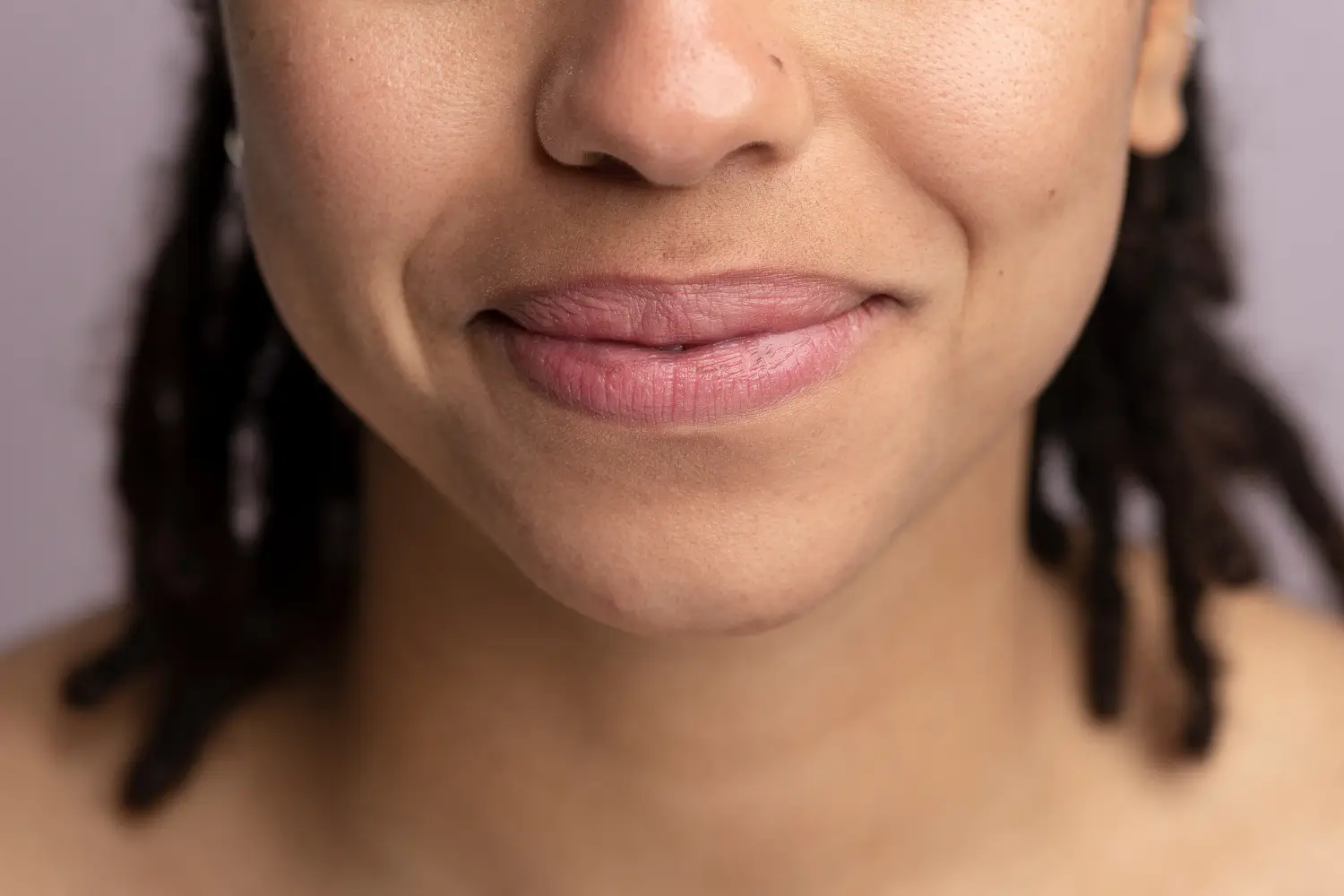
Marionette lines, the wrinkles that extend from the corners of the mouth to the chin, are often caused by aging and the natural loss of collagen and elastin in the skin. Factors like sun exposure, smoking, and repeated facial expressions can accelerate their formation, making the lower face appear aged or tired.
PDO threads offer a minimally invasive solution to smooth marionette lines and rejuvenate the lower face. This non-surgical treatment provides gradual yet noticeable results by stimulating collagen production and lifting sagging skin, making it a popular alternative to traditional facelifts.
This article explores how PDO threads marionette lines treatments may help improve lower-face contours, the potential benefits, and what patients can expect during the procedure. Practices that buy PDO Threads wholesale may browse Direct Doctor Supply to compare thread types based on their intended use, structure, and placement within soft tissue.
Key Takeaways
- PDO threads offer a non-surgical solution for smoothing marionette lines by lifting sagging skin and stimulating collagen production.
- This minimally invasive PDO threads marionette lines provides both immediate results and long-term improvements, with effects typically lasting 18–24 months.
- Ideal candidates are individuals aged 30–60 with mild to moderate skin sagging who prefer a non-surgical option with minimal downtime.
- Proper planning, skilled execution, and adherence to post-treatment care significantly reduce risks and enhance treatment outcomes.
- PDO threads are versatile, addressing various facial concerns, including marionette lines, jawline contouring, and lip enhancement.
About: Trusted by over 2,000+ global clients since 2014, Direct Doctor Supply has become a leading supplier of cosmetic, skincare, and orthopedic products for medical and aesthetic professionals. Direct Doctor Supply offers a wide range of authentic brand-name products at competitive wholesale prices, sourced from around the world.
What are Marionette Lines?
Marionette lines are vertical wrinkles or folds that run from the corners of the mouth down to the chin. These lines are named after the facial expressions of marionette puppets, as they can create a downturned or sagging appearance. While primarily associated with the natural aging process, marionette lines are also influenced by a decrease in skin elasticity, volume loss, and the effects of gravity over time.

In addition to aging, lifestyle factors like prolonged sun exposure, smoking, and repetitive facial movements can contribute to the development of marionette lines. These wrinkles often give the face a tired or unhappy expression, impacting overall facial harmony and balance. Addressing marionette lines can help restore a more youthful and refreshed appearance.
Introducing PDO Threads Marionette Lines Treatment
PDO (polydioxanone) threads are absorbable medical sutures used in aesthetic procedures to support and reposition selected soft tissues. For patients considering PDO threads marionette lines treatment, the objective is generally to improve lower-face contour and address tissue descent that contributes to the appearance of folds. The extent of improvement depends on the thread design, placement technique, and individual anatomy.

The benefits of using PDO threads for marionette lines include their minimally invasive nature, quick recovery, and natural-looking outcomes. Unlike surgical options, PDO threads offer a more subtle transformation without extensive downtime, making them an appealing choice for those seeking gradual yet noticeable improvements.
In addition to treating marionette lines, PDO threads are highly versatile and can address other facial concerns, such as contouring the jawline or enhancing lip definition. For example, PDO threads for lips can create a subtle lift while improving the skin’s texture and volume. This adaptability makes PDO threads a valuable option for comprehensive facial rejuvenation tailored to individual needs.
The Procedure of PDO Threads Marionette Lines
Before the procedure, patients undergo a thorough consultation to discuss their goals and ensure they are suitable candidates for PDO thread treatment. The practitioner cleanses the treatment area and applies a topical anesthetic or local anesthesia to minimize discomfort during the procedure.

To reduce the risk of bruising, patients are typically advised to avoid alcohol, anti-inflammatory medications, and blood thinners in the days leading up to the treatment.
During the procedure, PDO threads are carefully inserted into the skin using fine needles or cannulas. The threads are placed strategically along the marionette lines and surrounding areas to lift sagging skin and provide structural support.
Practitioners align the threads with the skin’s natural tension lines to ensure a smooth, natural-looking result. The number and type of threads used depend on the severity of the lines and the patient’s desired outcome.
- The treatment is relatively quick, lasting around 30 to 60 minutes.
- Results are often immediately visible due to the threads’ lifting effect, and further improvements appear over the following weeks as collagen production is stimulated.
Recovery time is minimal, with most patients able to resume daily activities within 24 to 48 hours. Some mild swelling, bruising, or tenderness may occur at the insertion points but typically subsides within a few days.
To optimize results, patients should avoid strenuous activities, excessive facial movements, and sleeping on their side for the first few days. Adhering to the practitioner’s post-treatment care instructions ensures the best outcomes and supports the healing process.
Expected Results and Patient Suitability
PDO thread lifting for marionette lines provides both immediate and long-term benefits. Patients can notice an initial lift and skin tightening right after the procedure, with optimal results developing over 6 months as collagen production increases. The effects are long-lasting, typically lasting 18 to 24 months, as the newly formed collagen continues to support the skin.
For patients evaluating PDO threads marionette lines treatment, expectations should reflect the underlying cause of the folds. Patients with mild tissue laxity may be more suitable than those with pronounced jowling, substantial volume loss, or deep, fixed creases. Other treatments may be more appropriate when volume restoration or more extensive lifting is the primary objective.
This treatment is ideal for individuals aged 30 to 60 experiencing mild to moderate skin sagging, particularly around the mouth. It’s especially suited for those seeking a non-surgical option with minimal downtime. However, achieving the best outcomes depends on factors such as skin type, age, and adherence to aftercare guidelines.
Patients should maintain realistic expectations and understand that results vary from person to person. A consultation with a skilled provider is essential to determine suitability and set achievable goals for the procedure.
Managing Risks and Complications
While PDO thread treatments are minimally invasive and generally safe, proper planning and technique are essential to minimize risks and complications. To start, selecting a qualified and experienced practitioner significantly reduces the likelihood of issues such as thread misplacement or asymmetry. Practitioners should thoroughly assess the patient’s medical history, skin condition, and aesthetic goals to create a personalized treatment plan.
During the procedure, strict hygiene and the use of high-quality threads ensure safety and effectiveness. Proper thread placement is key to preventing complications such as thread migration, dimpling, or uneven results. Practitioners must use the correct insertion techniques and adjust thread tension carefully for optimal outcomes.
Post-treatment care also plays a critical role in minimizing risks. For the first few days after the procedure, patients should avoid strenuous activities, excessive facial movements, and direct sun exposure. Addressing common side effects such as mild swelling or bruising with cold compresses or prescribed remedies can help expedite recovery.
If complications such as prolonged redness, pain, or infection occur, patients should contact their provider immediately for evaluation and treatment.
2026 Study Update
A report in Plastic and Reconstructive Surgery highlights how a more anatomy-focused approach may influence the results of PDO thread lifting. The authors described a technique performed in 83 patients that uses molded PDO threads to engage specific facial support structures, including the zygomatico-cutaneous ligaments and buccal fat complex, with firm anchoring intended to improve midface and lower-face elevation. They reported favorable aesthetic outcomes and minimal complications, although the abstract does not provide detailed numerical outcome measures or a comparison group [3].
For PDO threads marionette lines, the findings are relevant because sagging around the mouth can be influenced by changes in facial support and lower-face tissue position, not just the crease itself. Still, the study does not establish that this particular technique directly corrects marionette lines or that PDO threads will work equally well for every patient. Individual anatomy, thread placement, and the degree of tissue laxity remain important considerations when assessing likely results.
Conclusion
PDO threads may offer a minimally invasive option for improving selected cases of marionette lines and lower-face laxity. By providing mechanical support and potentially stimulating tissue remodeling, they can contribute to changes in facial contour. However, the extent and duration of improvement vary, and the treatment may not adequately address deep folds caused primarily by volume loss or substantial tissue descent.
Successful PDO threads marionette lines treatment depends on appropriate patient selection, careful anatomical assessment, suitable thread placement, and realistic expectations. Patients should consult a qualified medical professional to determine whether thread lifting or another treatment approach best addresses their concerns.
FAQs
1. What are PDO threads?
PDO threads are dissolvable sutures made from polydioxanone, used to lift and tighten the skin.
2. How do PDO threads work?
They stimulate collagen production, which helps to rejuvenate and tighten the skin.
3. Who is an ideal candidate for PDO thread lifting?
Ideal candidates are adults aged 30-60 with mild to moderate skin sagging and desiring non-surgical facial rejuvenation.
4. Can PDO threads lift sagging skin permanently?
PDO threads provide a long-term improvement but are not permanent. Patients may need periodic or maintenance treatments to retain optimal results.
Citations
[1] Hong, Gi‐Woong, et al. “Why Do Marionette Lines Appear? Exploring the Anatomical Perspectives and Role of Thread‐based Interventions.” Skin Research and Technology, vol. 30, no. 4, Apr. 2024, p. e13676. https://doi.org/10.1111/srt.13676.
[2] Niu, Zehao, et al. “A Meta-Analysis and Systematic Review of the Incidences of Complications Following Facial Thread-Lifting.” Aesthetic Plastic Surgery, vol. 45, no. 5, Apr. 2021, pp. 2148–58. https://doi.org/10.1007/s00266-021-02256-w.
[3] Yu, Arthur Y., and Lee L. Q. Pu. “Polydioxanone (PDO) Thread Lift for Face: A Novel Anatomical Approach.” Plastic & Reconstructive Surgery, Jan. 2026, https://doi.org/10.1097/prs.0000000000012812.
Sourcing and accuracy for this article follow our Editorial policy: claims are cross-checked against clinical literature, regulatory filings, and manufacturer specifications before anything is published